


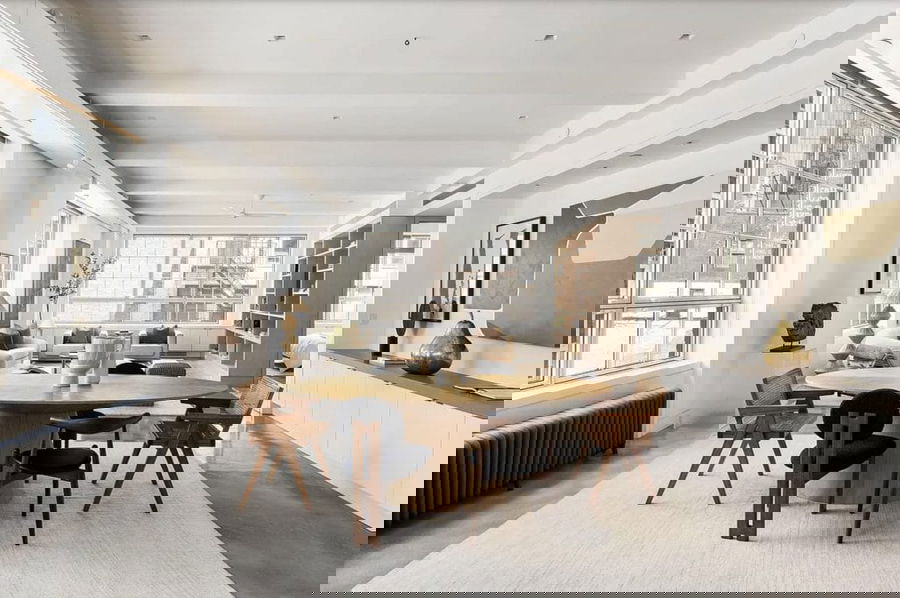
Artificial intelligence is revolutionizing how we design, style, and visualize interiors. From room makeovers to personalized furniture recommendations, the latest AI trends are giving designers and homeowners alike powerful new tools. Let’s check out the top AI interior design trends shaping 2026.
AI Room Restyling: Turn One Photo Into a Designer-Level Makeover
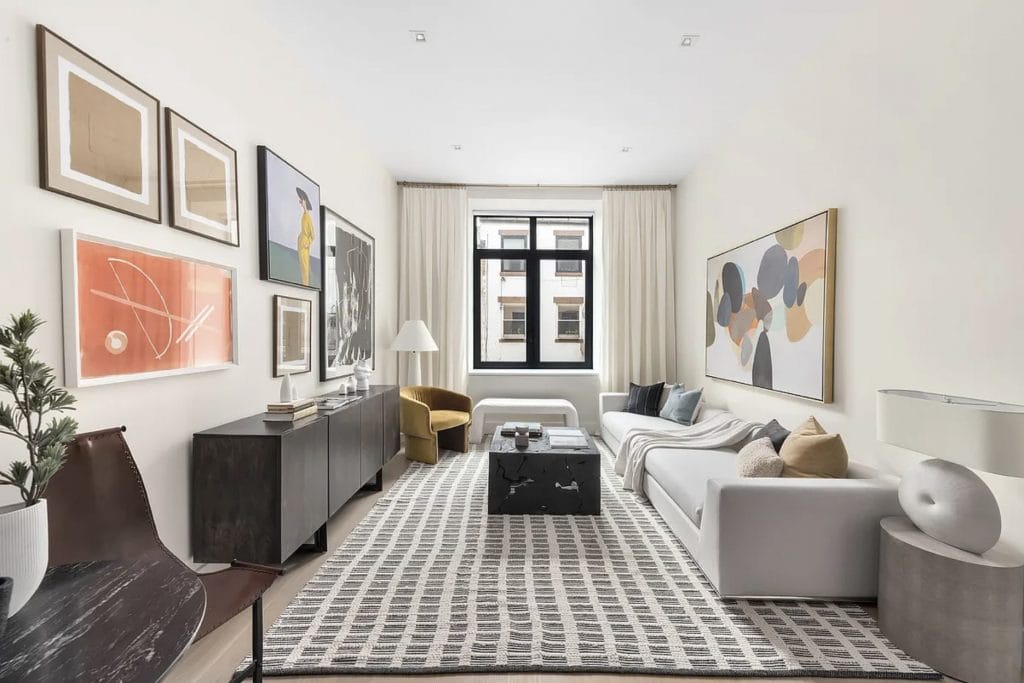
AI room restyling tools allow users to upload a photo of a room and instantly visualize a redesigned space. They offer a low-friction way to test ideas, explore different design styles, furniture arrangements, and color schemes without committing to a full makeover. They are fast and budget-friendly, which makes them useful for testing ideas early in the design process.
Pro Tip: Wondering what to look for in AI interior design trends to make the results you’ll like? Try our Free Interior Design Style Quiz to discover your ideal style today!
While unable to offer anything close to final design maps, this type of AI interior design trends acts as an iterative sketchpad—adjustable, disposable, and efficient. Exact measurements or detailed product info are rarely featured, so it’s better suited for rough concepts than finished plans.
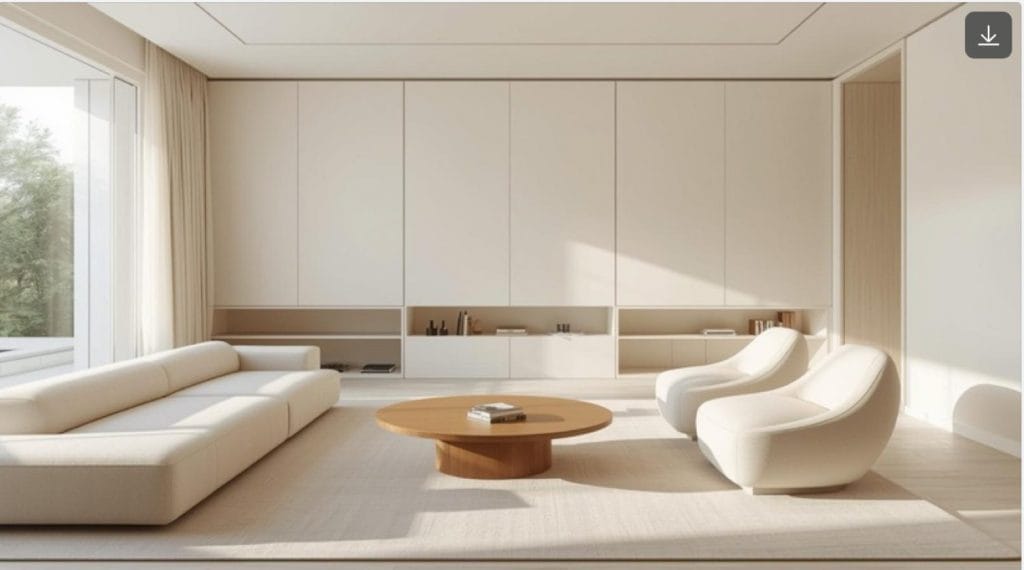
- Best for: Quickly transforming a single room photo into a polished, professionally designed space.
- Why it’s trending: You can upload a photo and instantly see a revamped version with new furniture, colors, and decor choices. This is great for homeowners and designers seeking fresh concepts or inspiration before committing to full-scale redesigns.
- Key Benefits: Saves time, enhances client engagement, boosts design exploration.
- Limitations: Doesn’t always offer precise measurements or product details; thus, good for concept exploration but not real redesigns.
- Use case examples: Canva AI, REimagineHome.
Virtual Staging in 2026: Faster, Cheaper—And More Realistic With AI
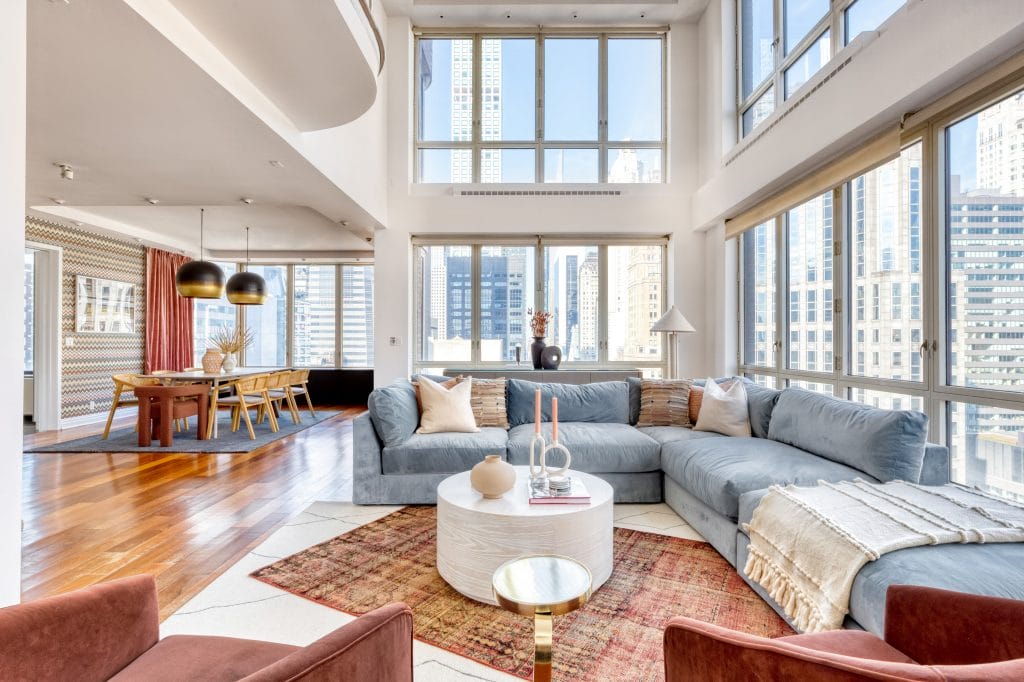
Virtual staging uses AI interior design to place furniture and decor into real estate photos, creating a polished, attractive look for listings. It can improve engagement by showing the space’s potential. In addition, it cuts down on the cost and time needed for traditional staging and makes it easy to update images as needed.
This approach works well for many listings, especially when speed and flexibility matter. For higher-end properties, however, virtual staging may fall short if buyers expect photos that accurately represent the space.
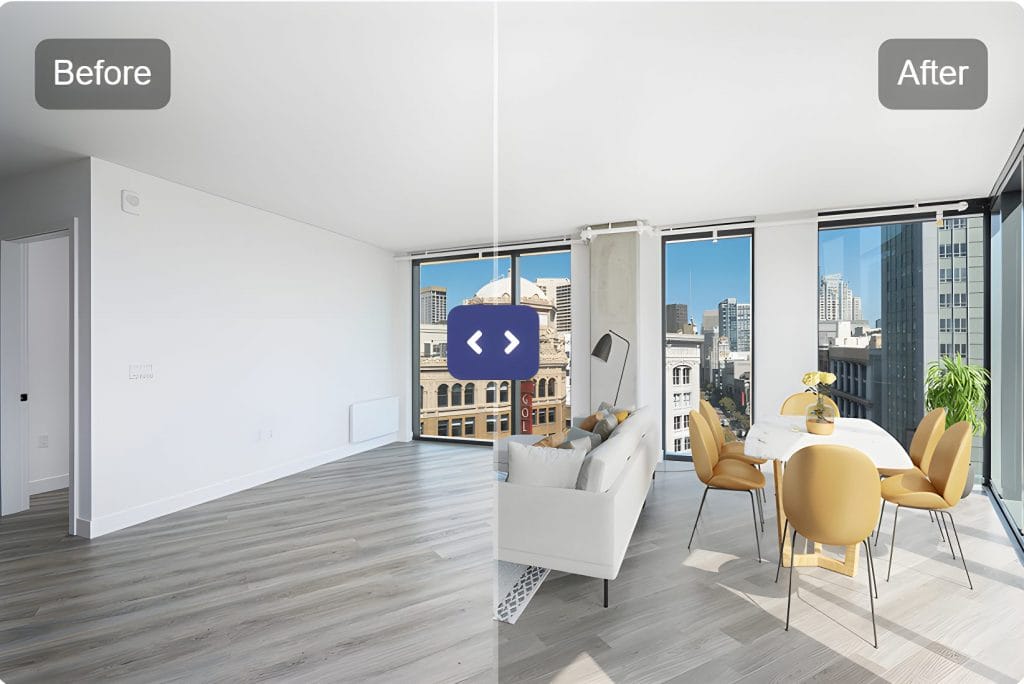
- Best for: Real estate listings, rentals, and design projects that need a cost-effective solution for staged visuals.
- Why it’s trending: AI has significantly reduced the costs of virtual staging, allowing real estate agents and designers to showcase homes without the need for physical furniture and decor.
- Key Benefits: Reduced staging costs, faster turnaround, better client engagement.
- Limitations: Image quality can vary; may not be suitable for luxury properties requiring true-to-life representation.
- Use case examples: Virtual Staging Solutions, Homestyler AI.
Multimodal Co-Design: AI That Sketches & Renders Your Space
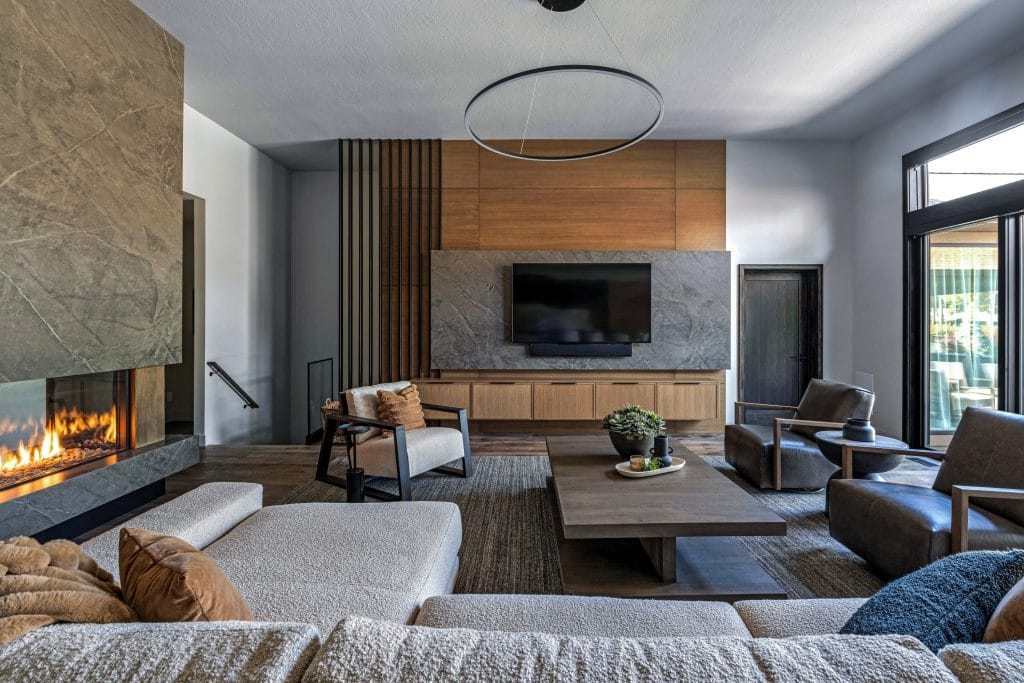
AI interior design trends are big on multimodal co-design tools, which use AI to let designers work with the system in real time. A user can type a prompt, and the AI quickly responds with sketches or rendered images. This technology also empowers designers to ideate quickly.
It helps speed up the creative process, especially when the clients require changes during reviews. Adjustments can be made on the fly based on the feedback. However, even with these fast results, designers still need to guide the work to make sure the design stays accurate and consistent.
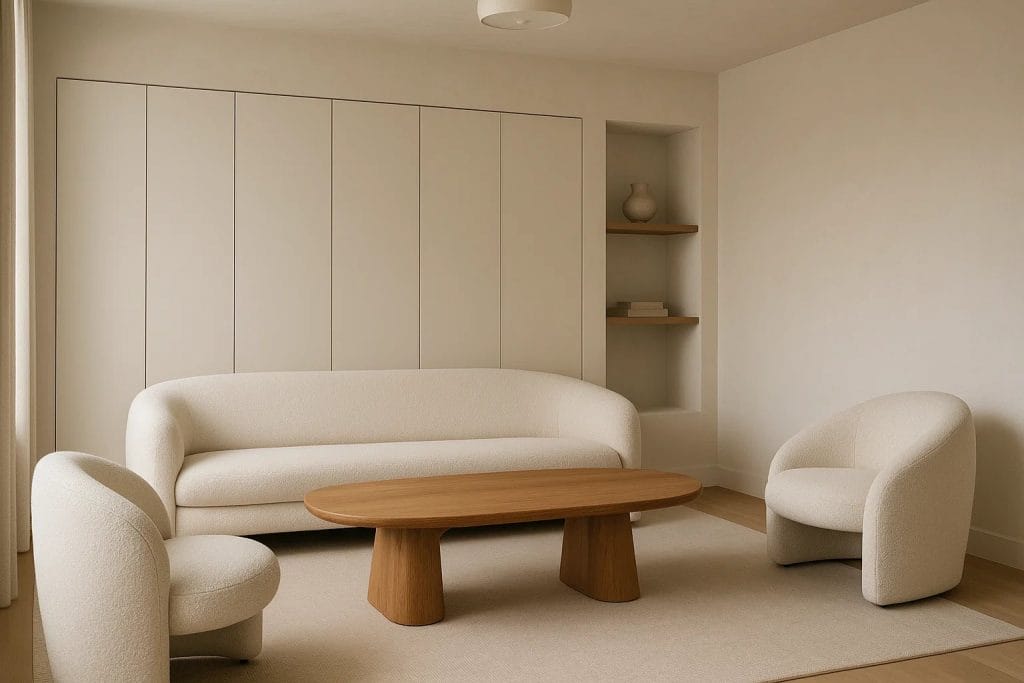
- Best for: Designers seeking to brainstorm and visualize ideas in real-time.
- Why it’s trending: Using tools like GPT-4o and AI-driven platforms like Veras, interior designers can now have a back-and-forth with an AI that sketches, renders, and refines design ideas based on textual prompts.
- Key Benefits: Rapid ideation, real-time design iteration, enhanced creativity.
- Limitations: AI still needs human input for technical aspects like spatial planning and material specs.
- Use case examples: Autodesk Forma, GPT-4o for design ideation.
AI Space Planning: Smarter Layouts, Fewer Revisions
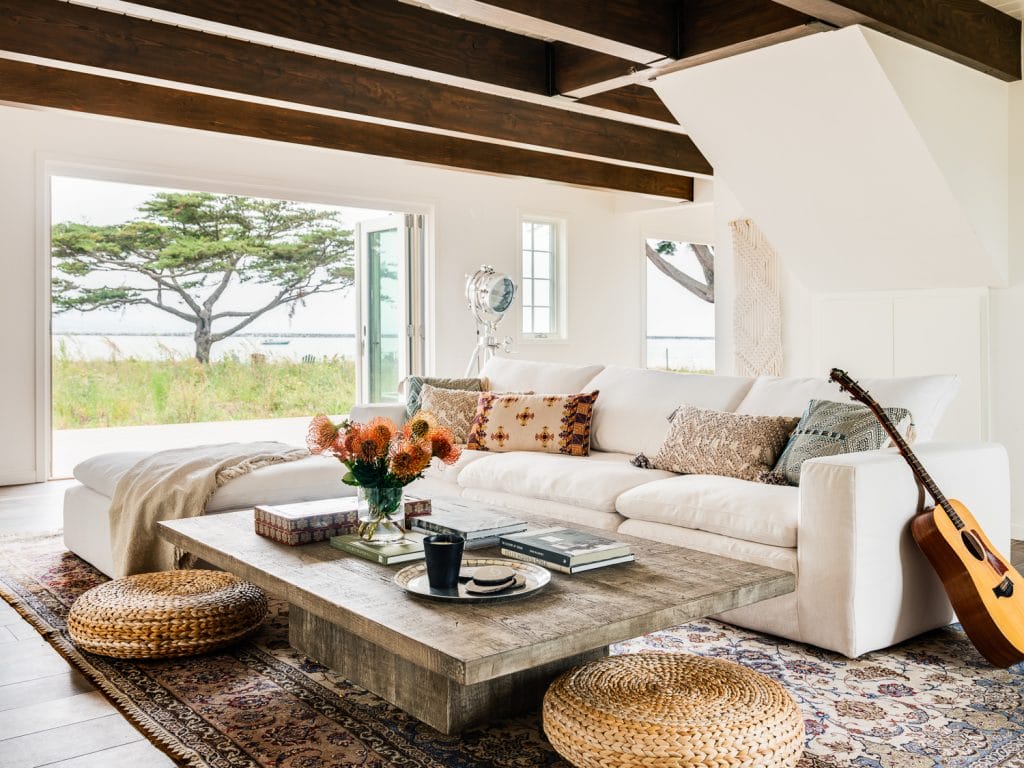
AI space planning tools analyze a room’s dimensions and generate optimal furniture layouts, considering factors like flow and functionality. These tools streamline the layout design process, reducing the time spent on revisions and improving space efficiency.
As with the other AI interior design trending tools—while it can suggest layouts, human designers are still essential for customizing the design to fit unique needs.
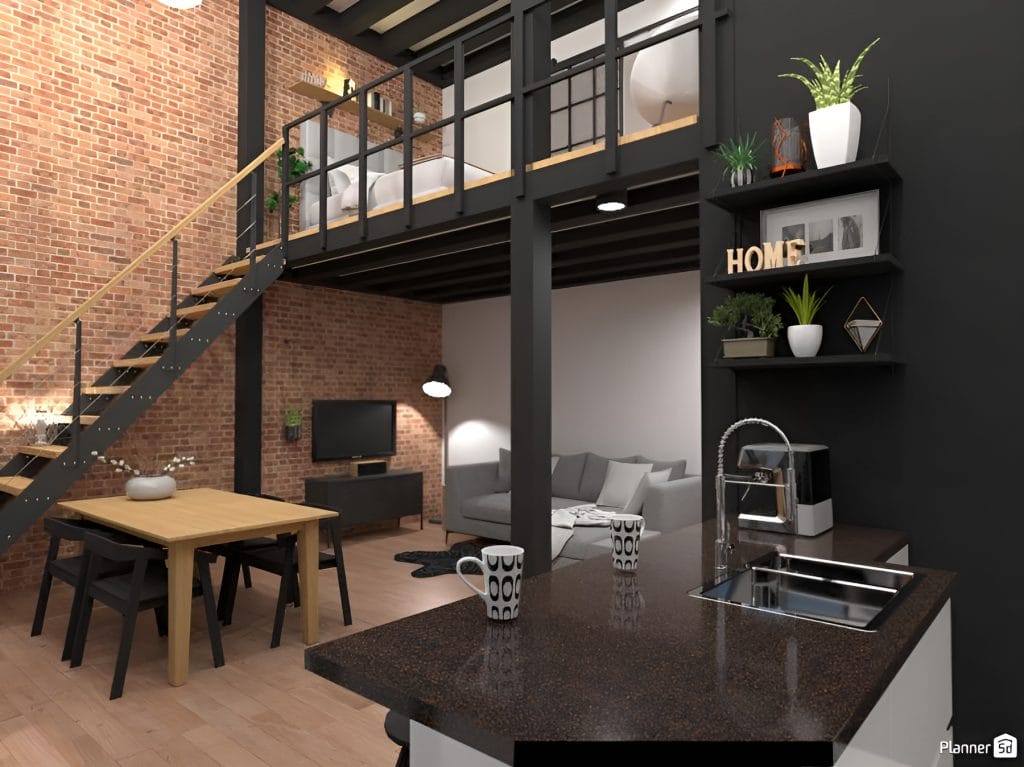
- Best for: Optimizing furniture layout, spatial flow, and functionality.
- Why it’s trending: AI tools like Planner 5D and GetFloorPlan generate automated space layouts, helping designers and clients visualize optimal use of space with fewer revisions.
- Key Benefits: Faster planning, optimized space usage, better design flow.
- Limitations: Can lack customization for very unique spaces or styles.
- Use case examples: GetFloorPlan, Planner 5D.
AI Mood Boards That Nail Client Style
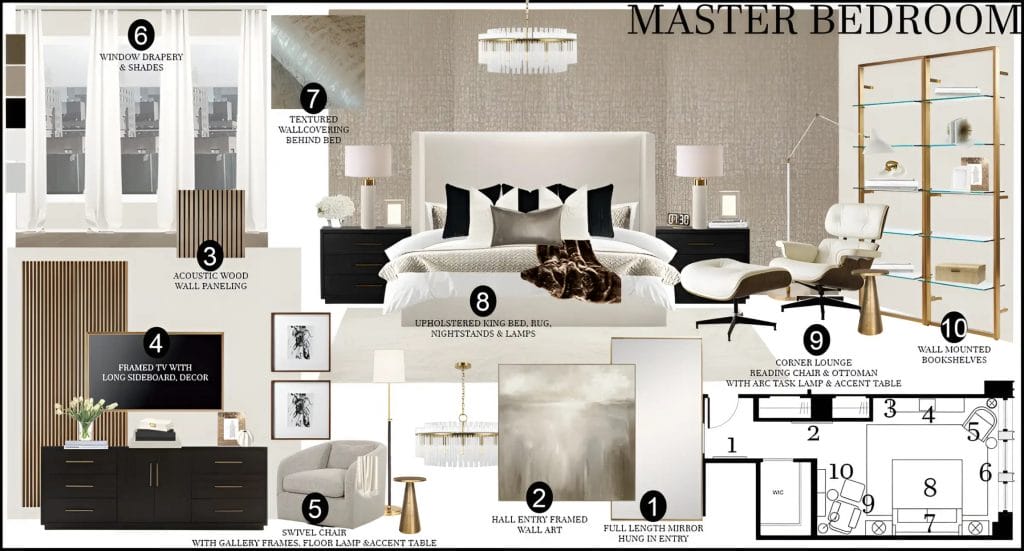
AI-powered mood board tools create style boards automatically based on inputs like preferred colors and design styles. They help speed up the early concept phase and make it easier to align on a clear visual direction.
This can simplify client approvals and keep the design process moving. Still, the results may miss subtle client preferences, so designers often need to adjust the boards to get the tone just right.
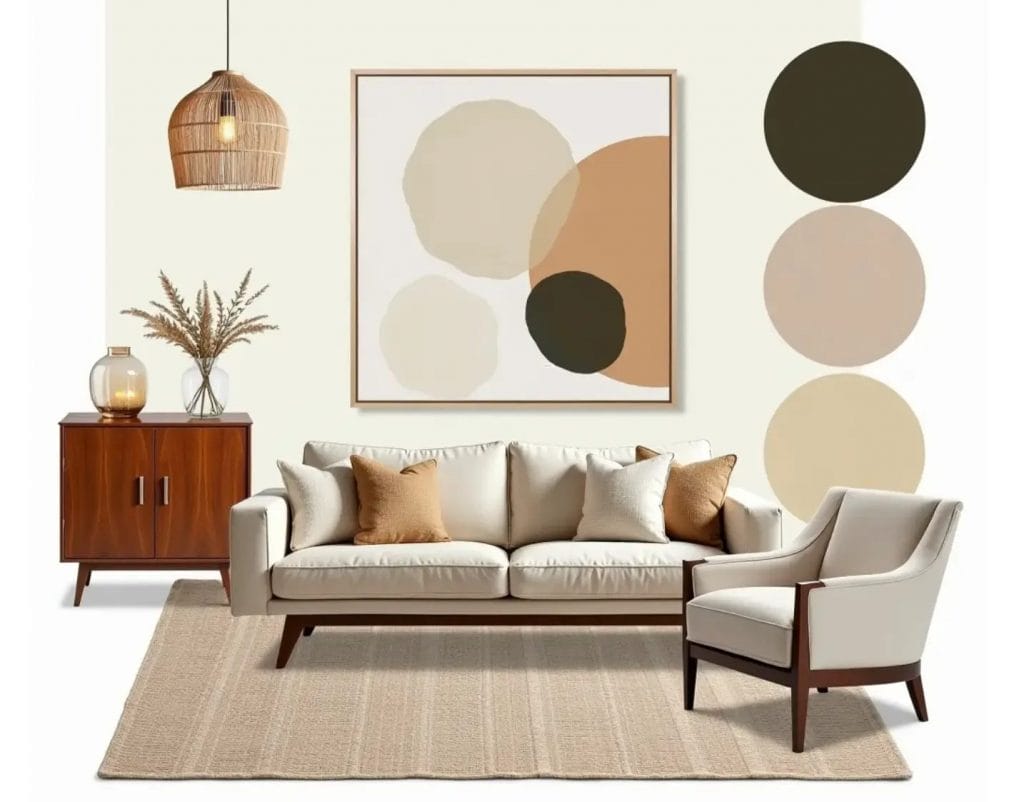
- Best for: Creating personalized mood boards that reflect the client’s style preferences.
- Why it’s trending: AI tools can now generate mood boards based on user inputs, including style preferences and color choices, streamlining the approval process.
- Key Benefits: Personalization at scale, quicker approval times, enhanced client engagement.
- Limitations: AI might not always capture the nuanced preferences of clients, requiring some fine-tuning by the designer.
- Use case examples: Canva Pro, Moodboard.AI.
AI Color Palettes for Interiors: Schemes, Finish Pairings & Light Tests
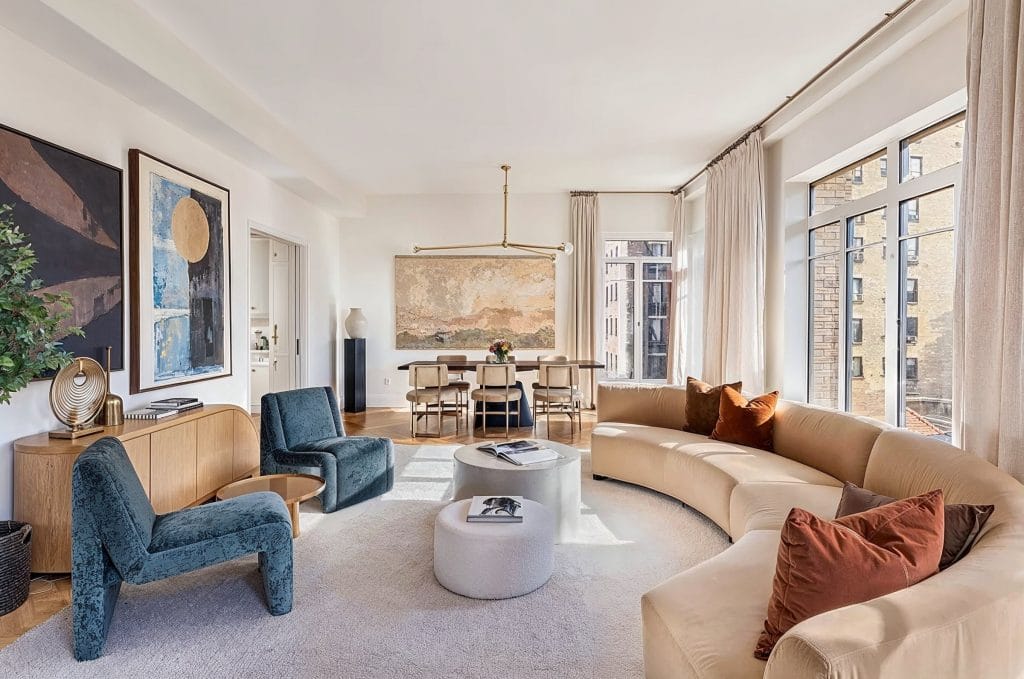
Color palette generators are becoming more significant among AI interior design trends. They suggest color combinations that fit the room’s lighting, furniture, and other features.
Designers can explore options quickly by showing how different colors look under various lighting conditions, which speeds up the process of finding a strong color direction. Even so, designers still need to adjust the results based on personal style and specific details like wall texture or flooring materials.
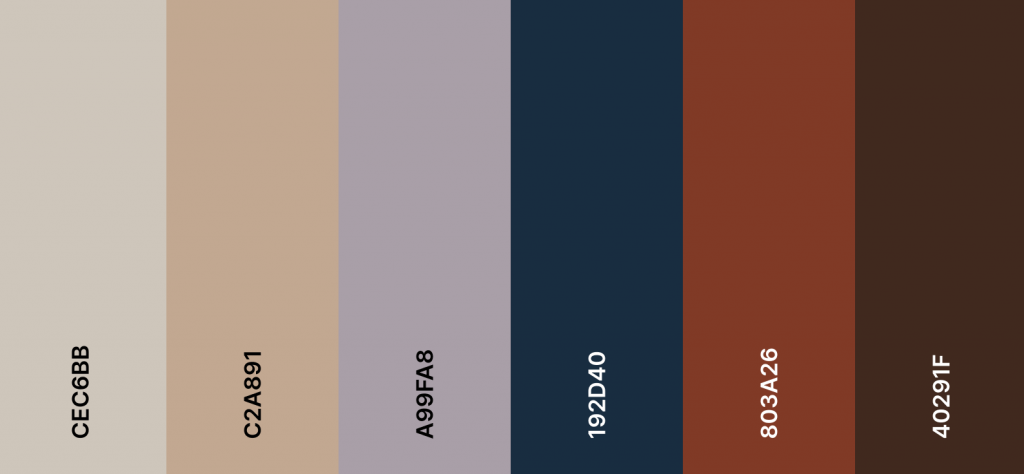
- Best for: Selecting complementary colors and material finishes based on lighting and space requirements.
- Why it’s trending: AI tools analyze photos and provide color scheme suggestions based on user preferences and space lighting.
- Key Benefits: Helps with accurate color pairing, matches finishes, tests colors in different lighting.
- Limitations: Needs human input for adjustments based on real-world conditions.
- Use case examples: Coolors, Khroma.
AI Lighting Design: Circadian-Friendly Scenes for Healthier Homes
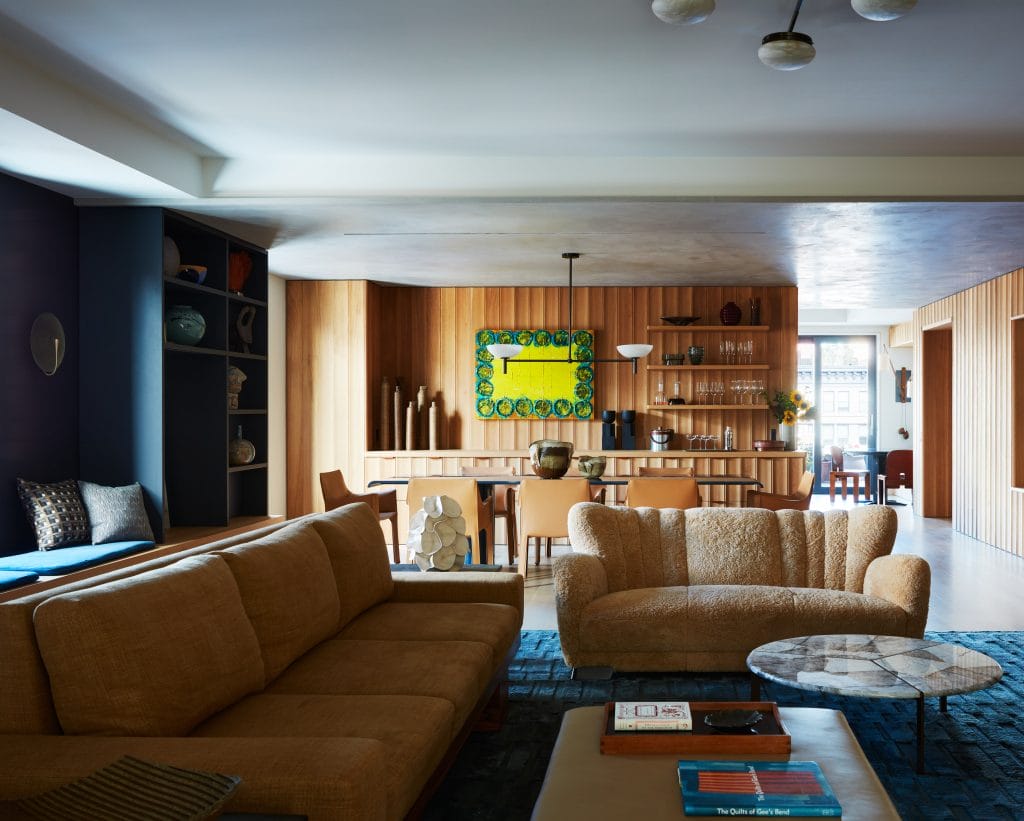
AI lighting design tools simulate lighting conditions for different times of day or tasks, optimizing for both ambiance and energy efficiency. These tools create lighting plans that enhance the room’s function and mood, making homes feel more comfortable.
On the downside, they still require fine-tuning to accommodate specific fixtures, dimming needs, or unusual room shapes.
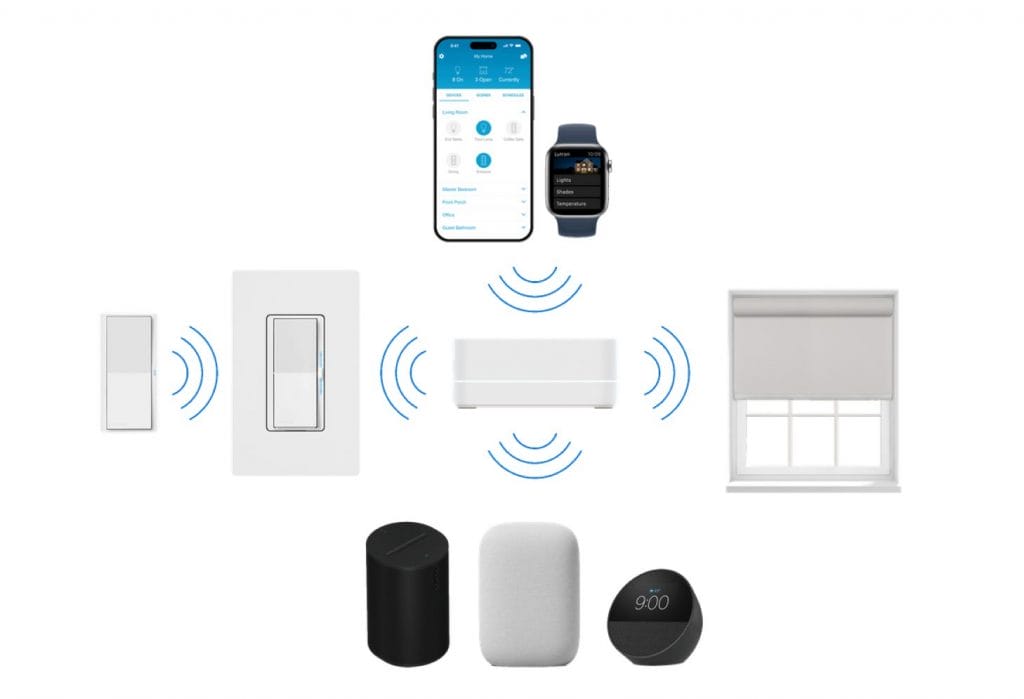
- Best for: Designing lighting schemes that adapt to daily cycles and moods.
- Why it’s trending: AI tools create lighting scenes that match circadian rhythms, optimizing comfort and energy use.
- Key Benefits: Health-focused lighting, improved ambiance, energy savings.
- Limitations: Not every room will benefit from the same lighting scheme; some customization is still needed.
- Use case examples: Lutron Caseta, Circadian AI lighting systems.
Try Before You Buy: AR + AI Make Sizing & Style a Sure Thing
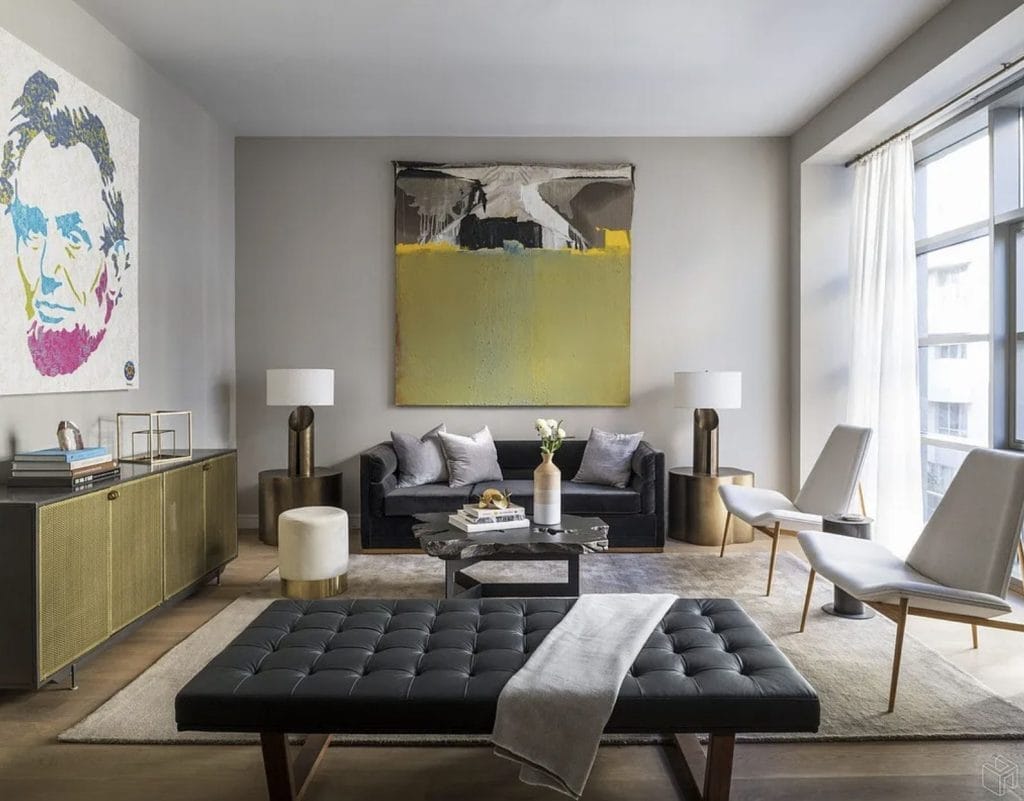
AR and AI furniture try-on tools let you see how furniture would look in your own rooms by placing 3D models into the space using a phone or tablet. This makes it easier to check if the size and style of a piece work before buying, which can help avoid returns.
It’s a useful way to test out options in context. To work well, though, the tool needs clear photos and may have trouble with rooms that have unusual layouts or angles.
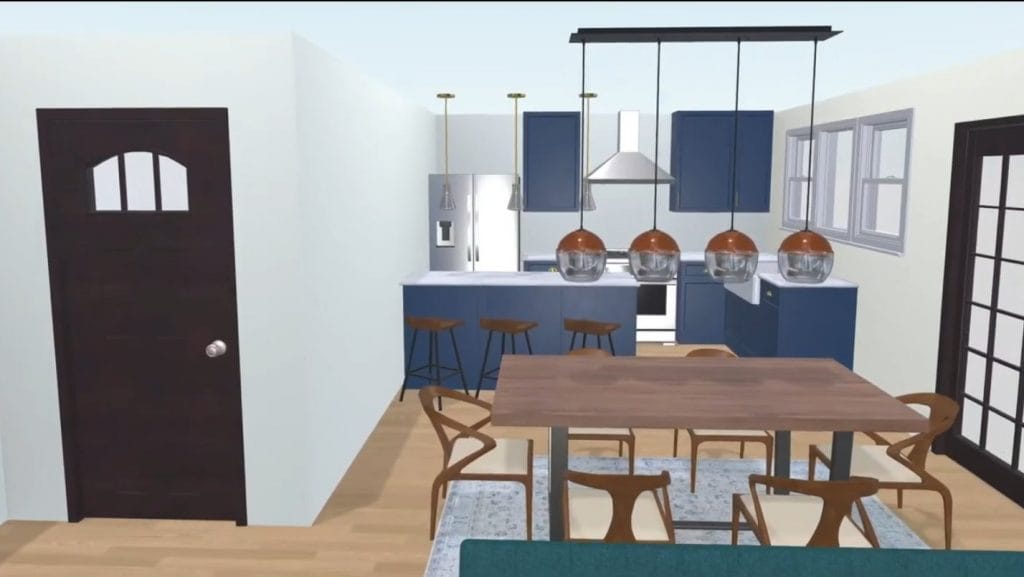
- Best for: Allowing customers to virtually try furniture and decor before committing to a purchase.
- Why it’s trending: Augmented reality (AR) combined with AI helps consumers visualize furniture in their actual space in real-time.
- Key Benefits: Increased confidence in purchases, reduces returns, faster decision-making.
- Limitations: Requires good-quality photos or measurements for accuracy.
- Use case examples: IKEA Place, Houzz Pro AR.
Sustainable Design with AI: Spec Smarter, Cut Waste & Costs
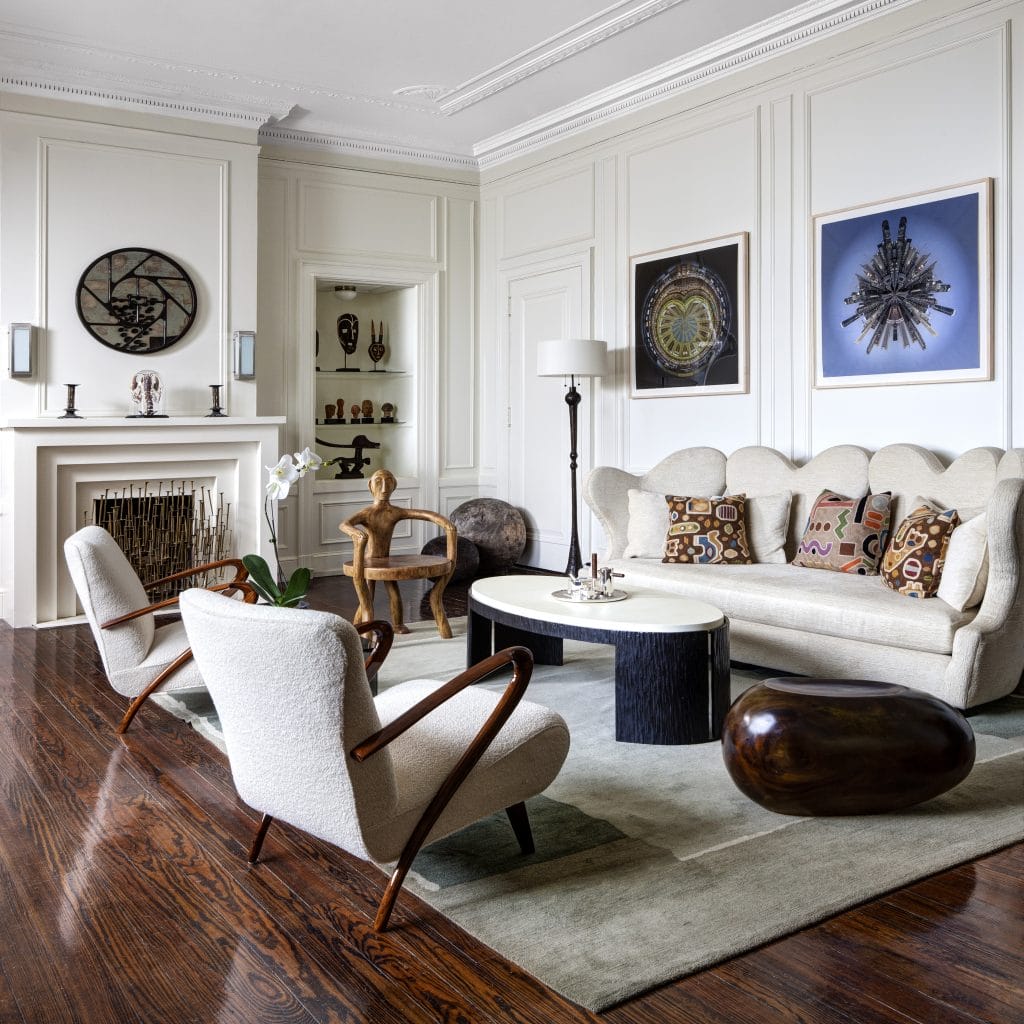
This is one of the AI interior design trends particularly useful in creating environmentally-conscious interiors, balancing sustainability with aesthetics. AI tools in sustainable design help optimize material selections, reduce waste, and lower energy consumption by recommending eco-friendly alternatives and efficient layouts.
What’s good to know is that AI’s recommendations still depend on the data provided, requiring constant updates and a focus on new sustainable materials.
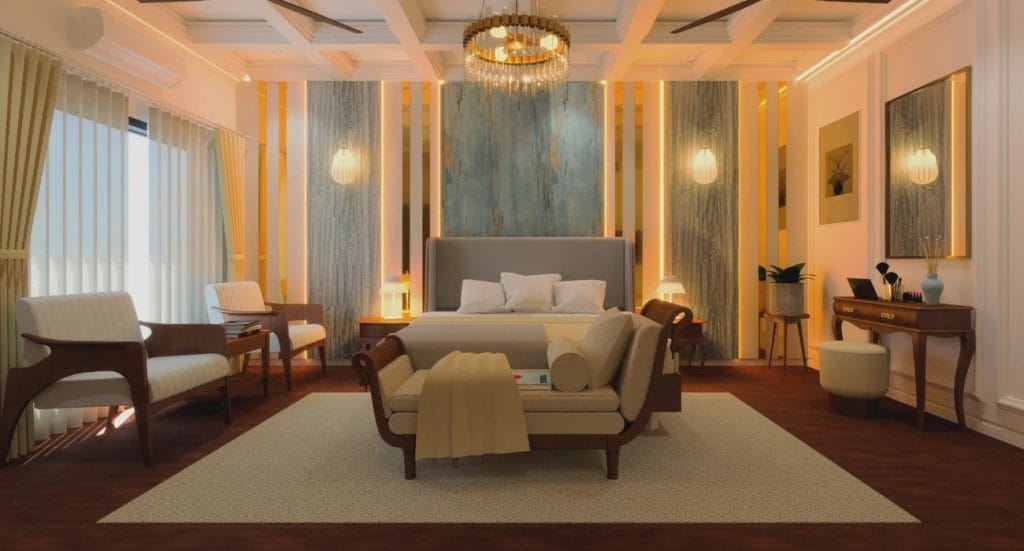
- Best for: Minimizing environmental impact by choosing sustainable materials and optimizing space planning.
- Why it’s trending: AI helps designers and homeowners optimize for sustainability by recommending eco-friendly materials, reducing waste, and managing energy usage.
- Key Benefits: Reduces carbon footprint, smarter material sourcing, cost savings.
- Limitations: Sustainability goals may vary by project; AI still needs to be programmed with eco-conscious guidelines.
- Use case examples: Autodesk Revit, sustainable material databases.
AI Furniture Shopping: Snap, Search, Shop
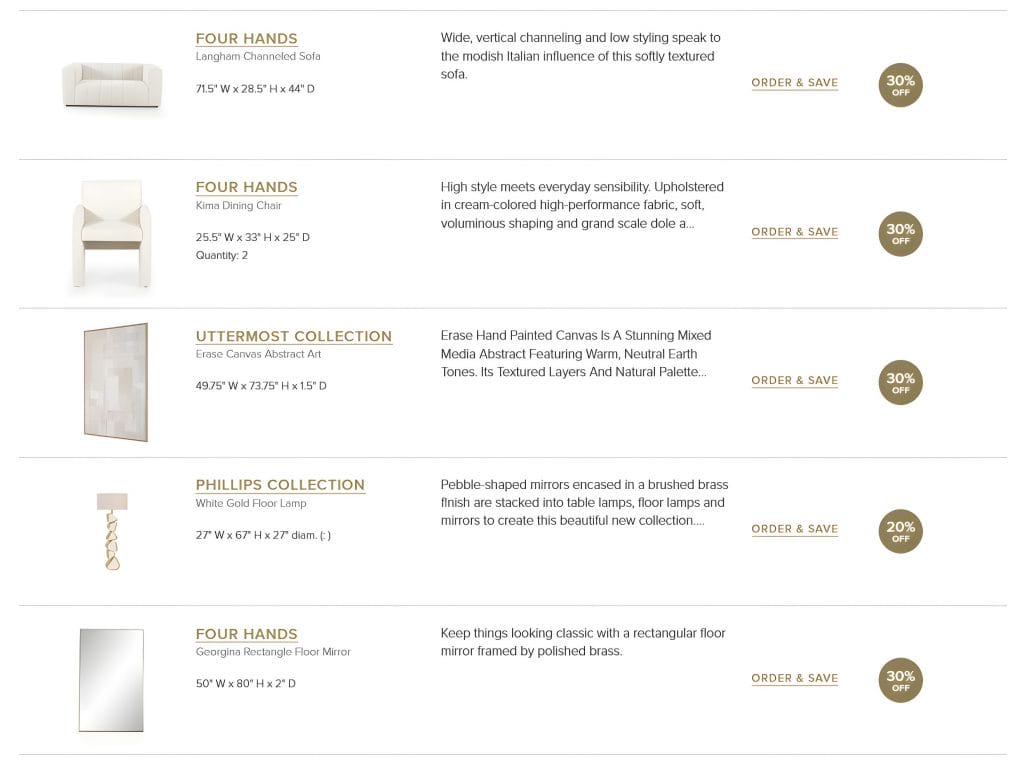
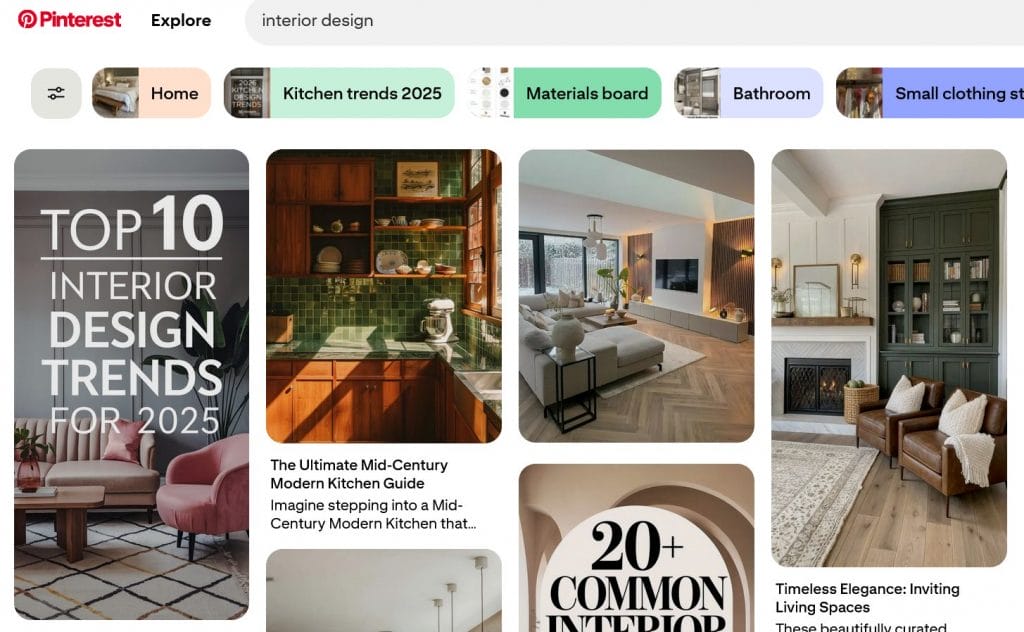
AI-powered shopping assistants and visual search tools enable users to quickly find furniture and decor items that match specific styles or ideas. It’s a quick way to move from idea to options without endless browsing.
You can upload a photo—say, a styled room or a single piece you like—and the AI searches for furniture and decor that match the look. The tool scans visual features, identifies patterns, and pulls up some similar items from online catalogs. But while the suggestions come fast, results can be limited by what’s in stock or how well different vendors label and classify their products.
- Best for: Quickly finding furniture that matches inspiration photos.
- Why it’s trending: Visual search tools help designers and clients find similar pieces from large product catalogs, speeding up the sourcing process.
- Key Benefits: Faster sourcing, personalized recommendations, enhanced shopping experience.
- Limitations: Product availability and stock can fluctuate; AI can only recommend within current catalog listings.
- Use case examples: Pinterest Lens, Syte.
Accessibility by Design: AI Checks Clearances, Heights & Safety
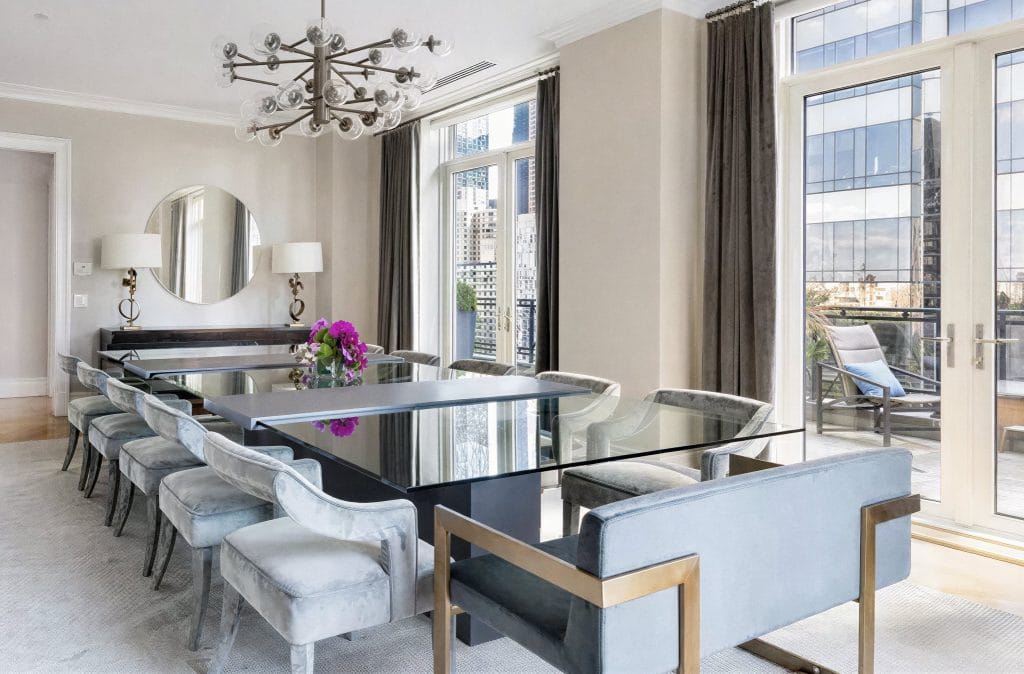
AI tools for accessible design automatically check for clearances, heights, and safety standards, ensuring that a space meets universal design principles. These tools help designers quickly identify areas that need adjustment to comply with accessibility regulations, making spaces more inclusive.
Be carful here: AI can make mistakes. Its understanding of complex regulatory guidelines might need manual review to ensure full compliance.
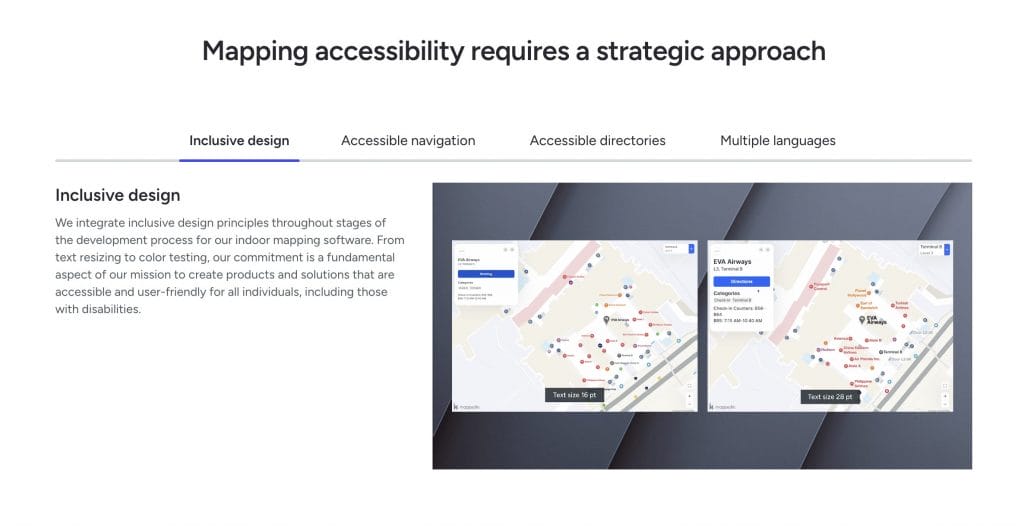
- Best for: Designing spaces that are compliant with accessibility standards (ADA/UD).
- Why it’s trending: AI checks the accessibility of designs, suggesting adjustments for clearance, height, and safety requirements to meet universal design standards.
- Key Benefits: Ensures compliance, enhances inclusivity, saves time on manual reviews.
- Limitations: Needs accurate room measurements and contextual knowledge for specific regulations.
- Use case examples: ADA Compliance AI tools.
Digital Twins for Interiors: Predictive Interiors with AI
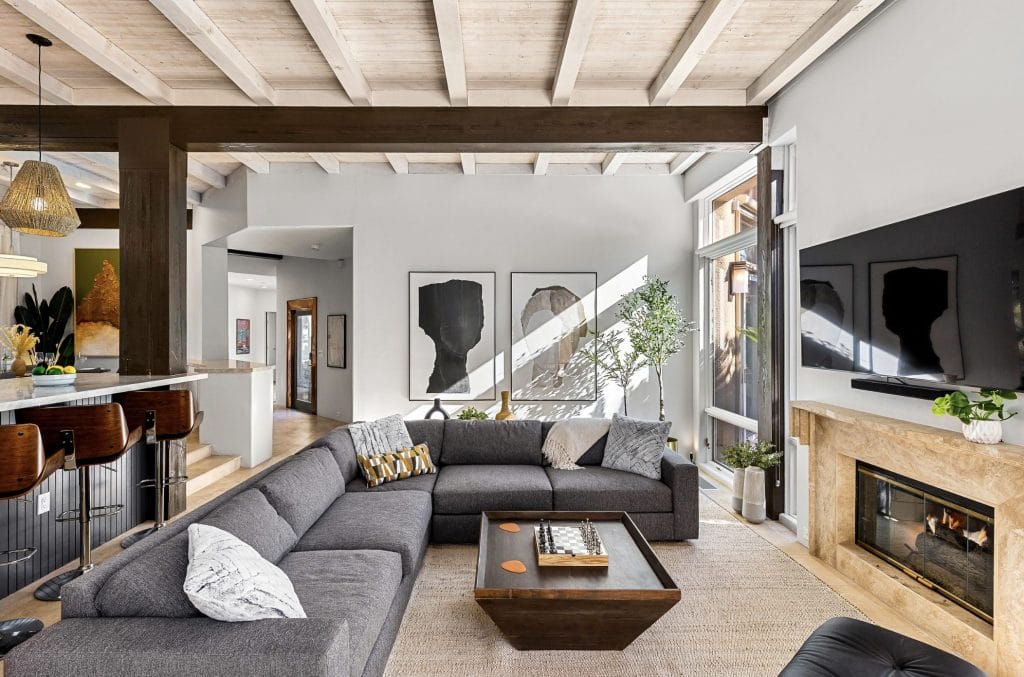
Digital twin technology creates a virtual replica of a physical space. This is another one of the numerous AI interior design trends that you or your designers can employ to test different design options in a virtual environment before making changes in the real world.
Some applications can also anticipate energy consumption, maintenance needs, and overall functionality. That requires detailed input data and significant upfront investment in creating the digital model.
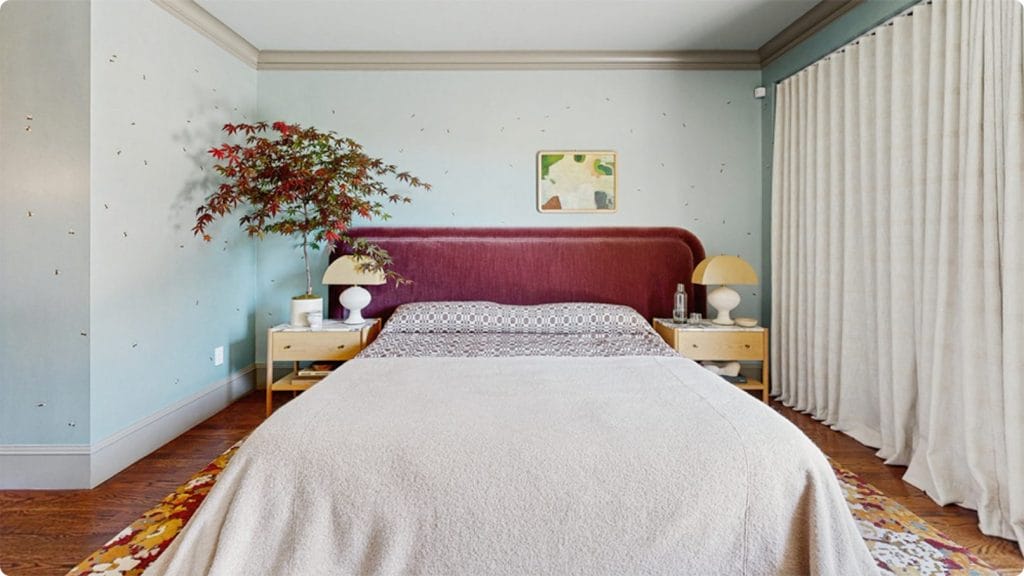
- Best for: Using AI to model, test, and optimize space layouts and designs in real-time.
- Why it’s trending: Digital twins allow designers to test different design options in a virtual environment before making changes in the real world.
- Key Benefits: Predictive testing of designs, energy consumption modeling, maintenance forecasting.
- Limitations: High initial setup costs and the need for accurate real-world data.
- Use case examples: Matterport, Autodesk Forma.
AI-Assisted Renovation Scopes
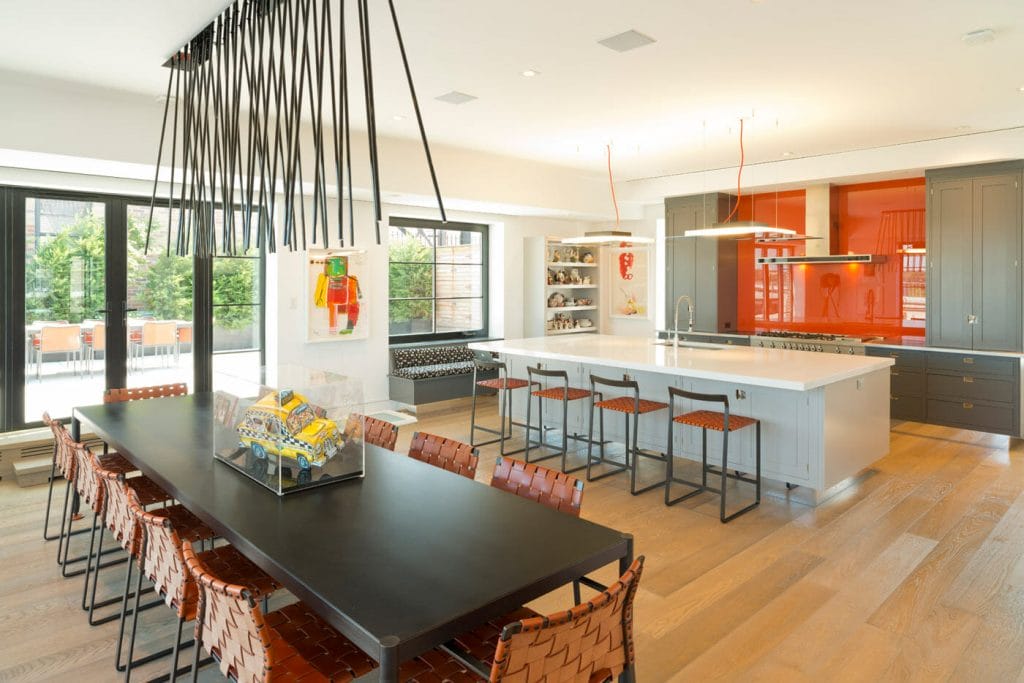
AI tools for renovation scope and cost estimation automate the process of generating project budgets, timelines, and potential phasing, based on available data. These tools can help designers and homeowners quickly get a sense of the project’s scope and costs.
AI estimates typically need further refinement as they can lack detailed insight into labor costs and unpredictable material prices.
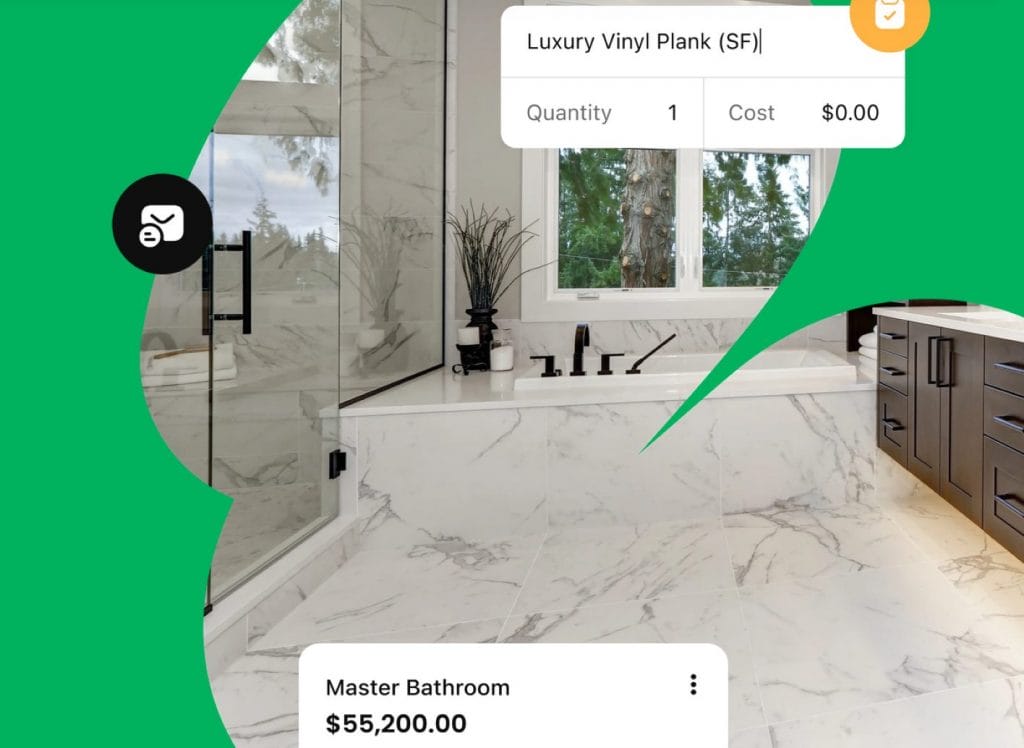
- Best for: Automating the process of generating project budgets, timelines, and potential phasing.
- Why it’s trending: AI tools help homeowners and designers quickly get a sense of the project’s scope and costs, offering early rough-order-of-magnitude (ROM) budgets and option A/B tests.
- Key Benefits: Faster estimation, smarter budgeting, better understanding of project phases.
- Limitations: AI estimates might need further refinement as they can lack detailed insight into labor costs and unpredictable material prices.
- Use case examples: Renovation AI tools for cost estimation.
Wellness-First Interiors
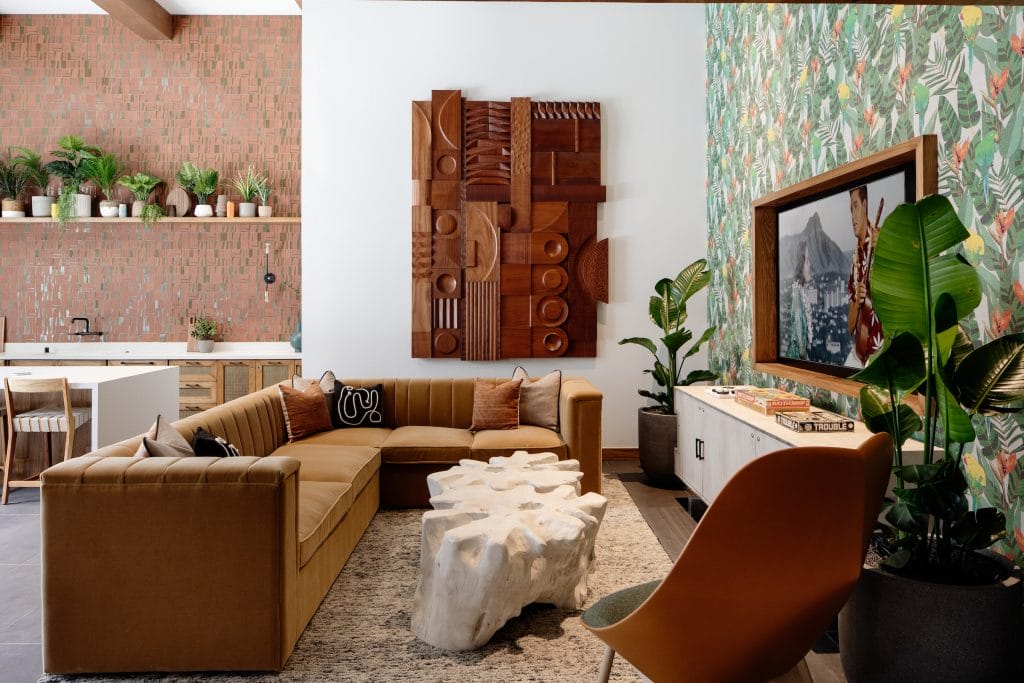
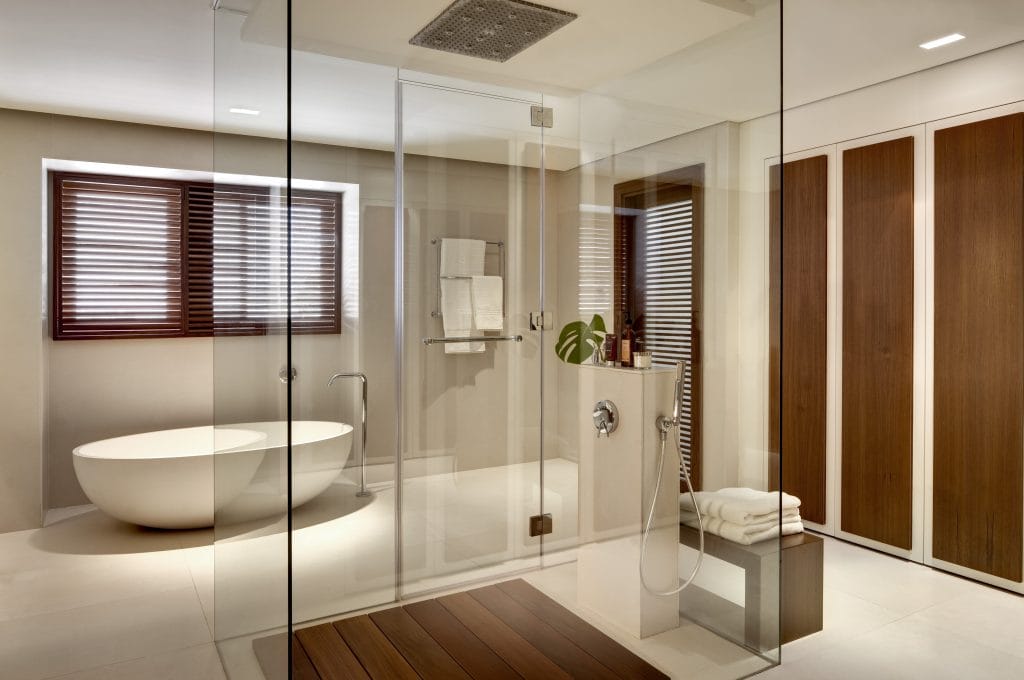
AI-driven wellness design tools mainly analyze interior conditions such as light levels or sound patterns. They map ventilation routes, areas where natural light falls, and suggest layouts that improve airflow or reduce glare.
The result is a space that aligns spatial arrangement with sensory balance, often geared toward focus or restoration. Still, individual wellness is complex, shaped by routines, sensitivities, and cultural habits, which means designers need to read the room beyond the data.
- Best for: Optimizing interior spaces for physical and mental health by considering factors like acoustics, lighting, and air quality.
- Why it’s trending: AI tools focus on creating spaces that promote calm, focus, and productivity by improving environmental factors.
- Key Benefits: Enhanced well-being, better functionality, personalized environments.
- Limitations: Creating wellness-centric spaces may require a combination of AI insights and human expertise.
- Use case examples: Wellness interior AI tools.
Hospitality & Retail Concepting with AI Storyboards
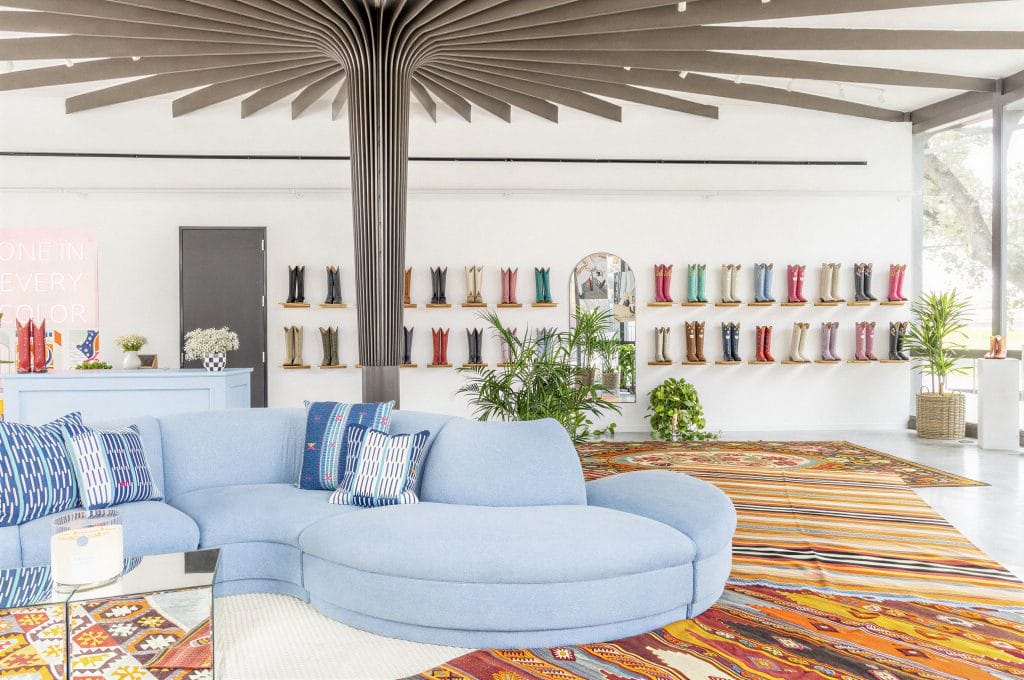
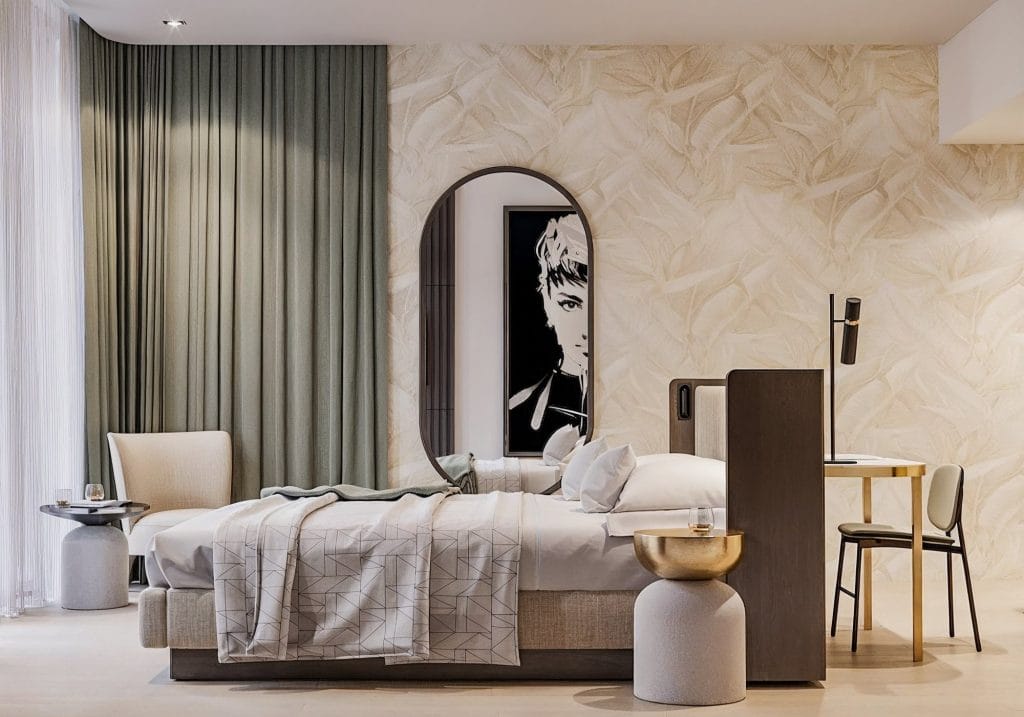
AI storyboarding tools allow designers to create dynamic concept visuals for hospitality and retail spaces, using personas to drive design decisions and fast iterations. These tools streamline the initial design phase, helping brands present polished concepts to stakeholders quickly.
On the cons side, the AI-generated visuals lack the depth of story and context that human designers bring to these spaces.
- Best for: Creating dynamic visuals for retail and hospitality spaces using AI-generated storyboards.
- Why it’s trending: AI helps designers quickly iterate persona-driven narratives and visual concepts for branding, store layouts, or hospitality environments.
- Key Benefits: Faster iterations, clearer concepts, better alignment with brand values.
- Limitations: AI-generated visuals may lack the depth of story and context that human designers bring to these spaces.
- Use case examples: AI storyboard tools for hospitality and retail.
AI gives you options. A designer knows what will really work.
Combine fast AI inspiration with a pro who knows layouts, finishes, and what works in real life. Book your Free Online Interior Design Consultation to get started today!



Comments