


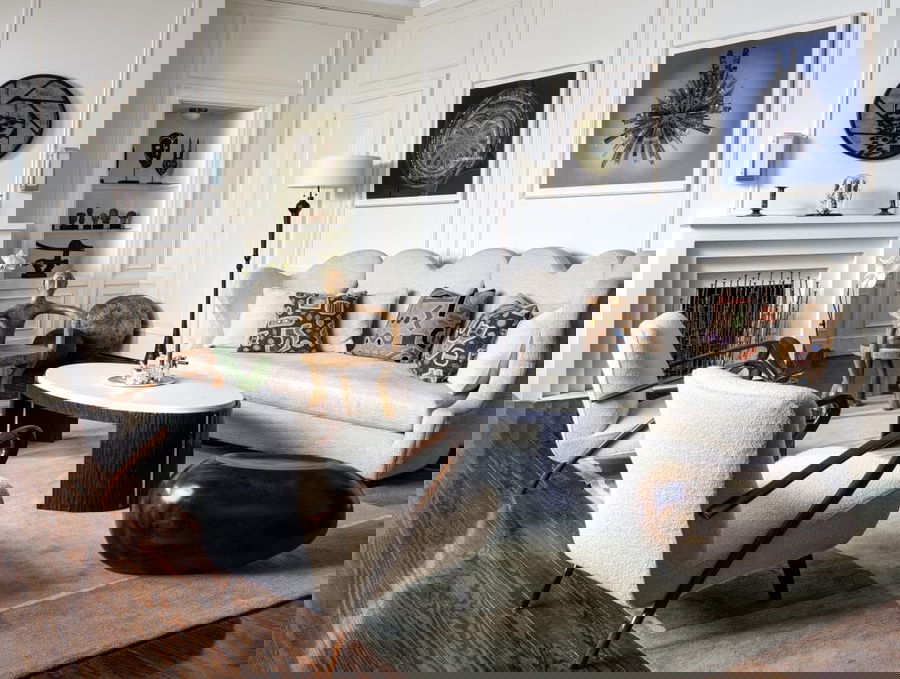
Ready to mix timeless charm with modern style? Modern heritage brings classic elegance into the now, creating spaces that feel both familiar and fresh. Let this trend transform your home with the perfect balance of old and new.
What Is the Modern Heritage Trend?
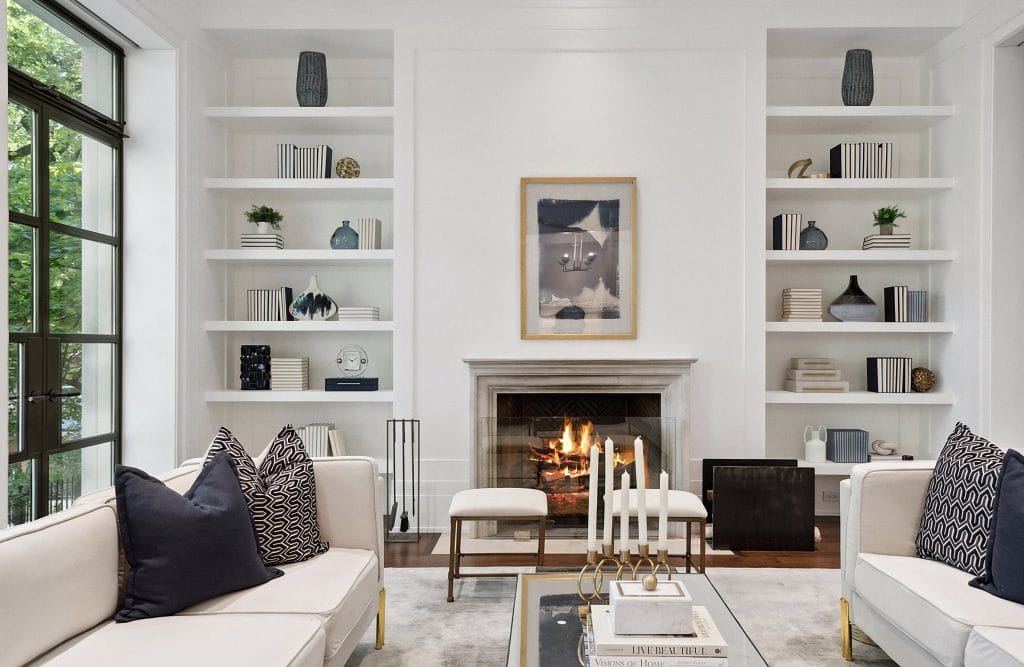
Modern heritage has become a leading design direction for homeowners who want a home that respects the past but lives comfortably in the present. It keeps the details that make a house meaningful, including its features, craftsmanship, and quirks, at the same time introducing contemporary design choices. This classic home aesthetic avoids rigid rules. Instead, it focuses on thoughtful updates that support daily life.
You will spot old wood floors paired with simple furniture, or vintage fixtures next to modern lighting. Because of this blend, the home feels lived-in, full of character. Some designers call this trend the New Heritage Style, especially when the home is not historic but aims to capture that same sense of story. This makes it flexible, whether you live in an older home or a newer build that embraces a fresh take on tradition.
Pro Tip: Interested in modern heritage design but unsure if that’s the right choice for you? Try our Free Interior Design Style Quiz to discover your ideal style today!
How to Achieve Modern Heritage Interior Design
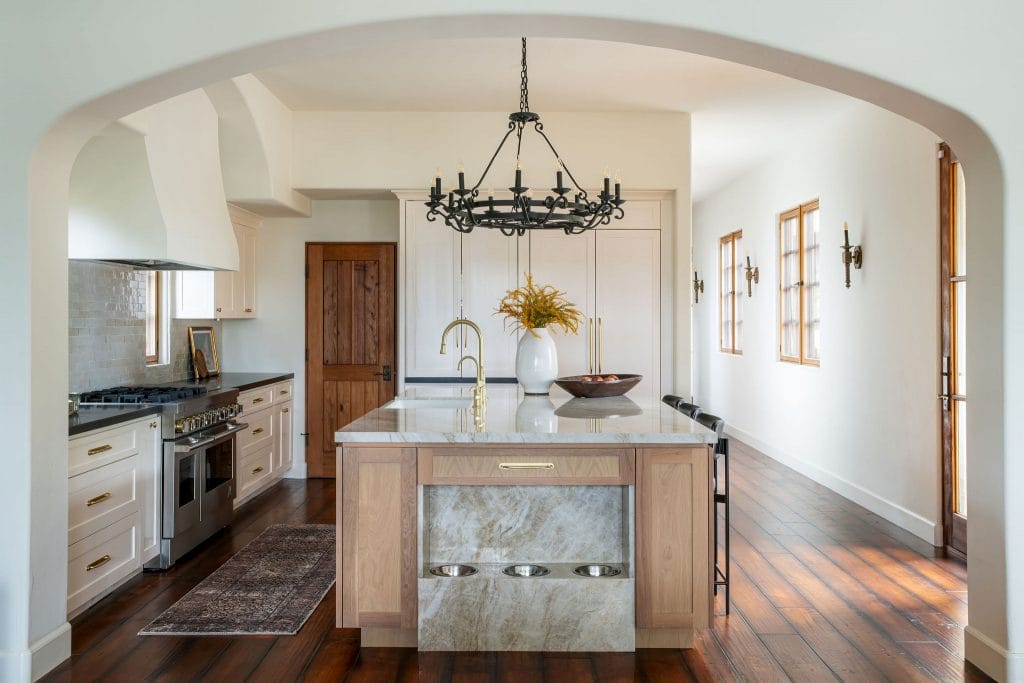
Creating a home with the contemporary heritage design does not mean copying what others have done. The best results come from layering meaningful details that honor the past and letting each space evolve. Below are practical steps you can follow.
1. Embrace Timeless Architecture
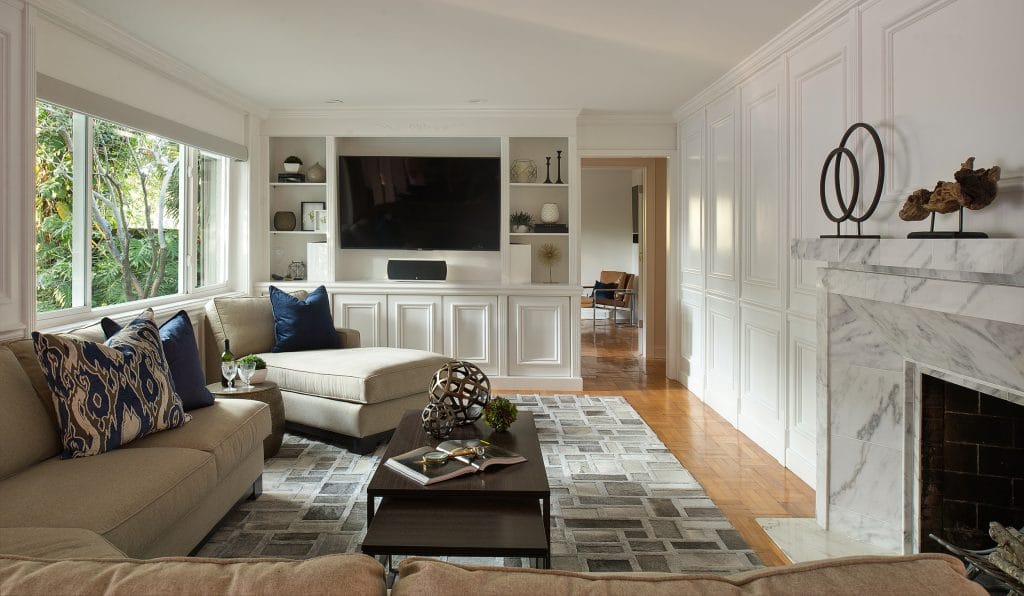
Before adding furniture or decor, look at the structure of your home. Older homes often have features worth highlighting, such as tall baseboards, beams, archways, or paneled doors. In a newer home, you can introduce traditional elements like wainscoting, picture-frame molding, or simple trims that nod to heritage style.
This approach creates order. Even small upgrades, like restoring original hardware or painting interior doors in a soft, classic tone, can boost your home’s character. When these architectural touches frame the room, everything else feels more intentional. Try to keep changes practical. For example, you can open a blocked transom, repair original plaster lines, or restore a traditional staircase profile.
2. Mix Old and New for a New Heritage Style
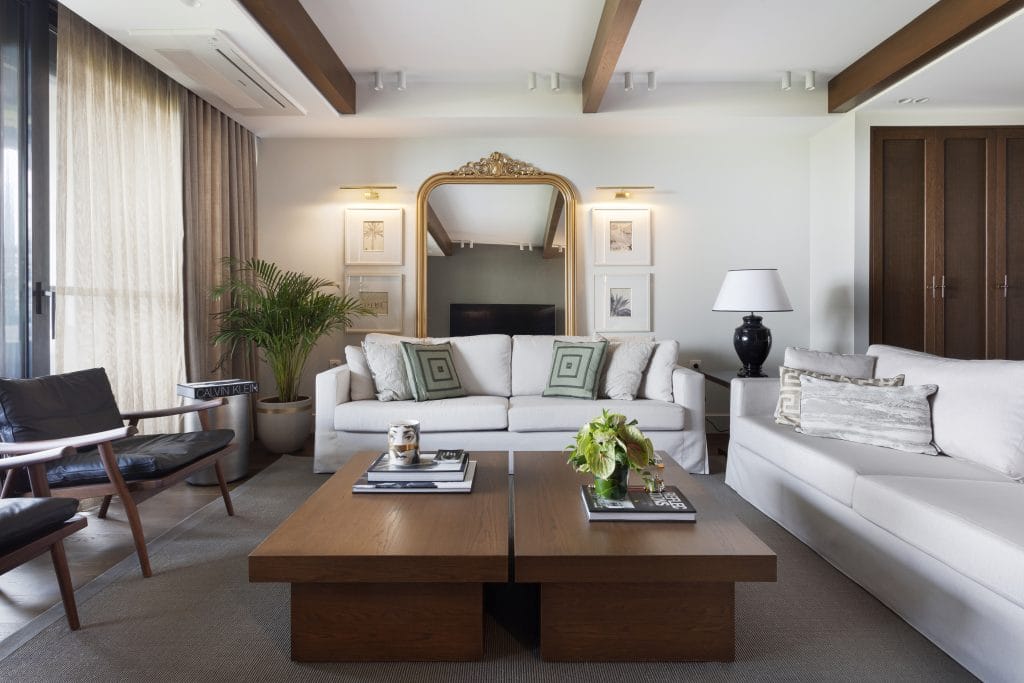
A key part of this trend is contrast. When old and new objects sit together, each becomes more noticeable. Instead of matching eras, allow pieces to stand on their own. For example, you can pair a clean-lined sofa with a restored wood coffee table, or place a sleek lamp next to an antique mirror.
The goal is not to create a themed room. It is to build a collected look that feels natural. Choose items with solid construction and a clear purpose. A mid-century chair beside a traditional rug works because both have strong shapes and practical value. However, use restraint so your rooms do not feel crowded.
3. Build a Rich, Neutral Foundation
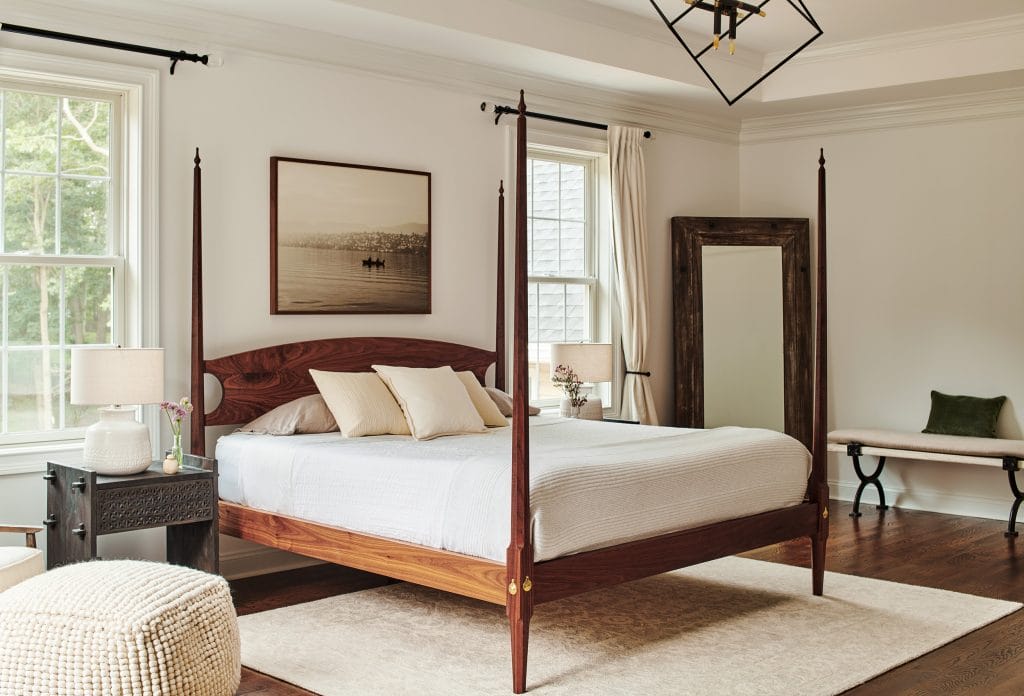
Many homes with modern heritage interior design rely on a grounded, neutral palette. This keeps rooms calm and lets architectural details shine. Think soft white, muted beige, creamy taupe, gentle stone, or warm gray. These tones help connect old details with modern elements in a smooth, cohesive way.
The key lies in layering shades rather than leaving everything in a single color. For example, painted walls in a quiet neutral can sit next to natural wood millwork. Upholstery in similar tones can still feel distinct when textures change. Save bold tones and patterns for accents so they do not compete with the room’s structure. A neutral base also makes it easier to swap decor or accessories over time.
4. Celebrate Natural Materials
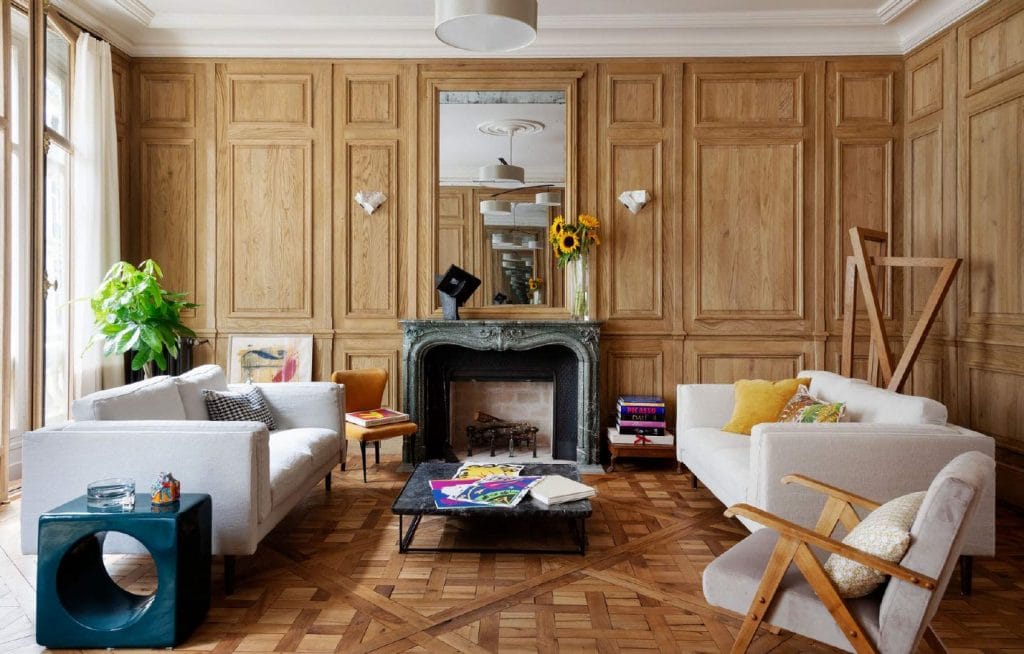
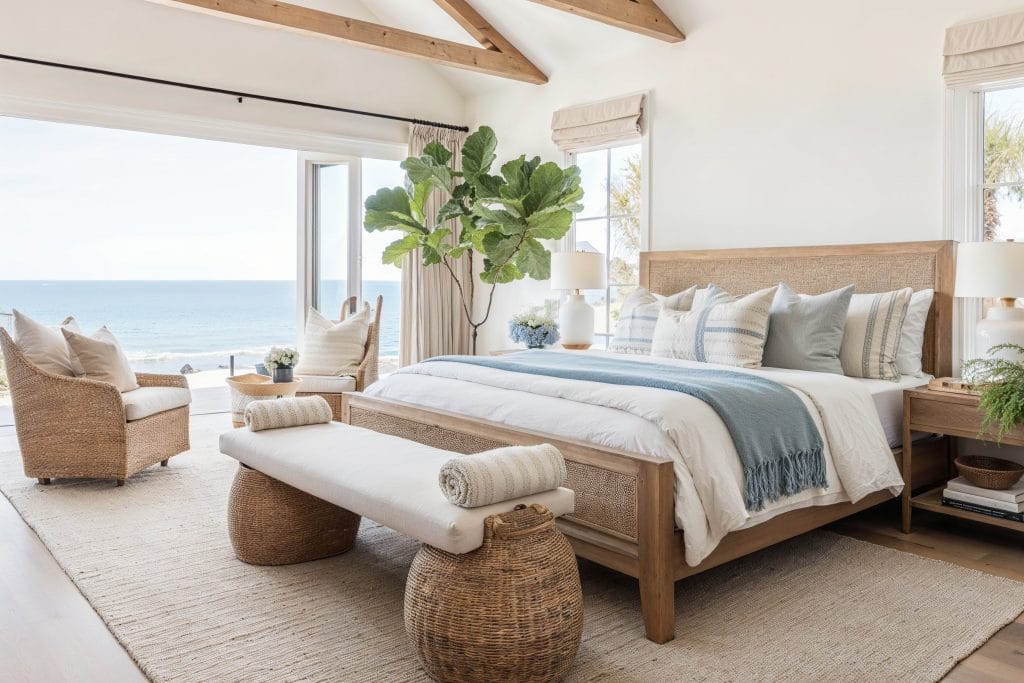
Natural materials support the modern heritage aesthetic because they feel authentic and durable. Instead of glossy finishes or synthetic textures, look for pieces made from solid wood, linen, leather, stone, clay, wool, or rattan. These materials age gracefully, which suits a room with history.
In modern builds, natural materials add subtle variation that breaks up plain surfaces. Because they develop patina over time, they help new builds gain character faster. Mix surfaces with different qualities to establish balance.
5. Layer Patterns with Purpose
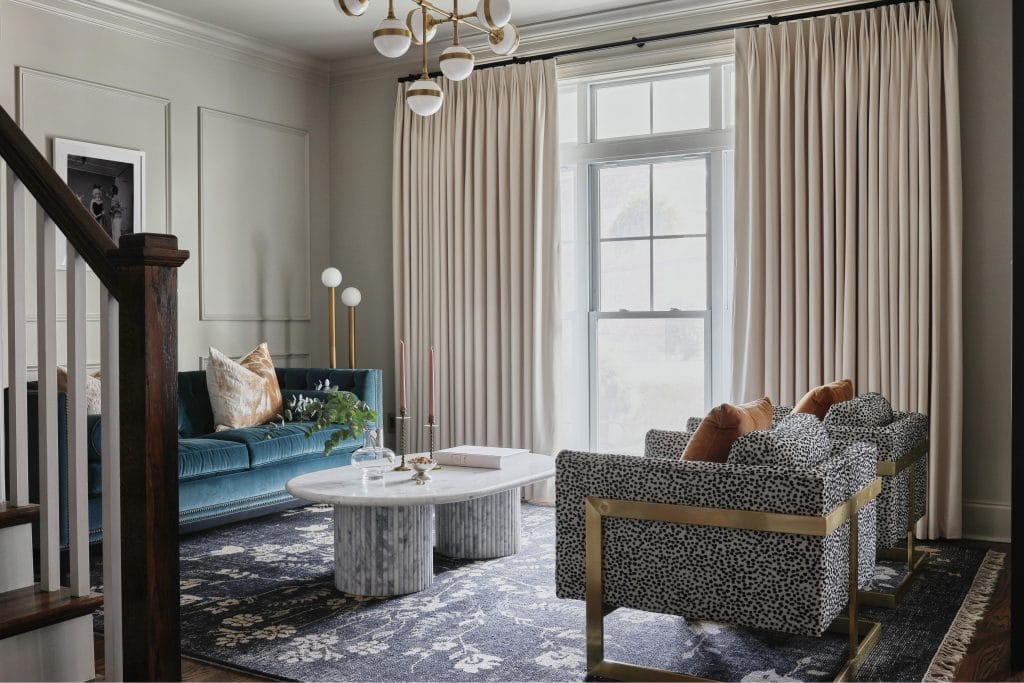
Patterns play a major role in giving a modern heritage interior its recognizable style. These work best when used tactically. Instead of covering the room in prints, choose a few designs that hold meaning or reference a certain era. Checks, stripes, botanical prints, block prints, and simplified historic motifs all blend well with this trend. Incorporate them in textiles that are easy to update. Rugs with heritage-inspired patterns can also center the space.
Mix patterns with varied scales so they do not compete. Use this to draw attention to a feature you want to highlight, such as an alcove or a reading nook. For example, a large-scale modern stripe can pair with a smaller floral. Keep colors connected to your neutral base for a consistent look.
6. Curate Character-Driven Decor
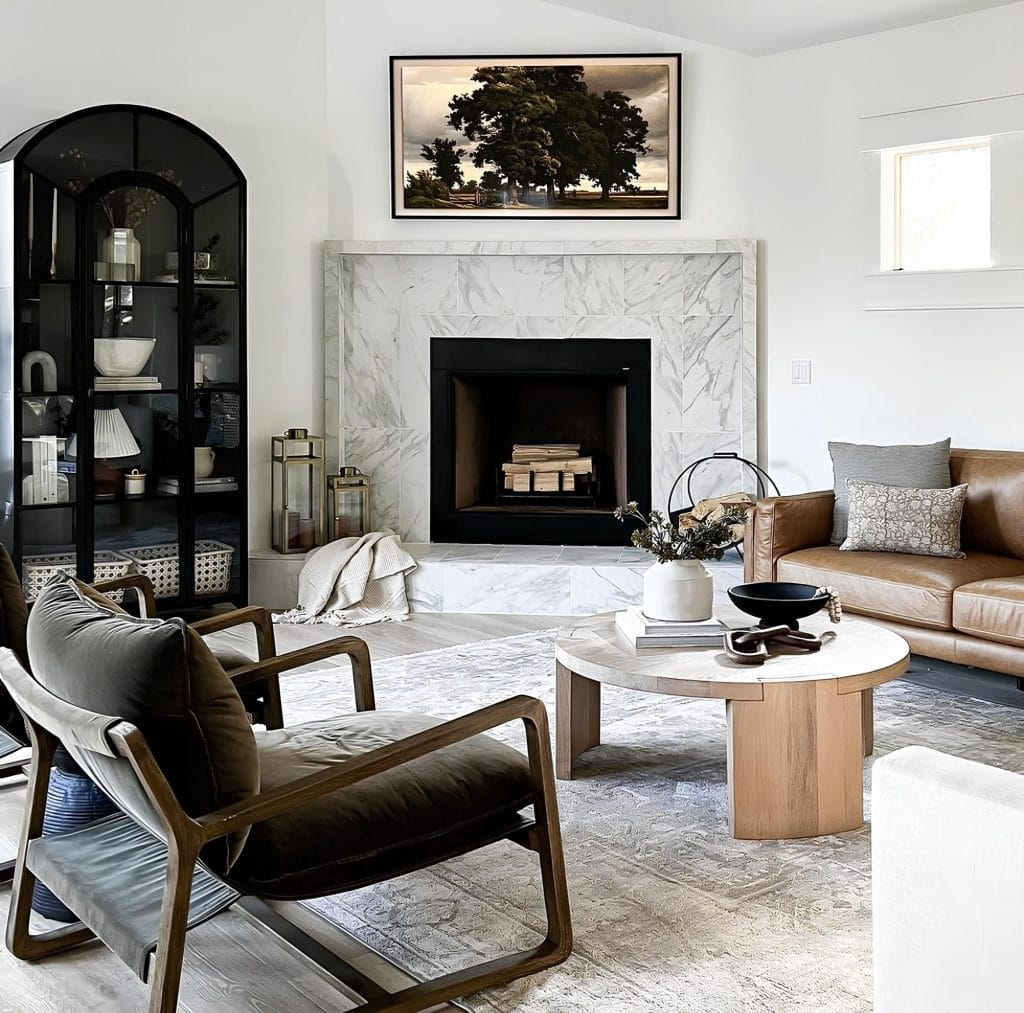
Decor is where your home’s personality truly shows, particularly in the new heritage style. Rather than buying sets of objects, choose pieces that tell a story. These can be family heirlooms, handmade objects, old books, travel finds, pottery, or even artwork from local creators. Try to mix shapes and heights for more interest, but also give each piece room to breathe. A mantel filled with too many small items can feel cluttered, whereas a single standout object offers a stronger presence.
Art also plays a role here. Combine modern prints with classic portraits or landscapes. Frame them in different finishes to keep the display unpredictable. And because modern heritage design supports personal expression, feel free to rotate items throughout the year and keep rooms dynamic.
Ready to bring the new heritage style into your home?
Whether your space is decades old or recently built, hire a professional interior designer to help you combine the best of both worlds. Book your Free Online Interior Design Consultation to start your project today!


Comments