


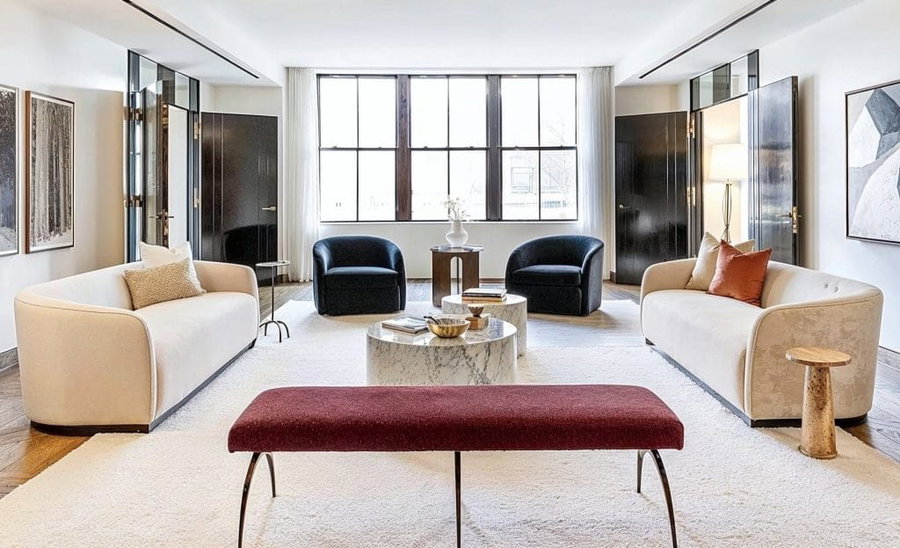
Ever feel drained from endless scrolling and screen time? A thoughtful home design can be a sanctuary away from technology. Analog rooms offer a retreat where you can refresh, focus, and reconnect with yourself and others.
The Rise of Analog Rooms
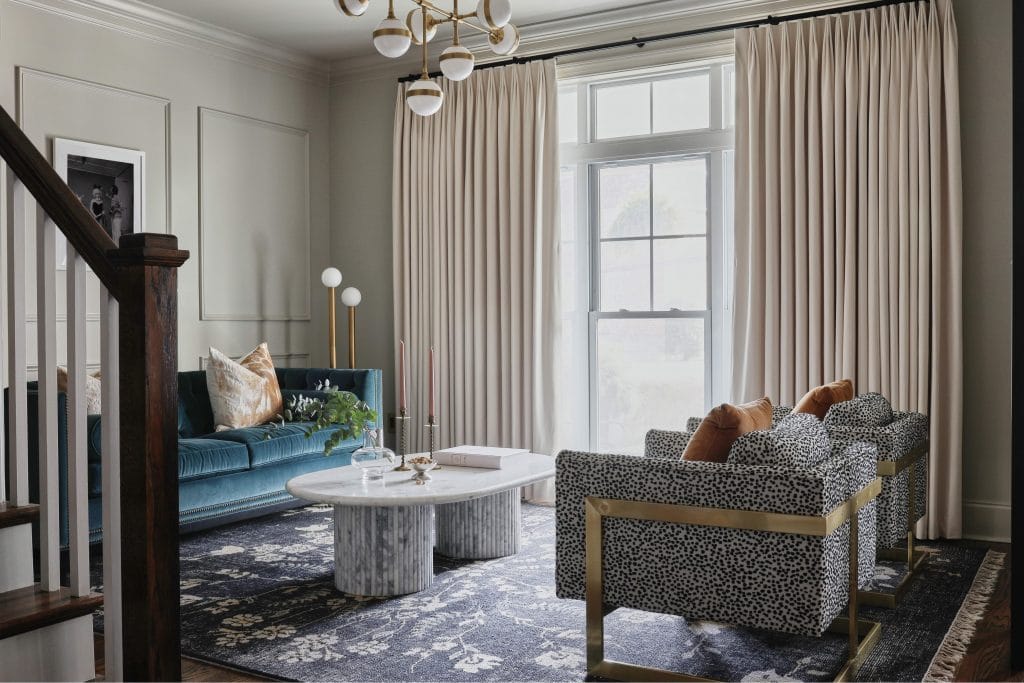
In today’s screen-heavy world, we rarely step away from notifications and pings. Analog rooms are spaces intentionally designed to counter this constant digital noise. They prioritize offline experiences, letting you read, craft, or simply relax without a device in hand.
More people are creating these spaces to support mental wellness, encourage creativity, and foster genuine connections. From cozy nooks to full-sized rooms, analog spaces are becoming a necessary part of modern homes. Their relevance grows as digital fatigue remains a common concern, making such spaces a lifestyle choice.
Why Analog Rooms Matter: The Benefits of Screen-Free Spaces
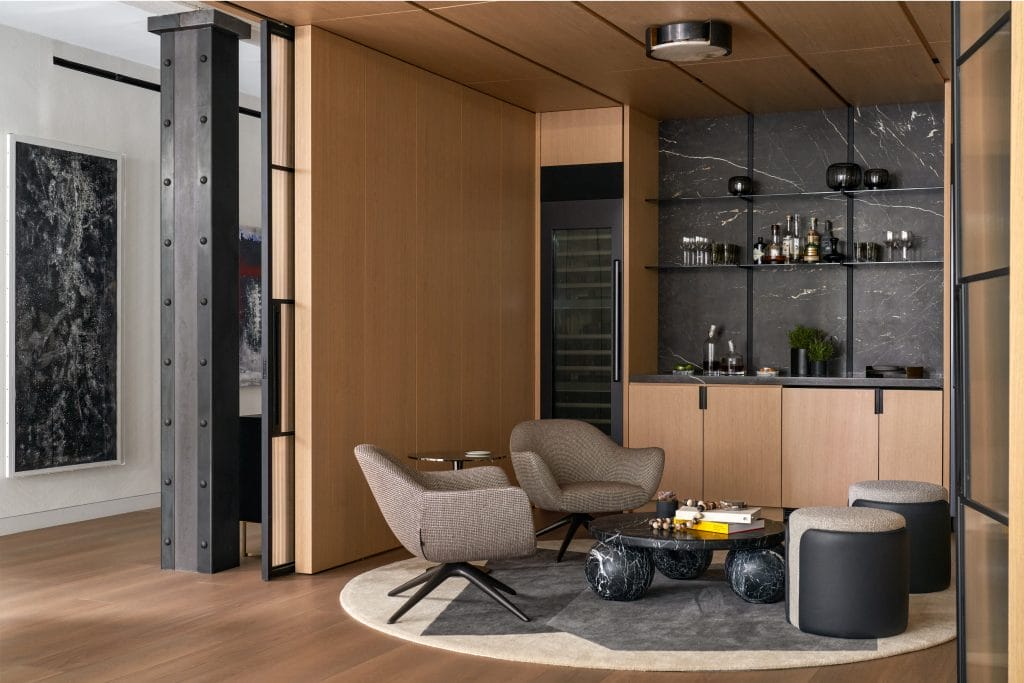
- Escape Digital Overload: Constant exposure to screens and smart home devices can increase stress and disrupt sleep patterns. Screen-free rooms help you reduce anxiety and reconnect with the real world.
- Cultivate Mindfulness & Creativity: Analog spaces encourage mindfulness by offering a quiet environment where your thoughts can flow freely. Without notifications competing for your attention, you can focus on activities that spark creative thinking.
- Enhance Connection: Tech-free spaces provide an ideal setting for personal reflection and meaningful bonding with others. Conversations in these environments are focused and more satisfying, allowing relationships to deepen naturally.
- Improve Mental Health: Spending time in analog rooms reduces cognitive clutter and creates opportunities for relaxation. People often report better focus, lower stress levels, and an overall sense of calm in these environments.
Pro Tip: Need an analogue room but still unsure about the best way to design it? Try our Free Interior Design Style Quiz to discover your ideal style today!
8 Tips for Designing and Maintaining Your Analog Room
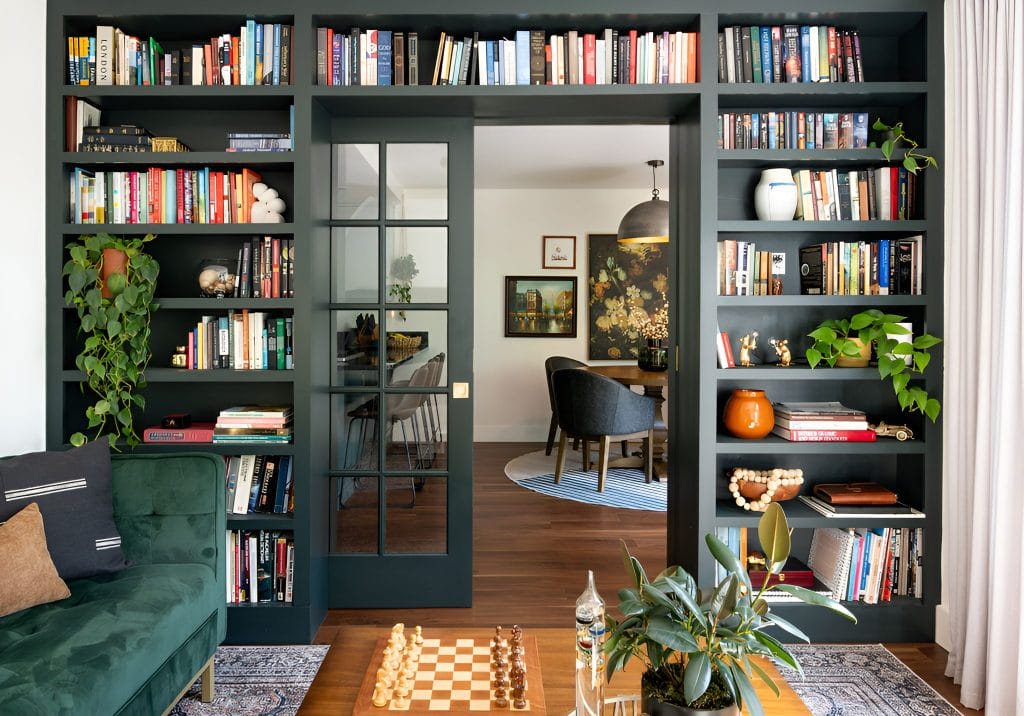
Analog rooms can be small corners or entire tech-free rooms, but what matters most is intention. Each element should support focus, relaxation, and creativity, ensuring that your time away from screens feels restorative. By applying these designer hacks, you can transform any area into an analog sanctuary.
1. Choose Your Space with Purpose
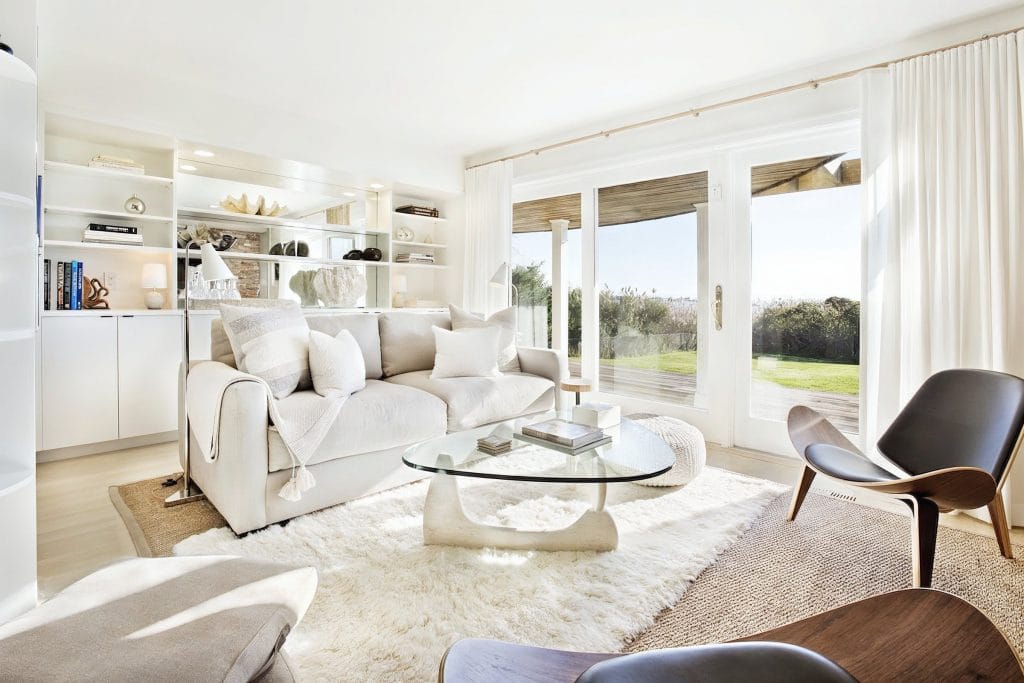
Start by picking a peaceful room or corner. Avoid areas where digital devices are typically used. Ideally, it should have natural light and quiet surroundings. Even small nooks can function as effective screen-free spaces if thoughtfully arranged. The key is consistency. Use this space exclusively for analog activities.
2. Design with Purposeful Furniture Placement
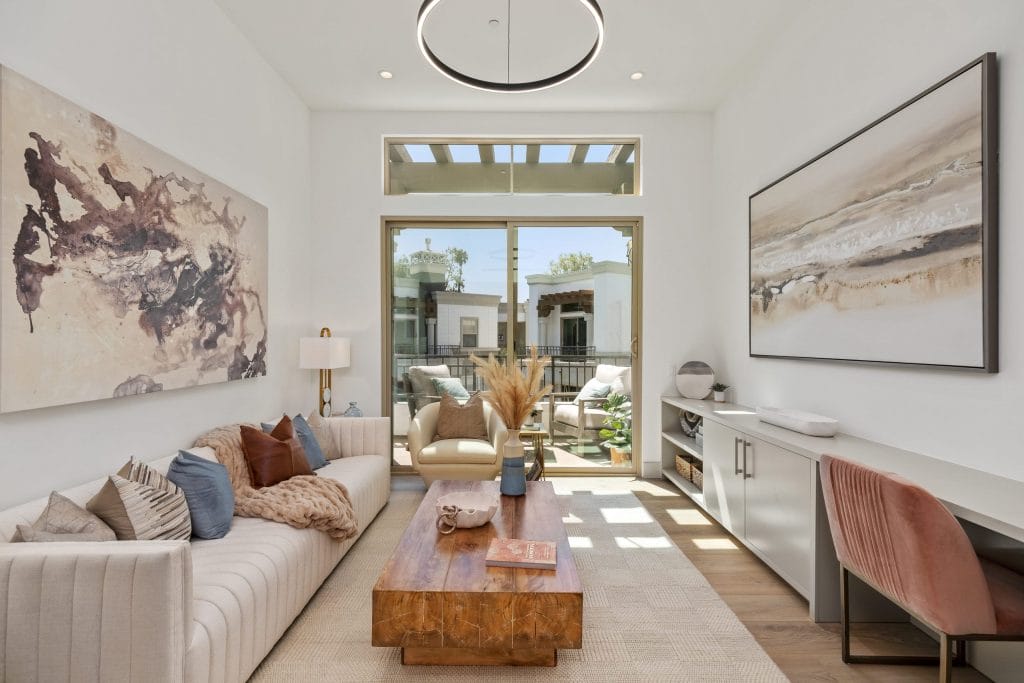
Creating screen-free spaces does not require expensive furniture or renovations. Simply rearrange seating and tables to support comfort and engagement. For example, place a reading chair near a window or a small desk for art supplies. Ensure traffic flow is smooth, and avoid overcrowding the space. Purposeful placement helps maintain focus and allows the room to do its magic.
3. Add Soft, Layered Lighting
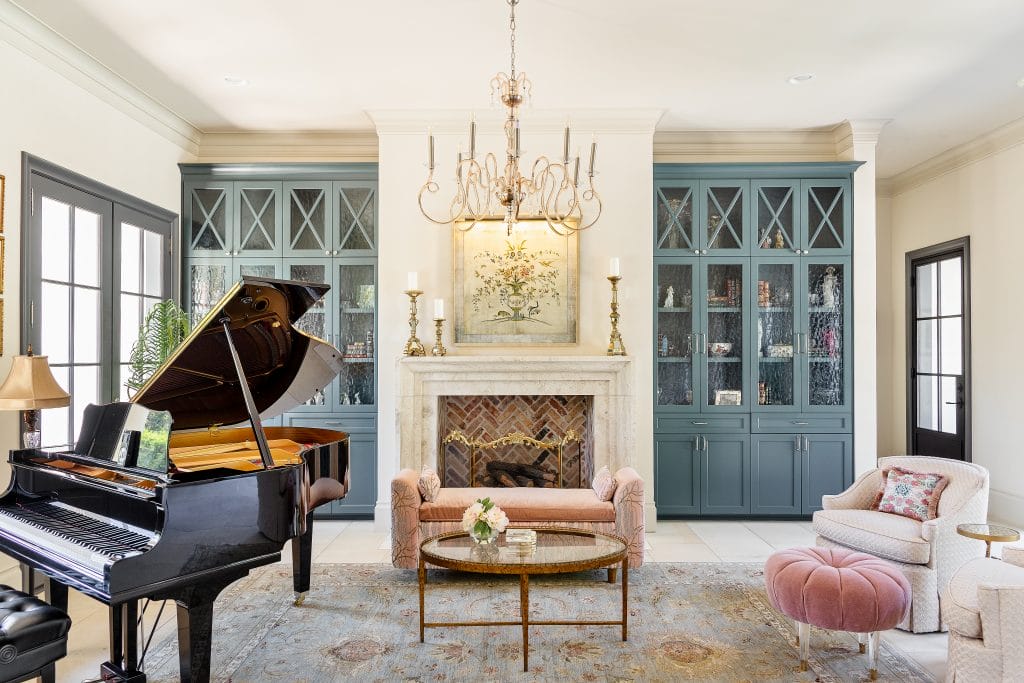
Lighting sets the mood for analog rooms. Incorporate multiple sources, like floor lamps, table lamps, and wall sconces, to create layers of gentle illumination. Avoid harsh overhead lights that strain the eyes. Soft lighting can subtly guide your day, supporting reading or quiet reflection.
4. Incorporate Rich, Natural Materials
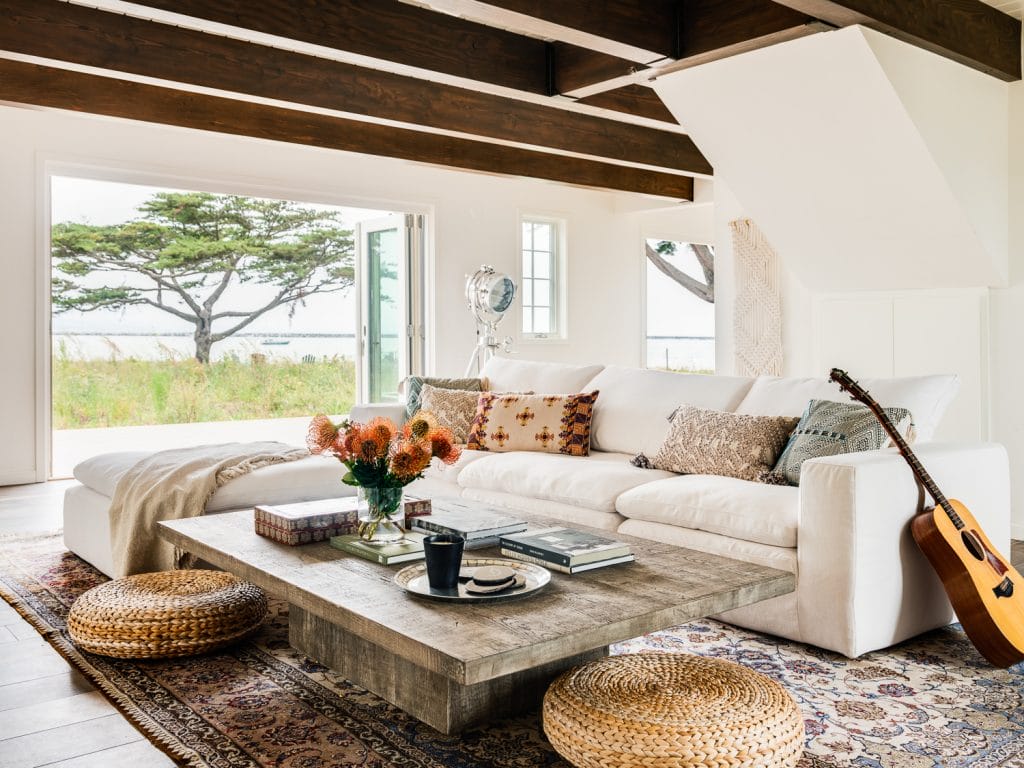
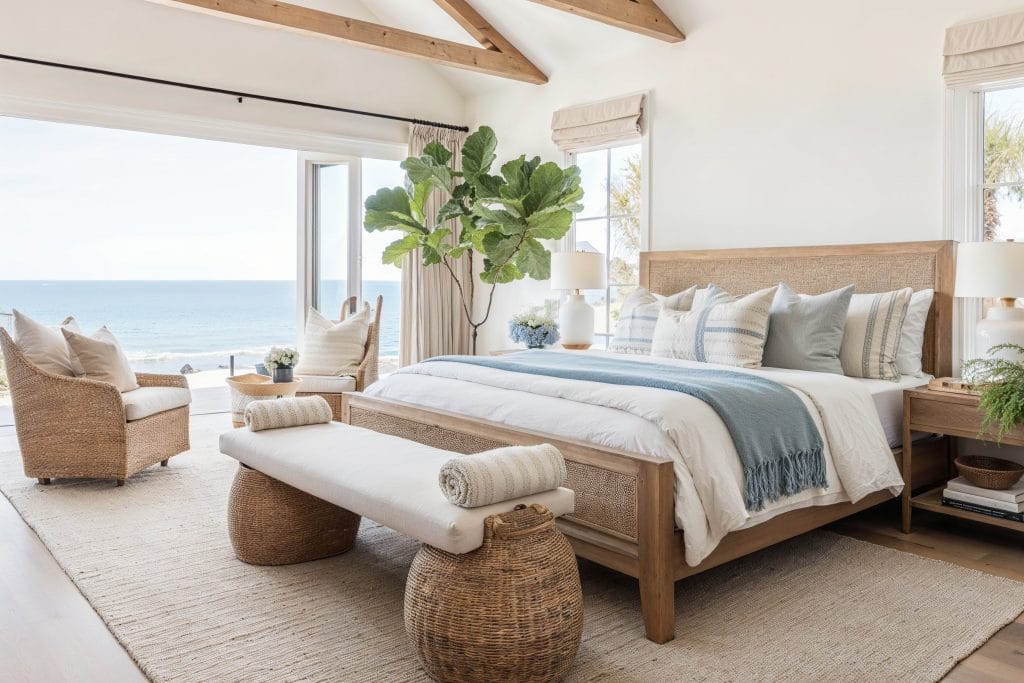
Materials like wood, stone, linen, and wool create tactile interest. They add sensory depth while keeping the space grounded. For example, a linen-covered armchair can make the room more inviting and tactile, subtly encouraging analog interaction.
5. Create a Centerpiece for Analog Activities
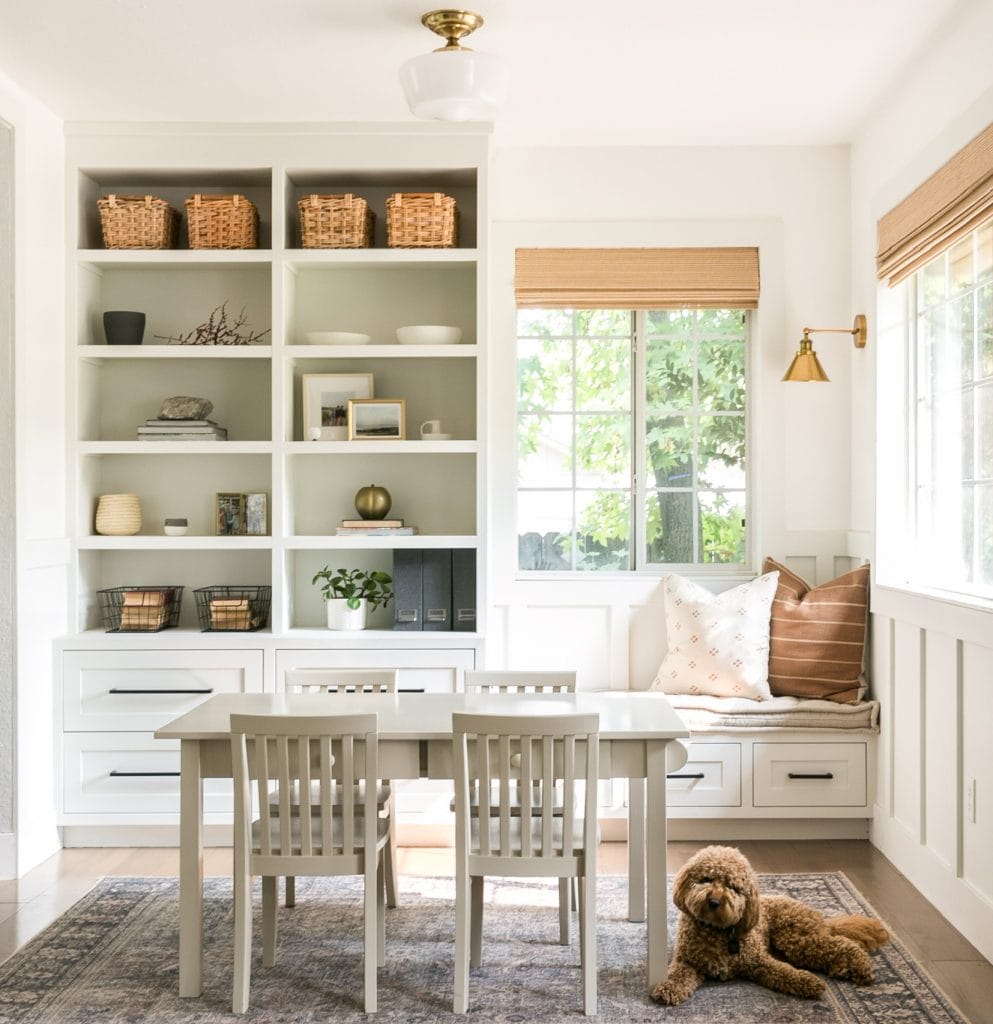
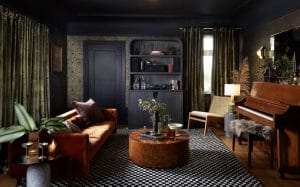
Analog spaces are about choosing your activities and building routines that honor offline time. Define the room’s purpose with a central feature. A reading nook, a coffee table, a meditation cushion, or a craft desk can act as the focal point. The centerpiece guides use and helps reinforce the tech-free intent of the space. It also visually anchors the room.
6. Use Art to Enhance Analog Atmosphere
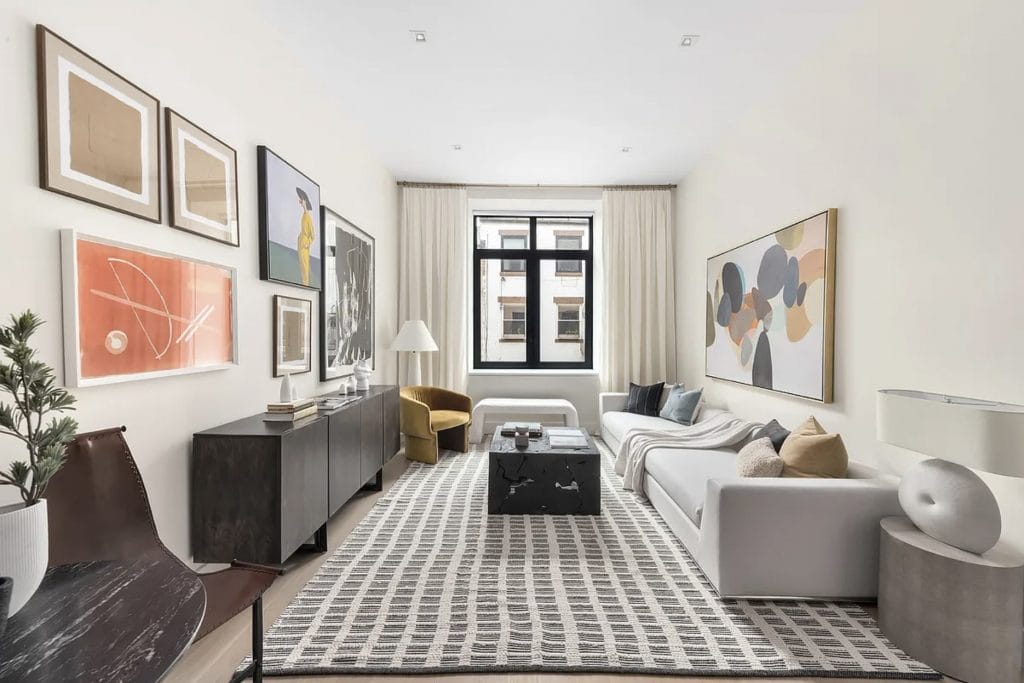
Art can inspire and calm simultaneously. Consider hanging prints, paintings, or sculptures that encourage contemplation. Rotating artwork keeps the room fresh; however, avoid digital frames or media-based pieces. The goal is to engage with tangible, physical creations that enrich your analog environment.
7. Add Movement and Sound to the Room
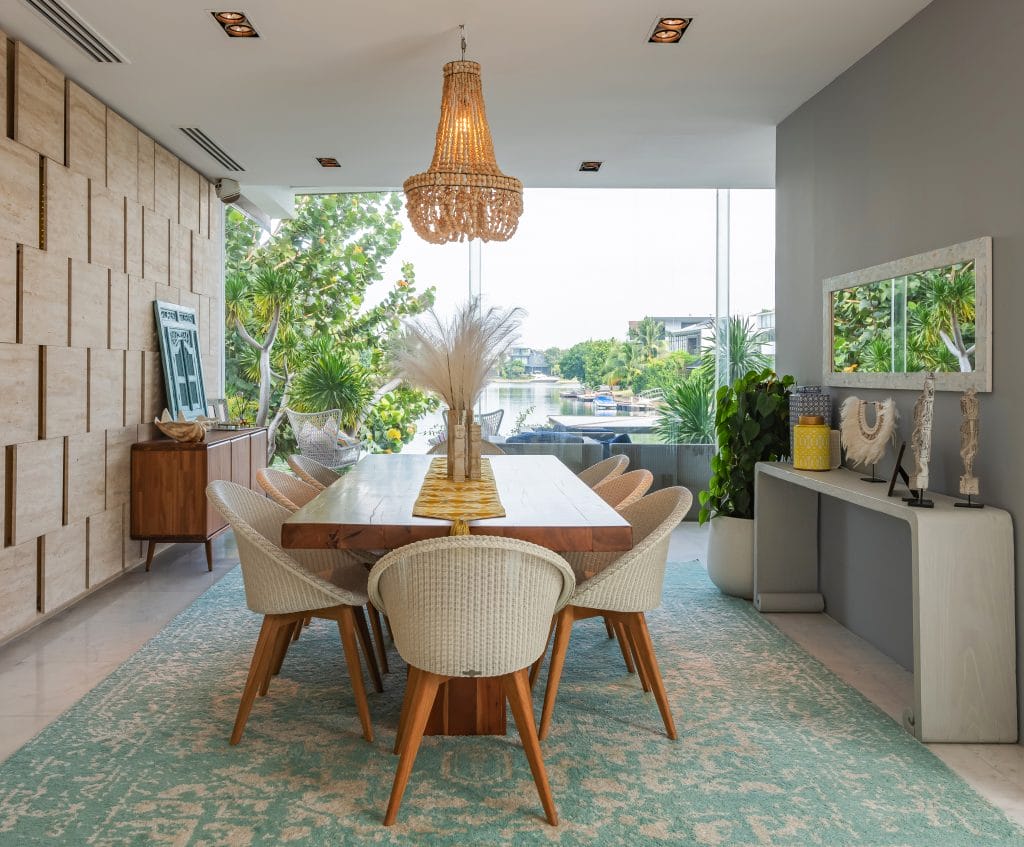
Analog spaces are not about silence alone. Integrate subtle movement or sound, like a gentle fan, an indoor plant that sways, or soft acoustic music. These elements add life to the room and prevent it from feeling static. Natural sounds, like wind chimes or a small water fountain, can further enhance relaxation. Incorporate them into your home to support your mental well-being while adding purpose to your design.
8. Keep the Space Clutter-Free
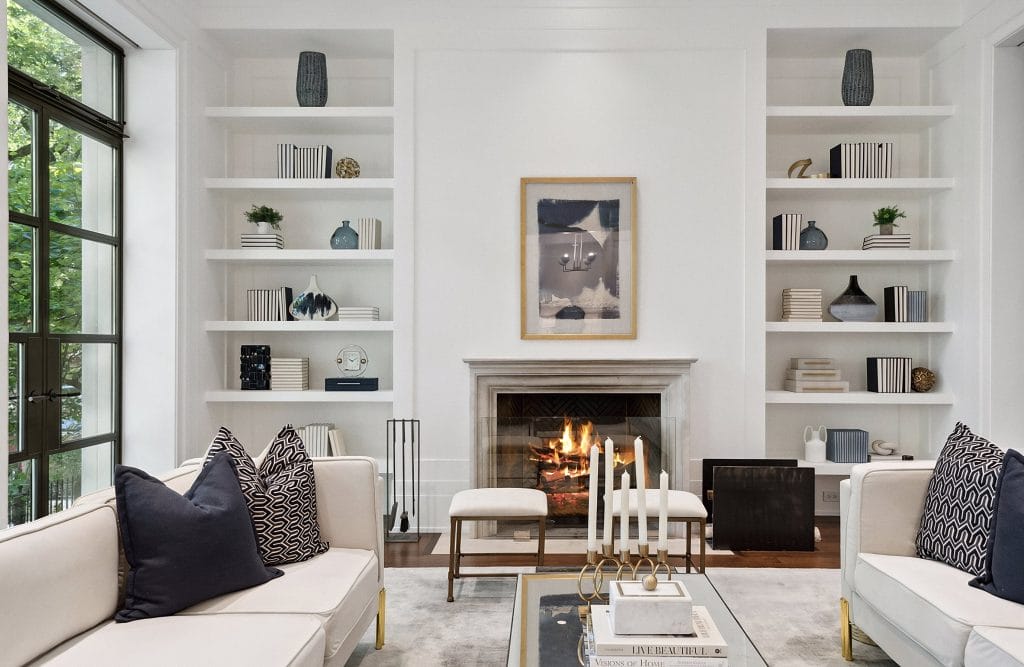
A cluttered space can pull focus away from the analog experience. Keep surfaces clean and storage organized to maintain calm. Limit unnecessary items and rotate materials as needed. This practice reinforces mindfulness and makes the room more inviting for extended use. Even brief periods in an orderly room can reduce stress, improve focus, and inspire creativity.
Ready to Introduce Analog Spaces into your Home?
If you want a home that truly balances modern living with mindful moments, professional guidance can help you craft analog spaces tailored to your lifestyle. Book your Free Online Interior Design Consultation to start your project today!



Comments