
Ahmed S.
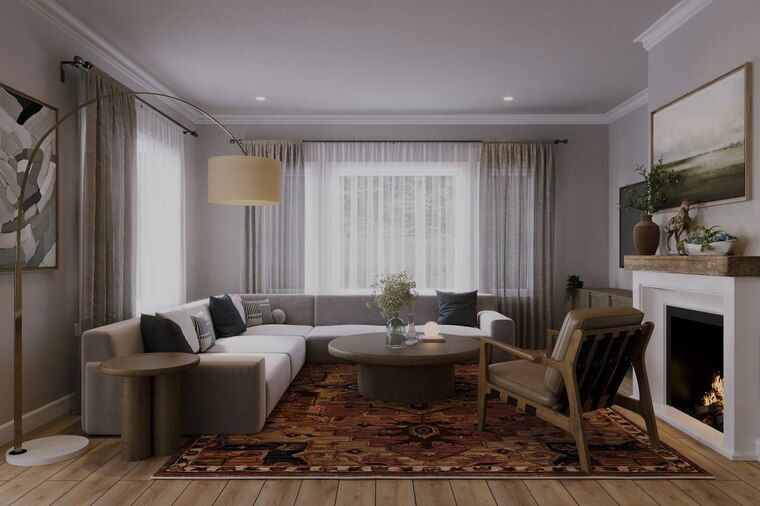
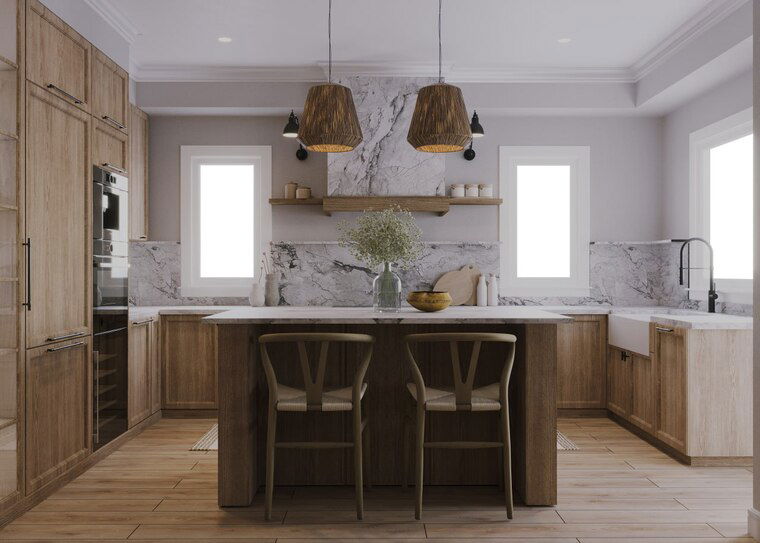
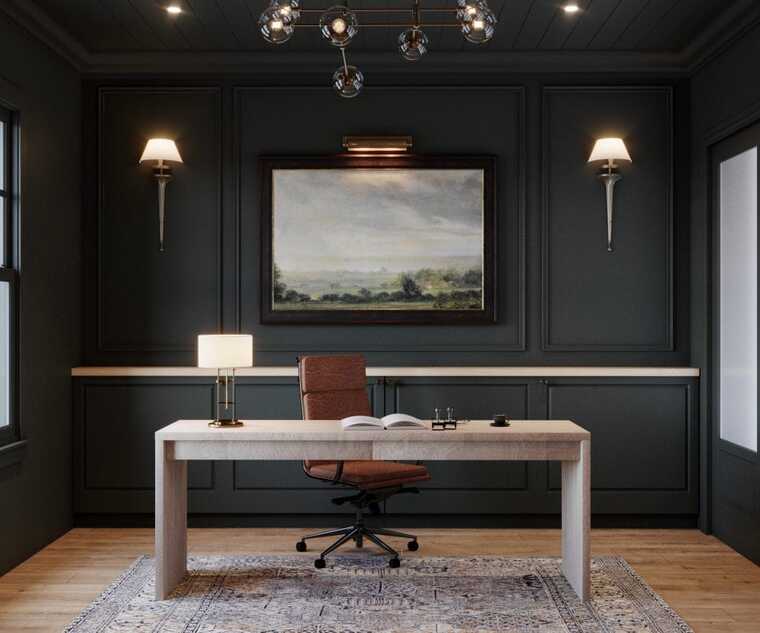
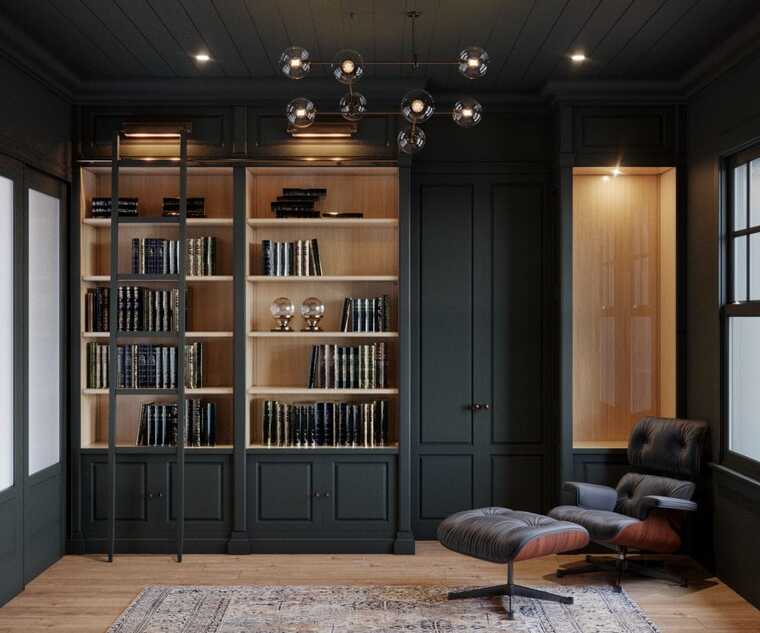
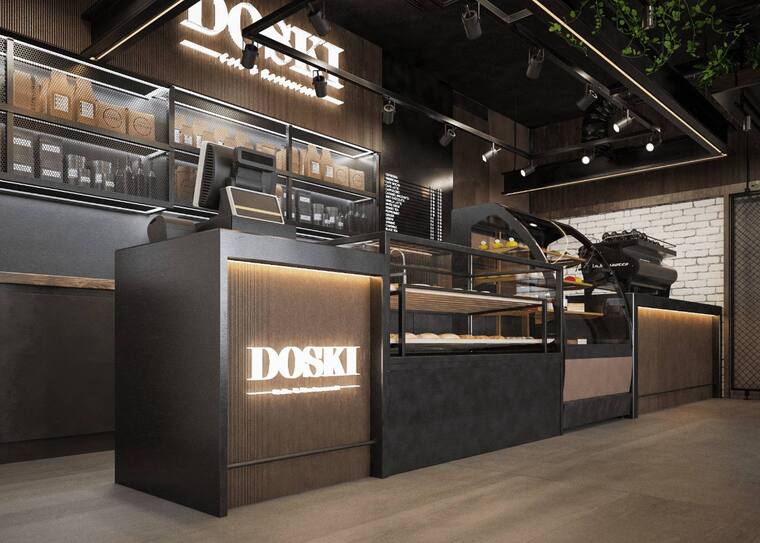
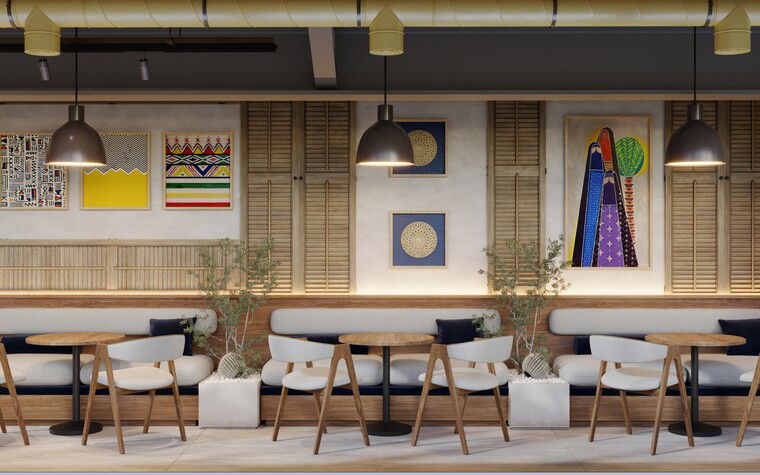
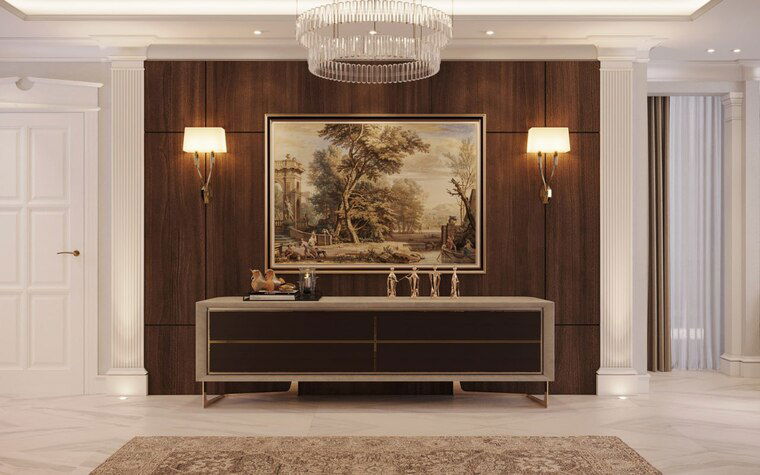
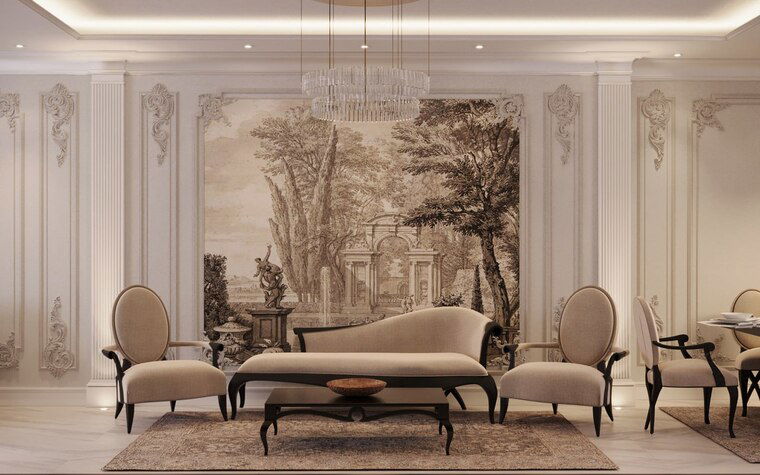
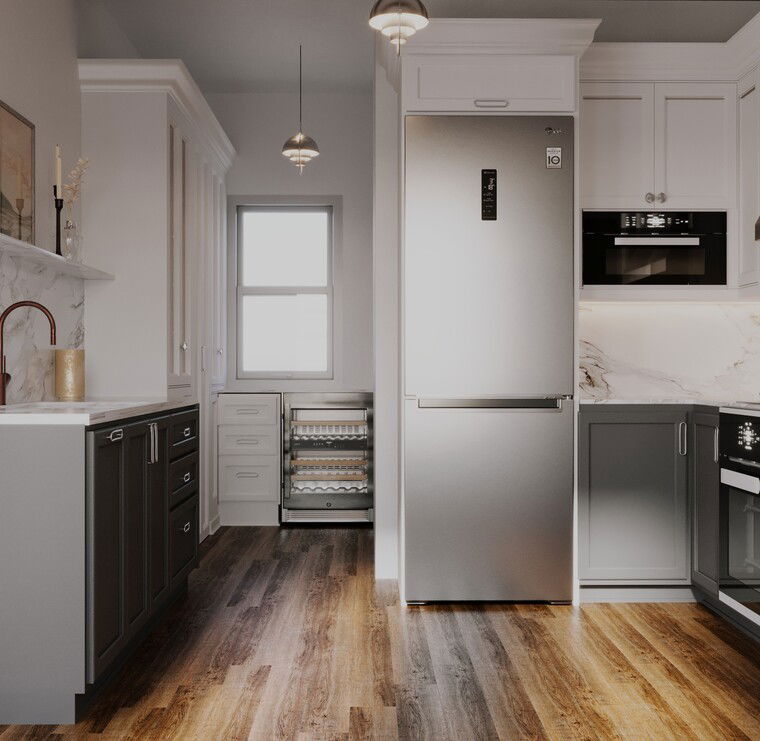
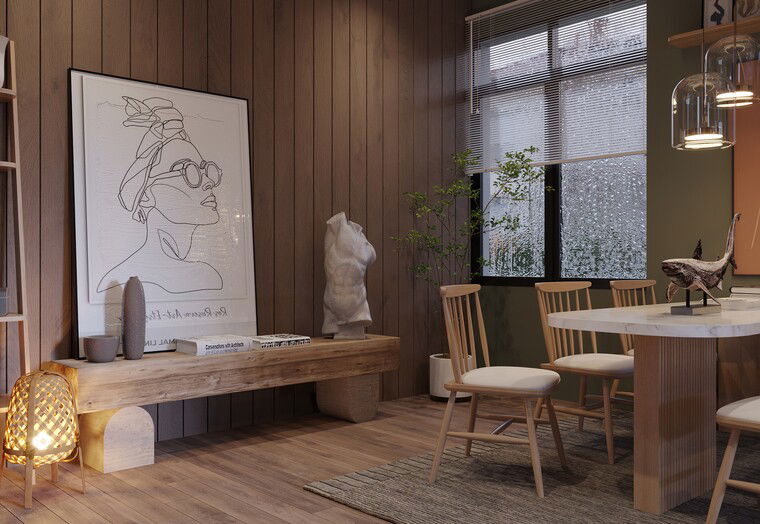
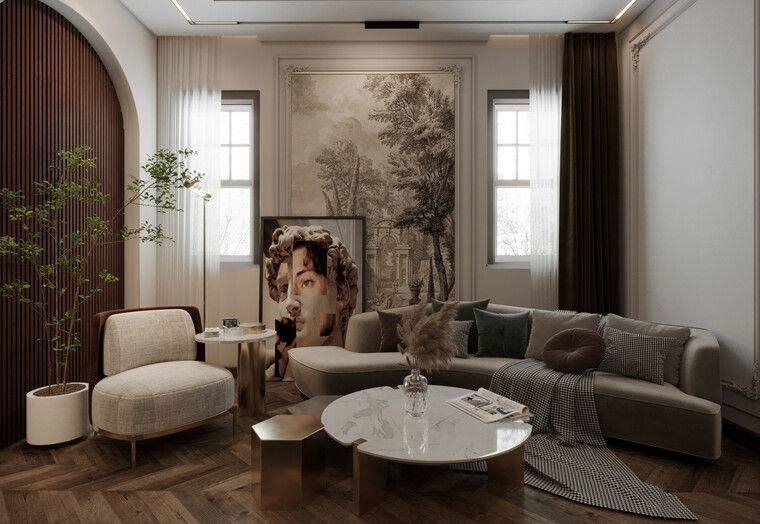
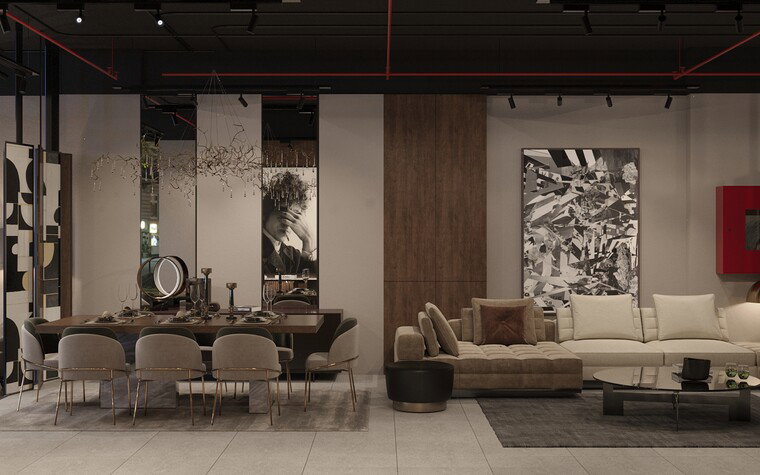
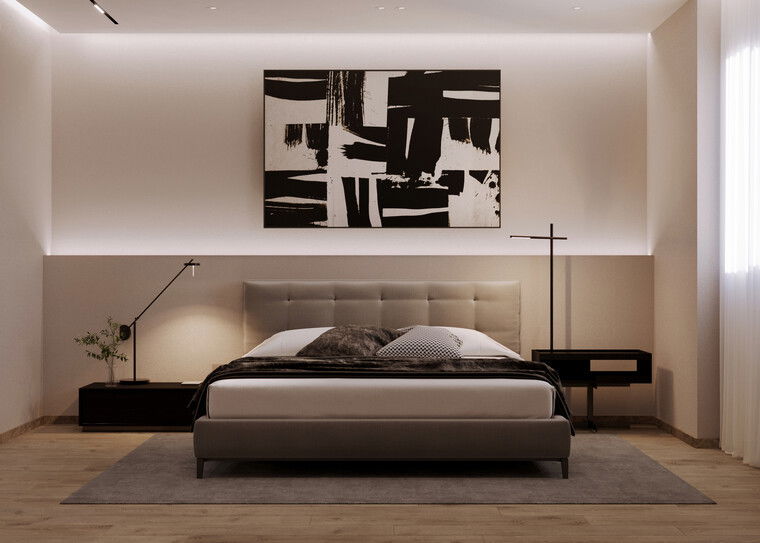
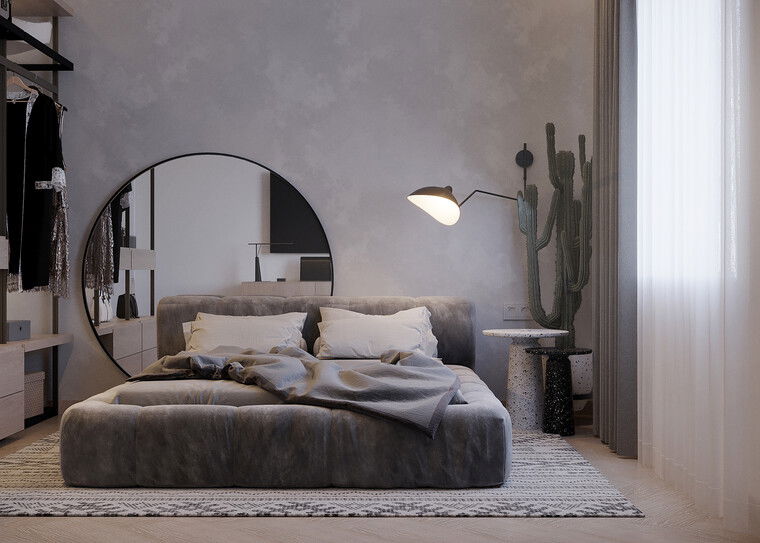
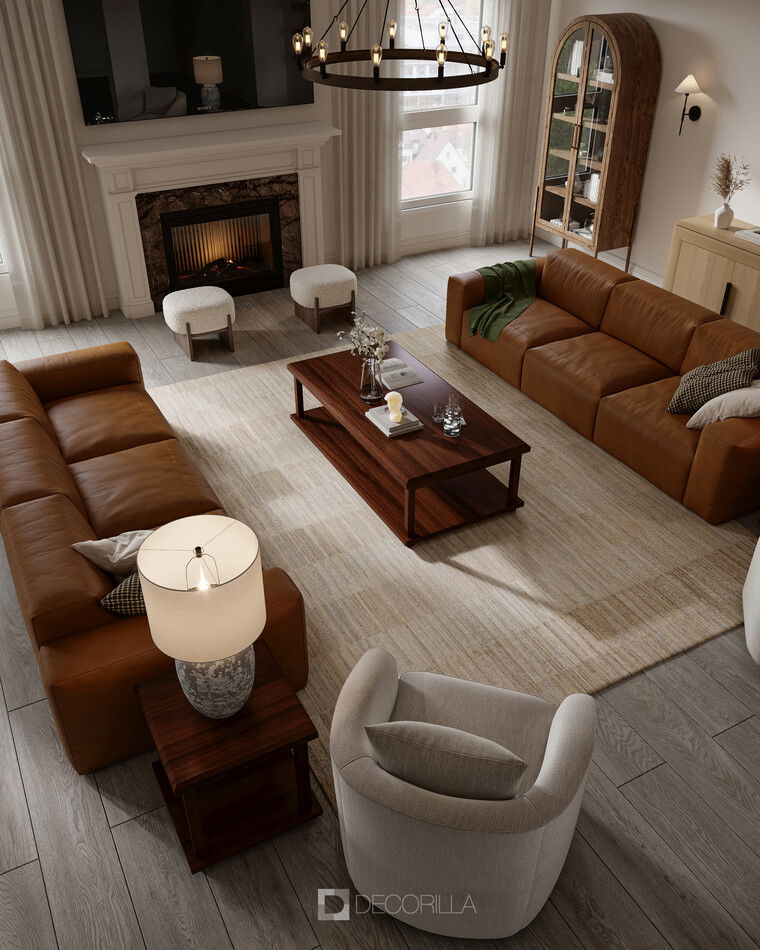
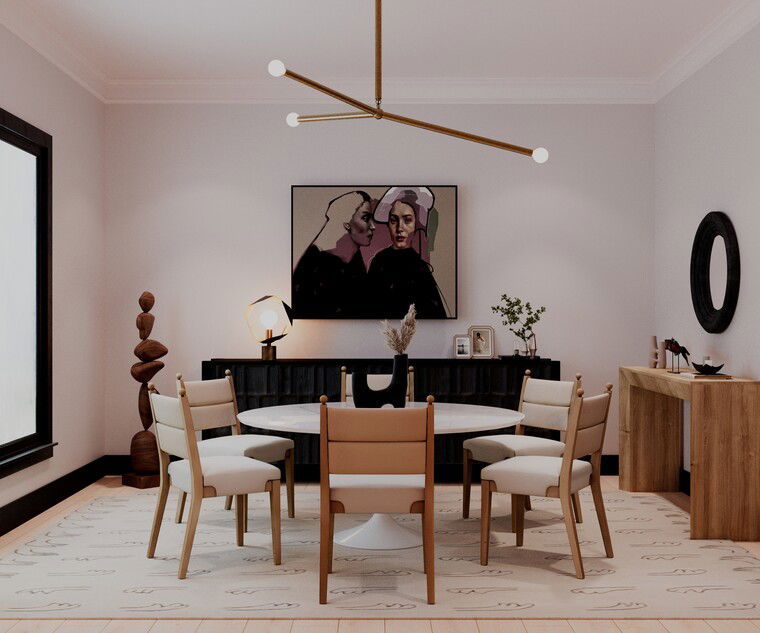
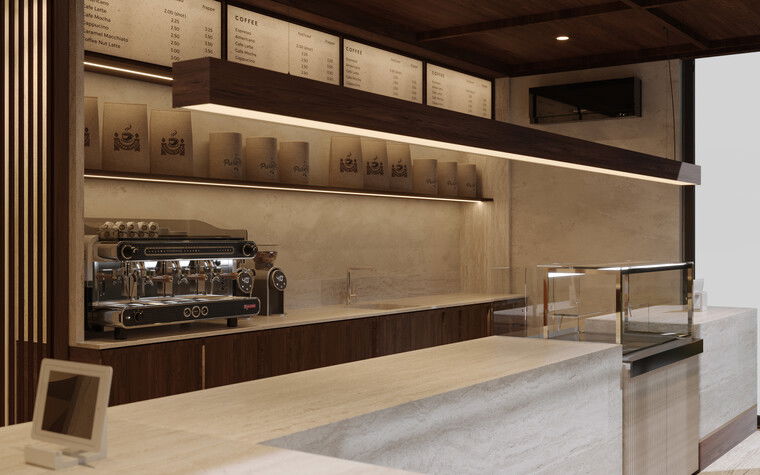
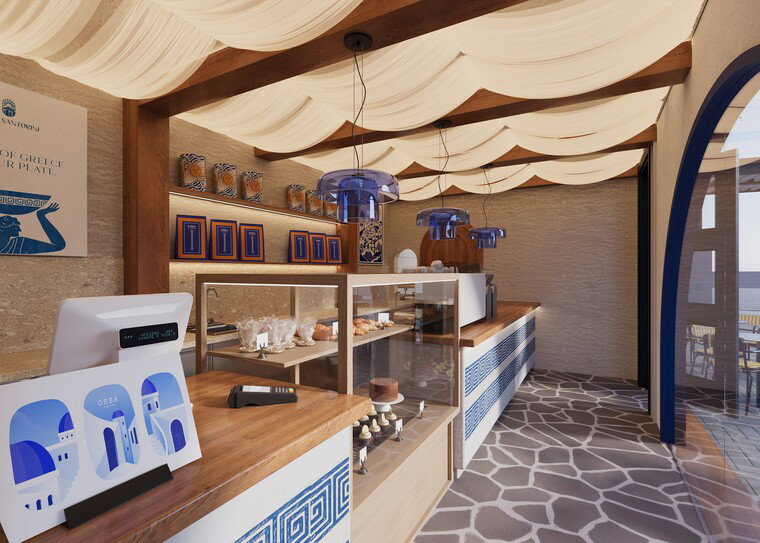
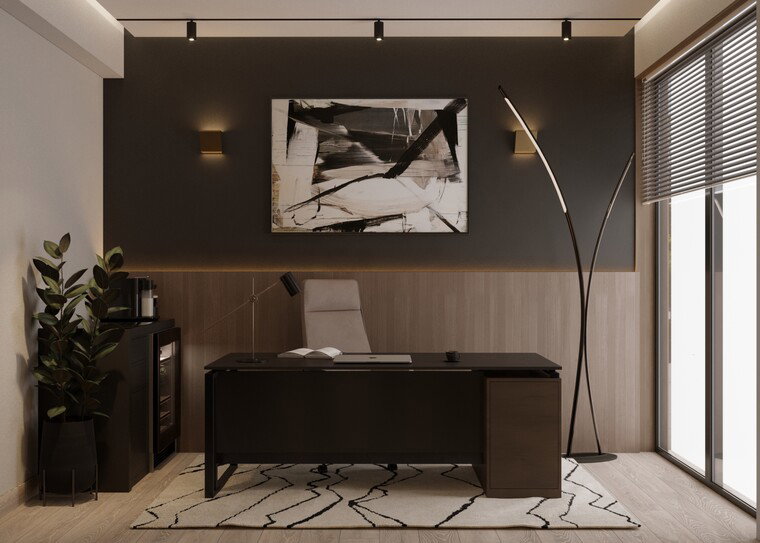
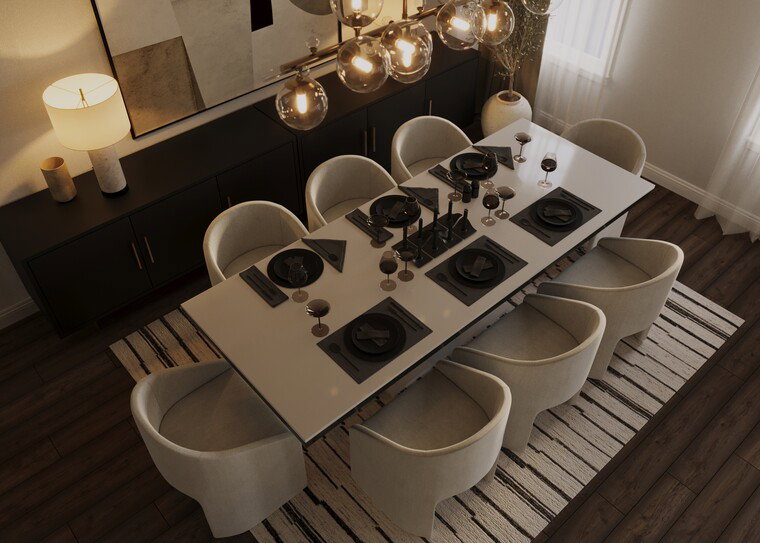
Ahmed is an architectural and interior designer known for creating refined, experience-driven spaces that balance functionality, atmosphere, and timeless aesthetics. His work spans a diverse range of residential and outdoor projects, with a strong focus on thoughtful detailing, spatial harmony, and visual storytelling.
With a sharp eye for composition and materiality, Ahmed brings concepts to life through high-end visualization and carefully curated design solutions. His approach combines contemporary design principles with a deep understanding of how people interact with space, resulting in environments that feel both elegant and inviting.
Passionate about blending architecture, interiors, and landscape design, Ahmed aims to create spaces that are not only visually compelling but also emotionally engaging and deeply livable.
From where do you draw most of your inspiration?
Design is about the perfect fusion of passion and knowledge. Being an artist for my whole life has taught me to view things more deeply. I find my inspiration within stories, movies or a song that vibes along with the project.
We know you love designing, but what about it do you love most?
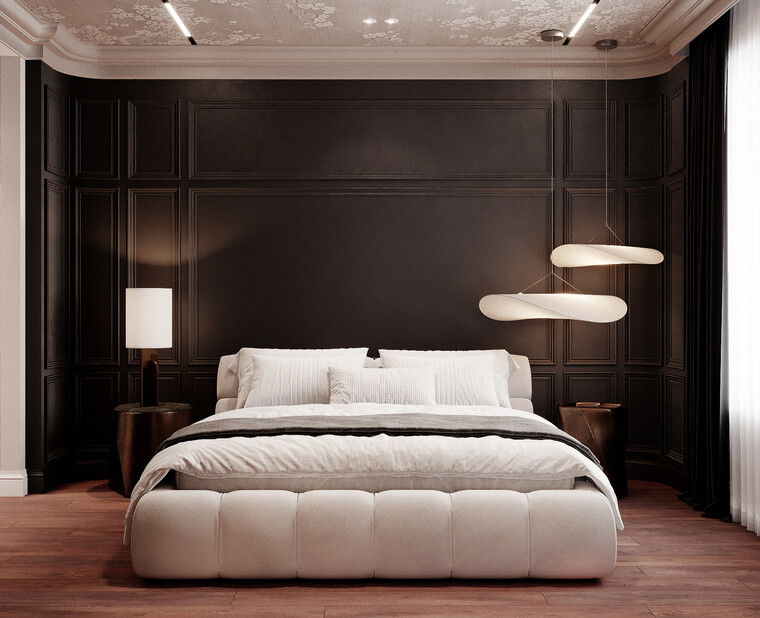
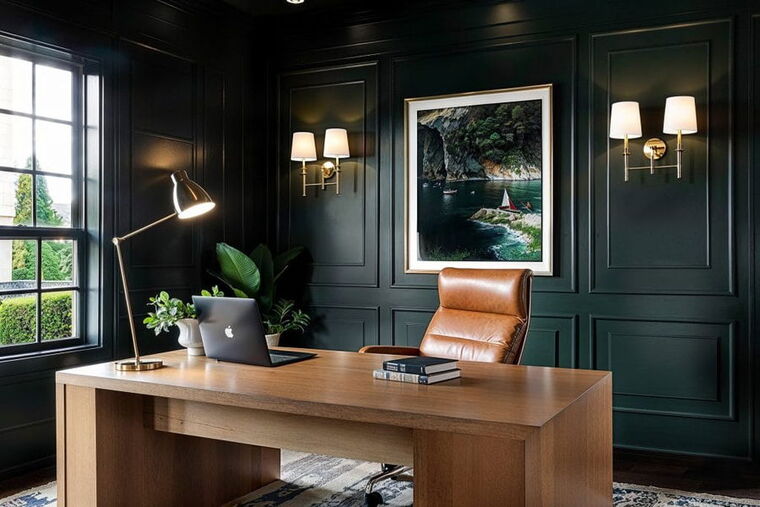
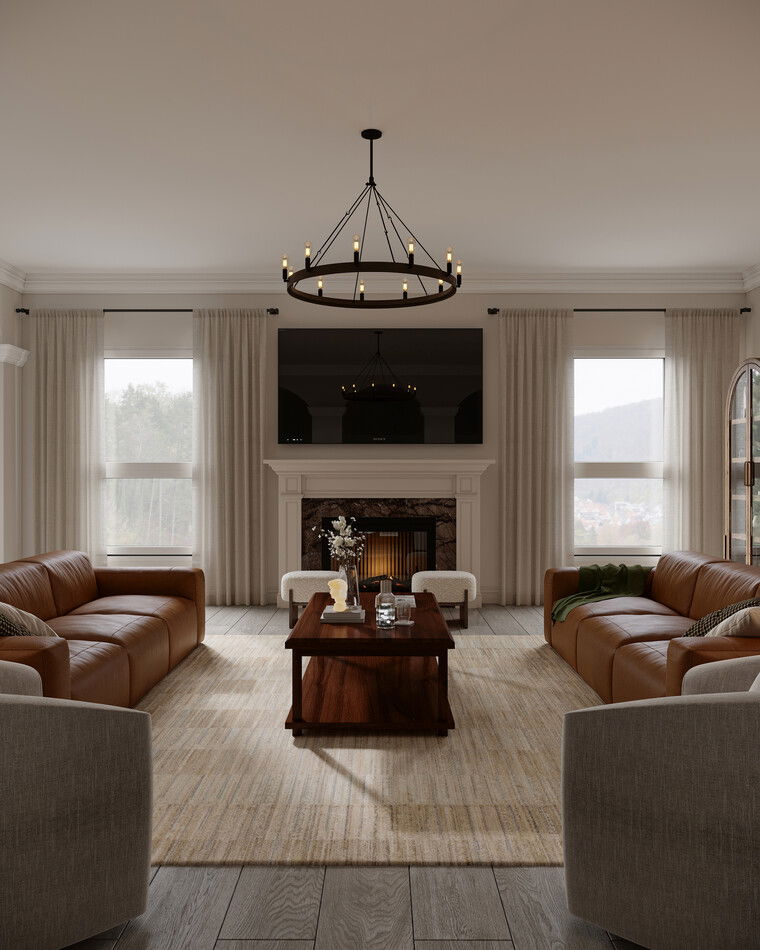
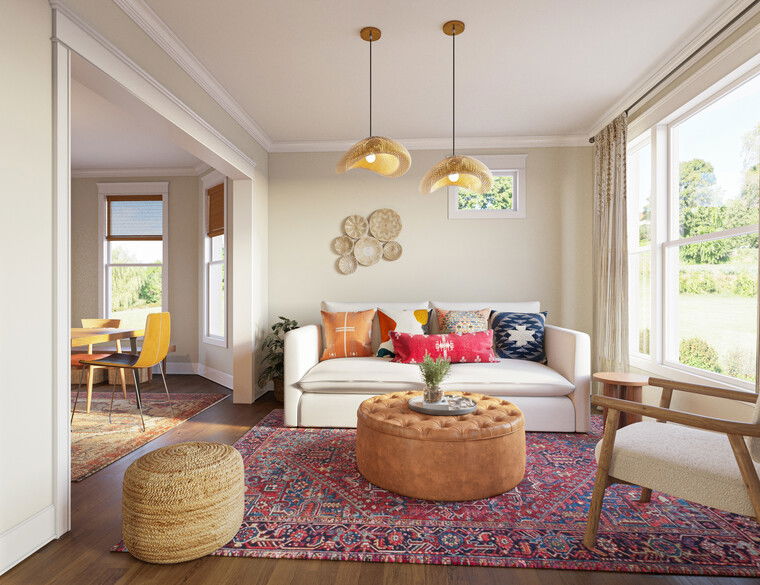
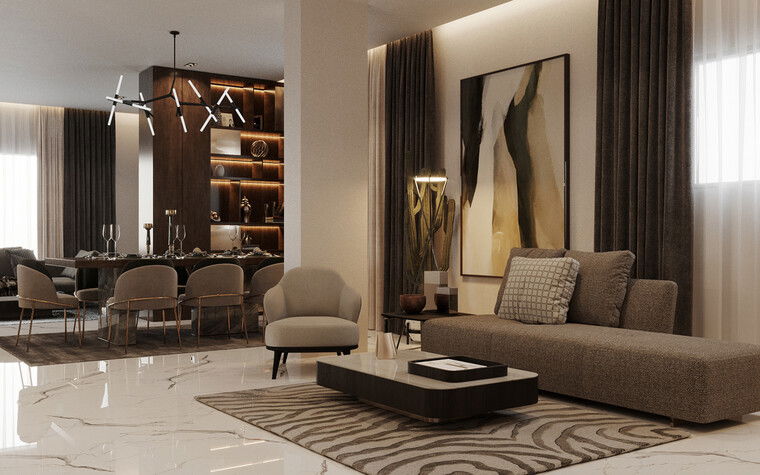
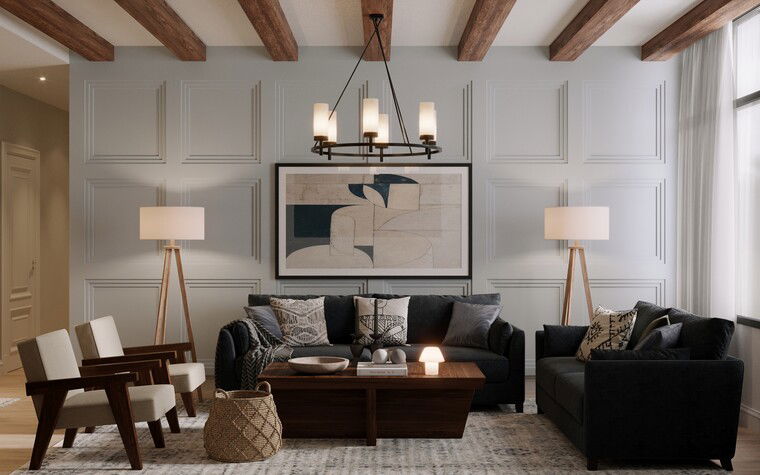
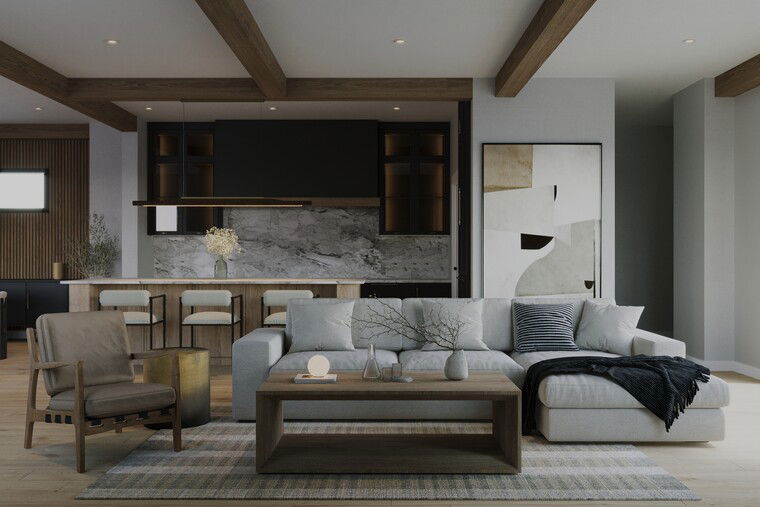
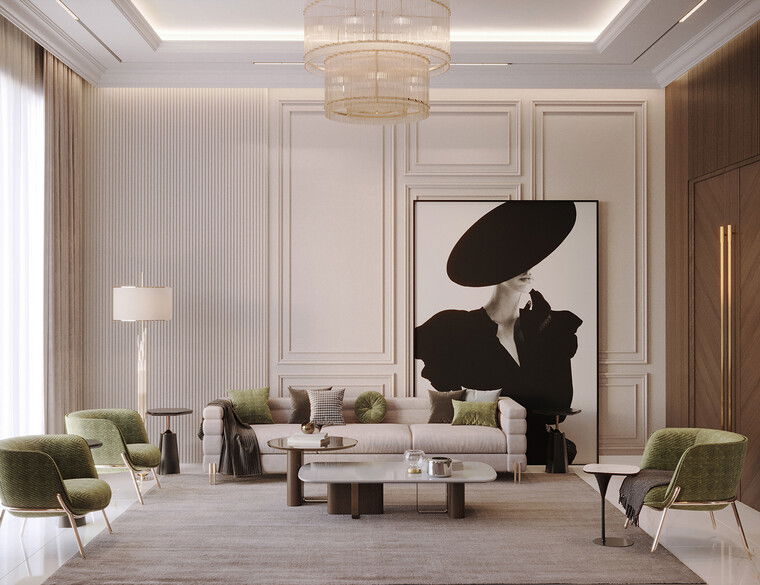
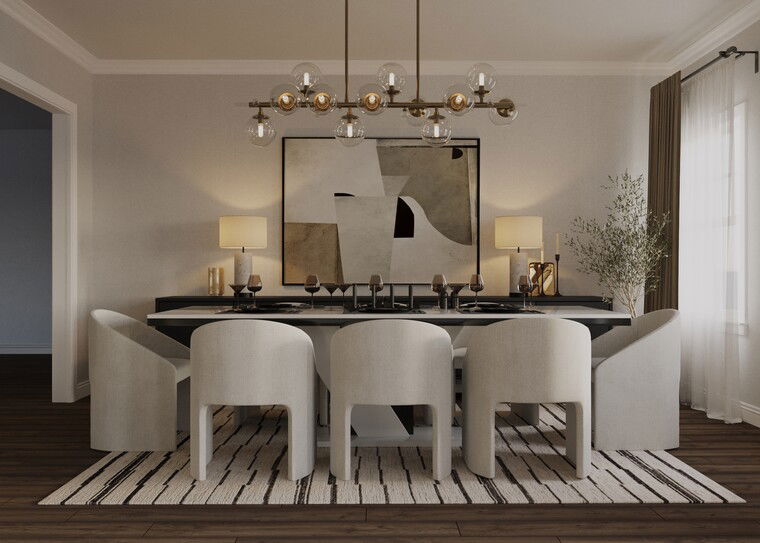
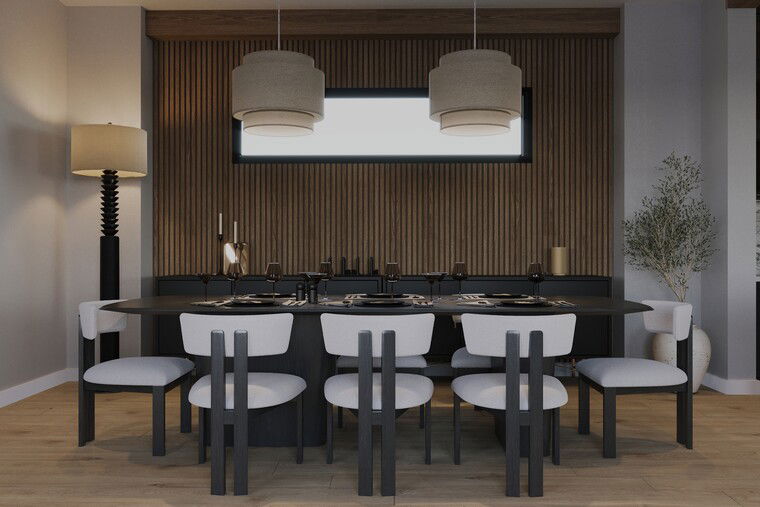
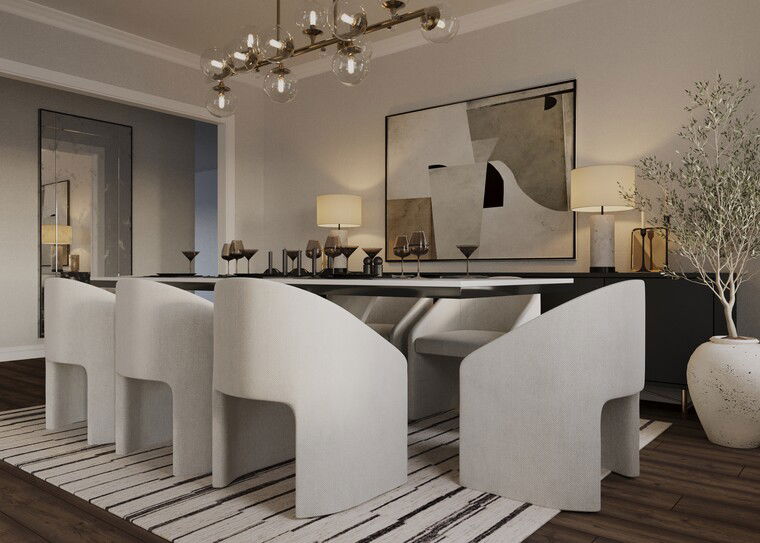
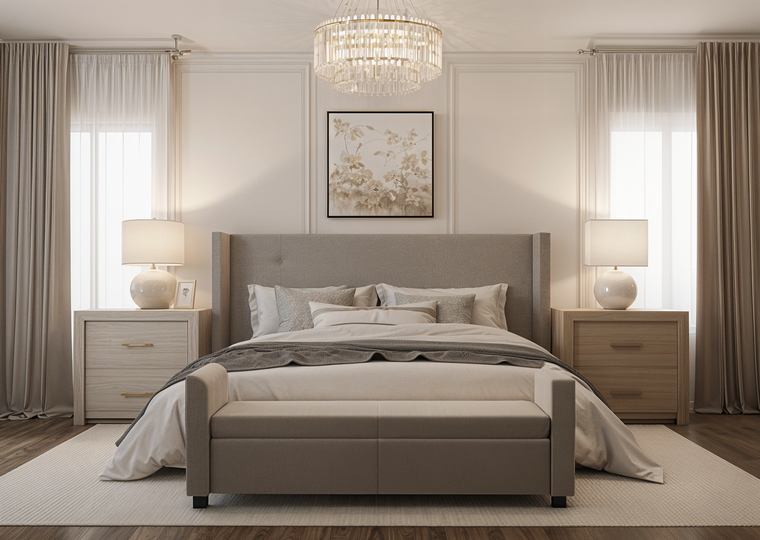
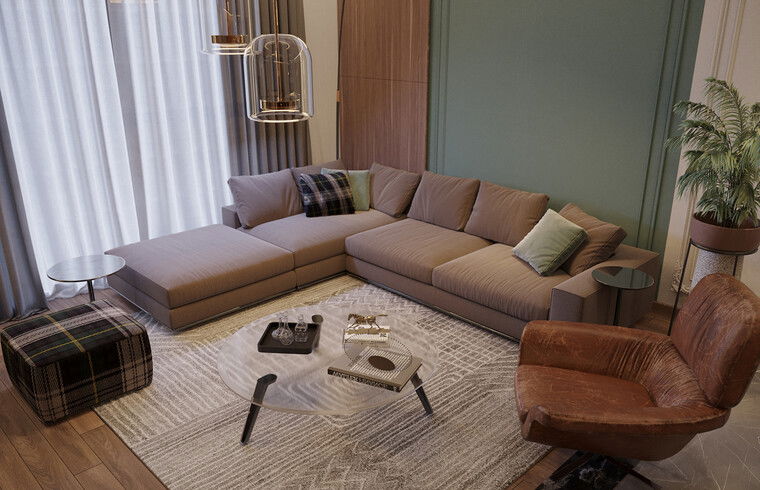
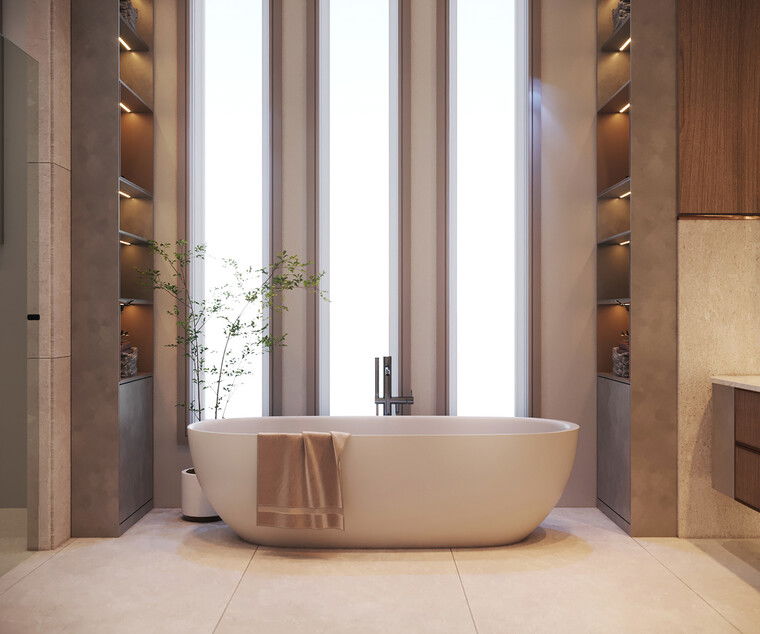
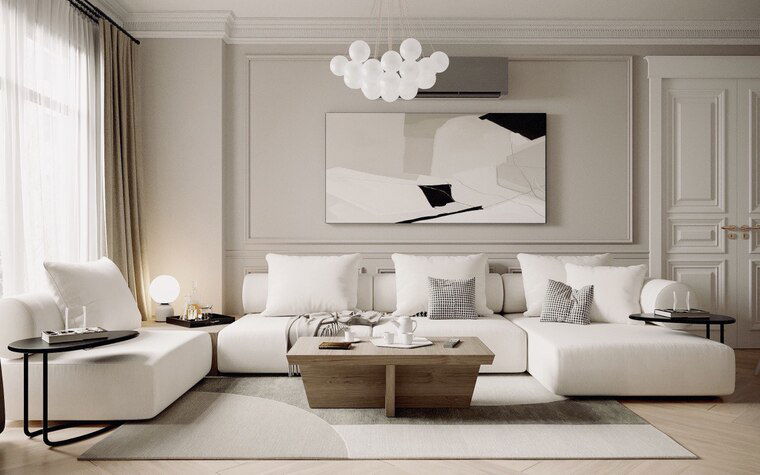
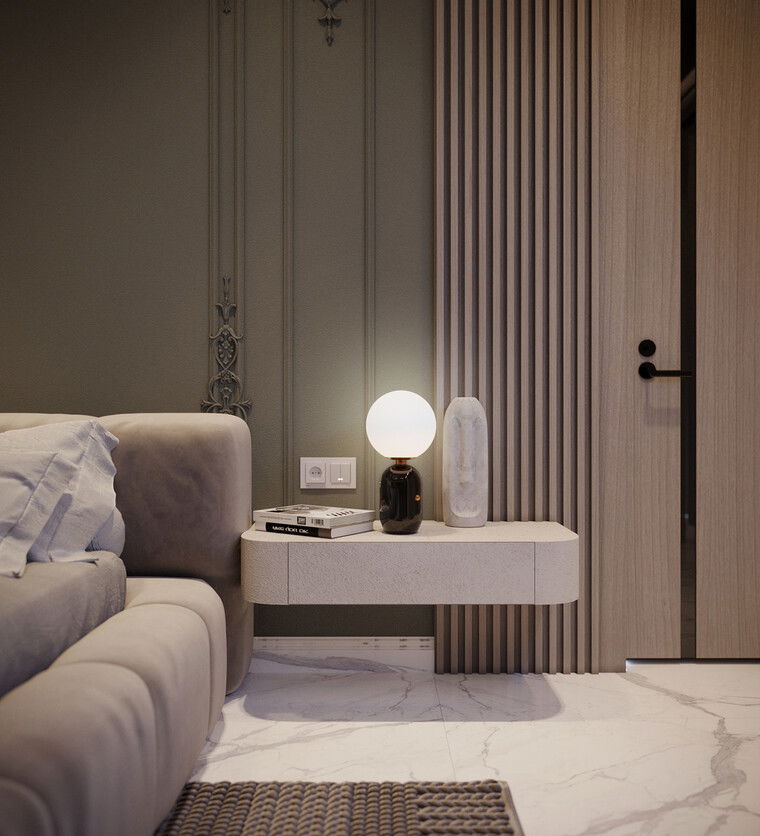
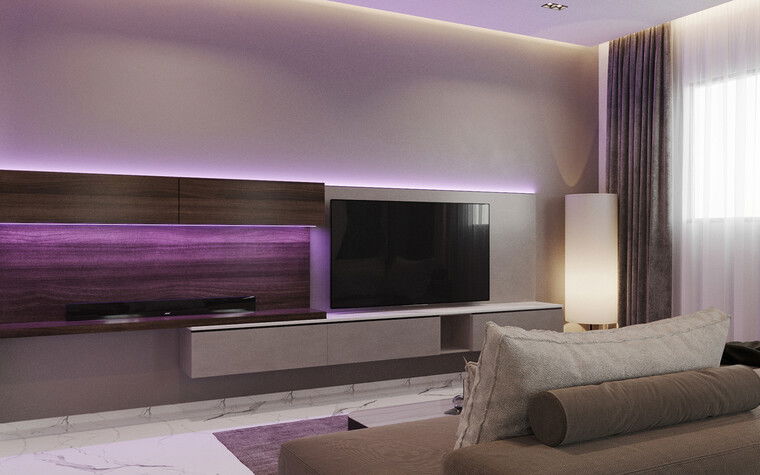
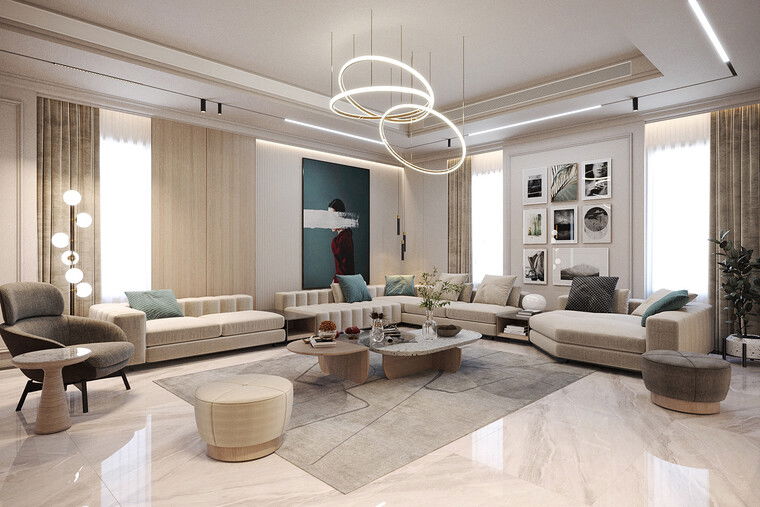
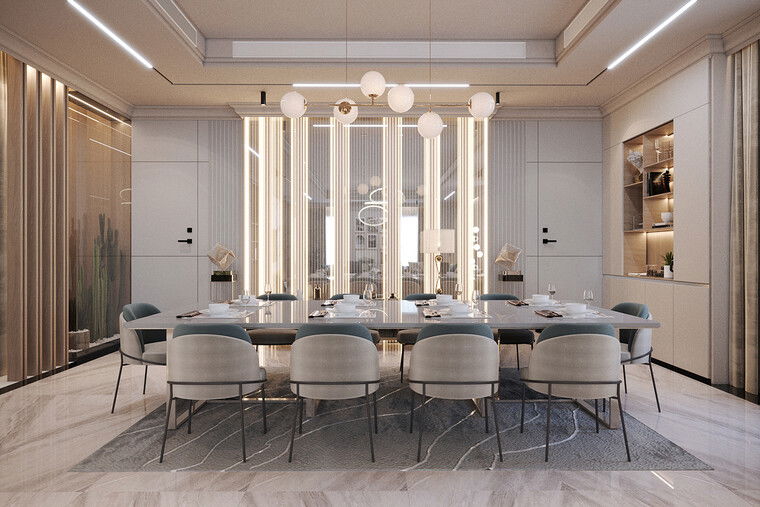
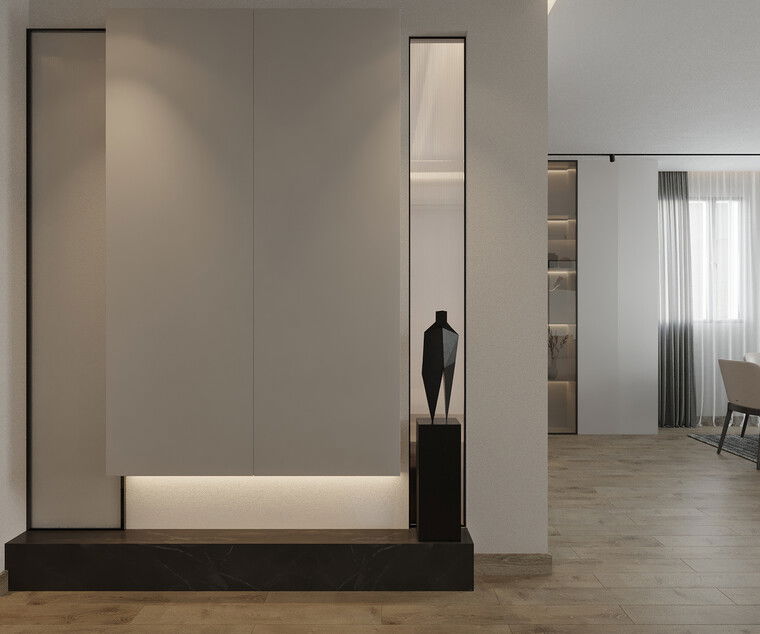
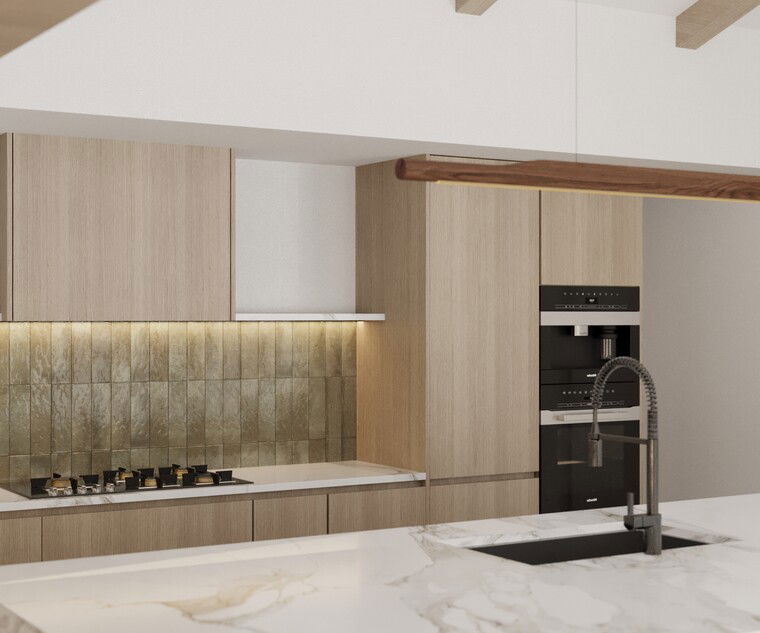
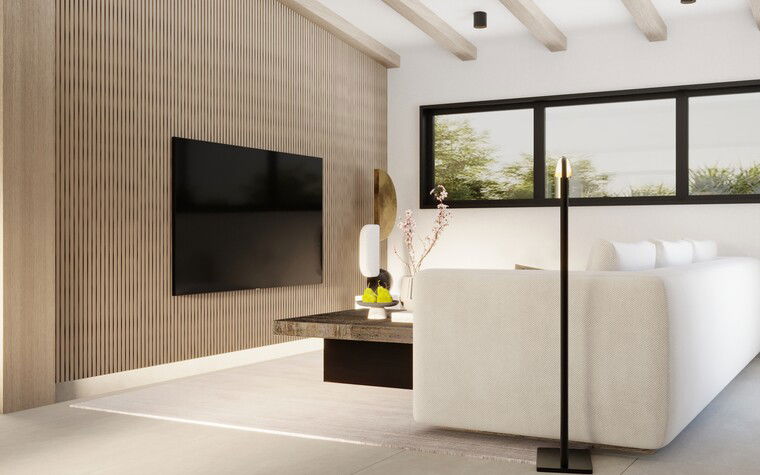
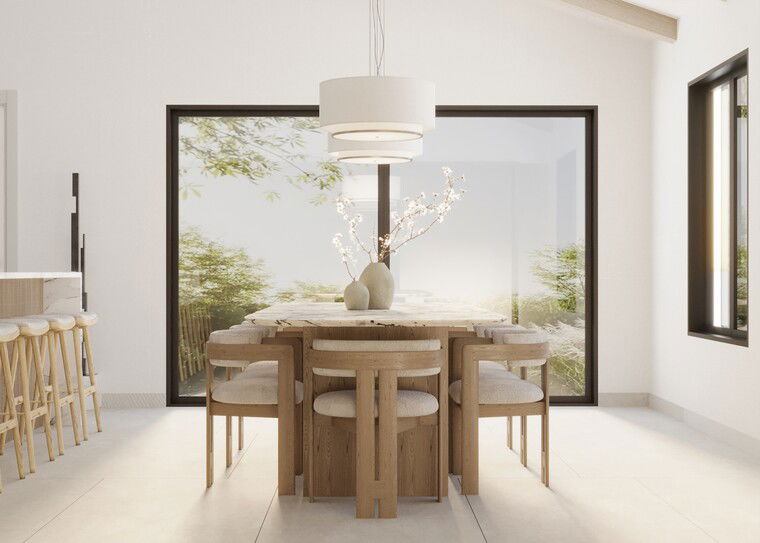
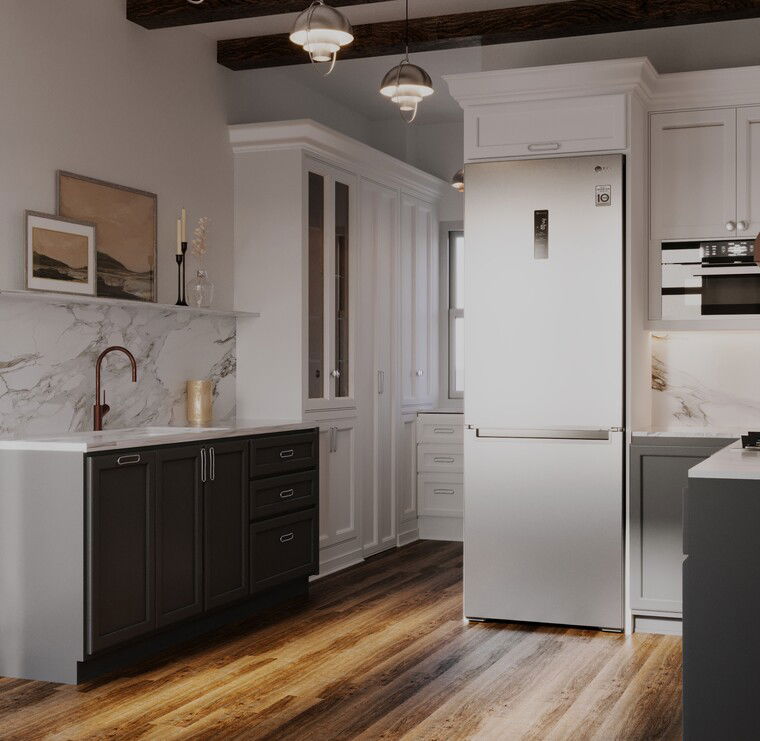
My go-to style is contemporary and refined, with a strong focus on creating spaces that feel warm, timeless, and connected to nature. I like combining clean architectural lines with soft landscaping and layered textures to create an atmosphere that feels both elegant and comfortable.
I’m particularly drawn to designs that balance aesthetics with functionality. Spaces that encourage relaxation, social interaction, and everyday living. I also pay close attention to lighting, material selection, and planting composition to create spaces that feel cohesive and immersive rather than overly decorative.
Overall, I’d describe my style as modern, natural, and experience-driven.
What’s your prediction for the next big trend in design?
I think the next major design trend will be spaces that feel emotionally restorative rather than just visually impressive. We’re already seeing a strong shift toward wellness-focused, biophilic, and highly personalized environments where design is meant to improve how people feel and live every day.
There’s also a growing movement away from overly staged “Instagram interiors” toward spaces that feel authentic, lived-in, and emotionally connected to the people using them.
Style
- Contemporary
- Transitional
- Eclectic