


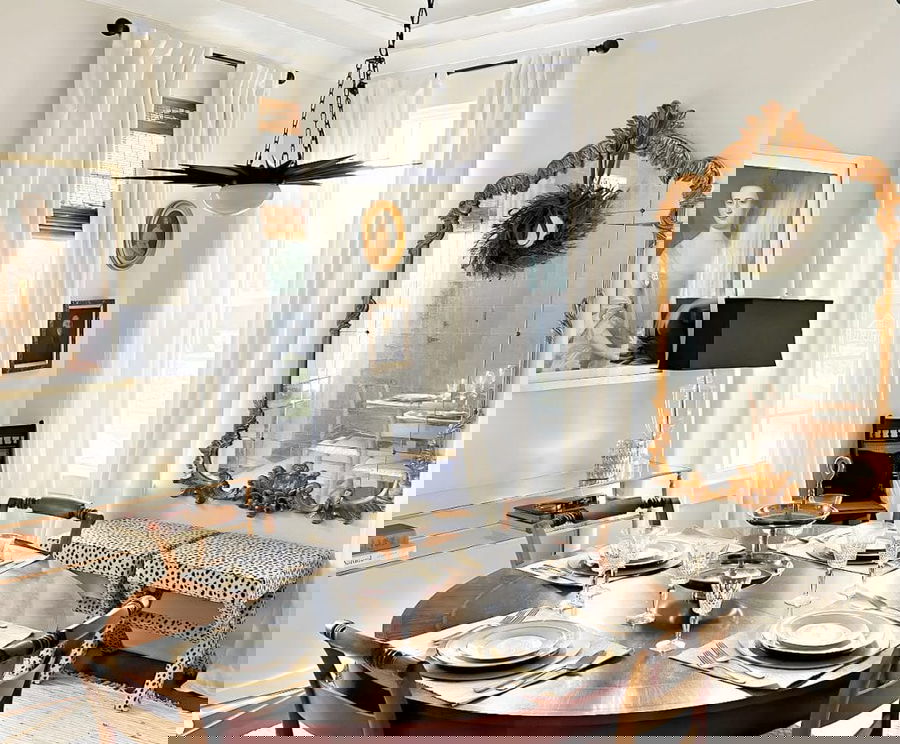
If your room feels incomplete, the answer might be simpler than you think: curtains. Often overlooked, the right window treatments can completely transform the vibe of a space. To help you achieve a perfectly styled look, we spoke with interior design expert Valerie Darden, who shared her top tips on how to hang curtains and style them to elevate any room.
Prep for Hanging Curtains: The How-to-Hang-Curtains Basics
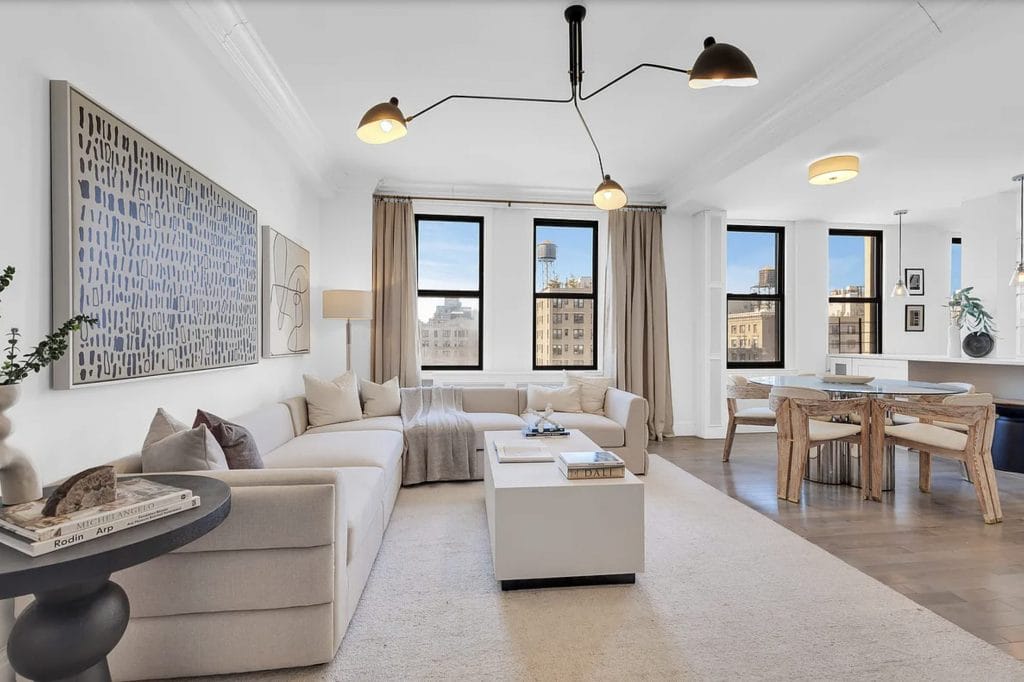
Much like choosing a rug, learning how to hang curtains is an essential part of anyone’s journey into owning or renting property. Now, to hang curtains may seem like a simple job (which it is), but you have to know what you’re doing.
For one thing, after you choose your curtains, it helps to also get the right tools. You’ll also need to get the measurements just right. Once you’ve familiarized yourself with the basics of installing curtains, the process will go far more smoothly.
Tools for Installing Curtains
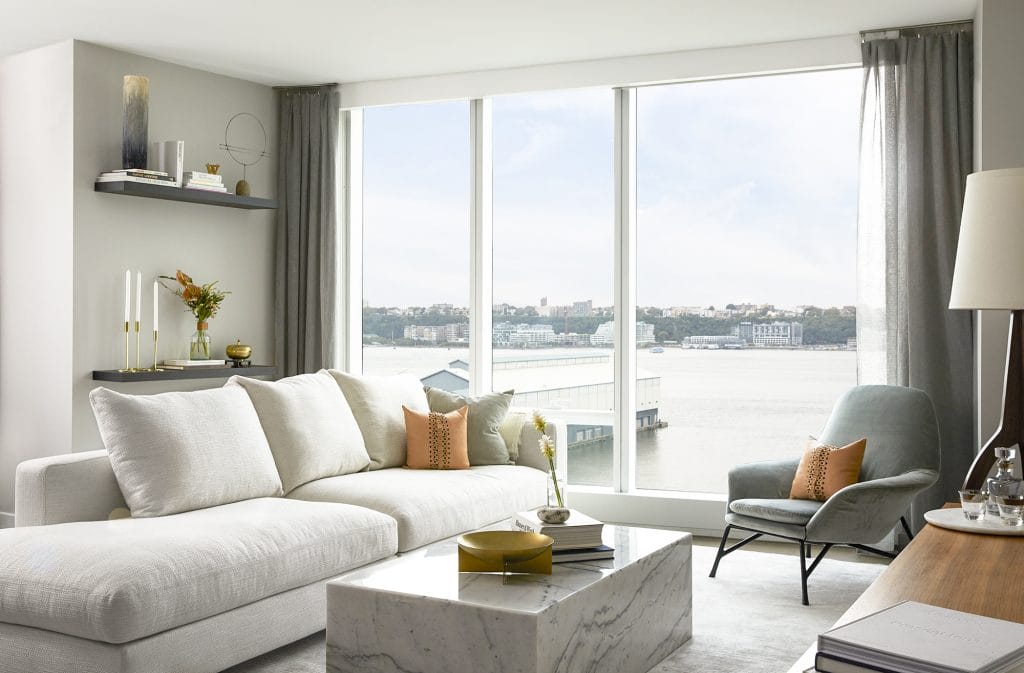
There are steps to take before considering how high to hang curtains, including all the tools and materials you need on hand. Afterward, you can play around with drapery styling according to interior design trends. Until then, get the following ready before you attempt to hang any new drapes:
- A pencil and notebook for noting down curtain lengths, width, and marking anchor points on the wall.
- A tape measure to measure the width and height of a window, as well as the height of the ceiling.
- A sturdy ladder to reach beyond the top of the windows.
- A pair of safety glasses to protect your eyes from drill dust.
- A drill, plus a suitable drill bit for the curtain rod’s anchor holes.
- A stud finder to locate framing studs in wood buildings.
- Enough and a few spare wall anchors to secure the curtain rod to the wall.
- A level (laser or bubble can work) for ensuring the curtain rod is straight.
- Your curtains, the curtain rod, as well as any other drapery accessories.
- A clothing iron or steamer to straighten any kinks in the curtain fabric.
How to Measure for Curtain Placement
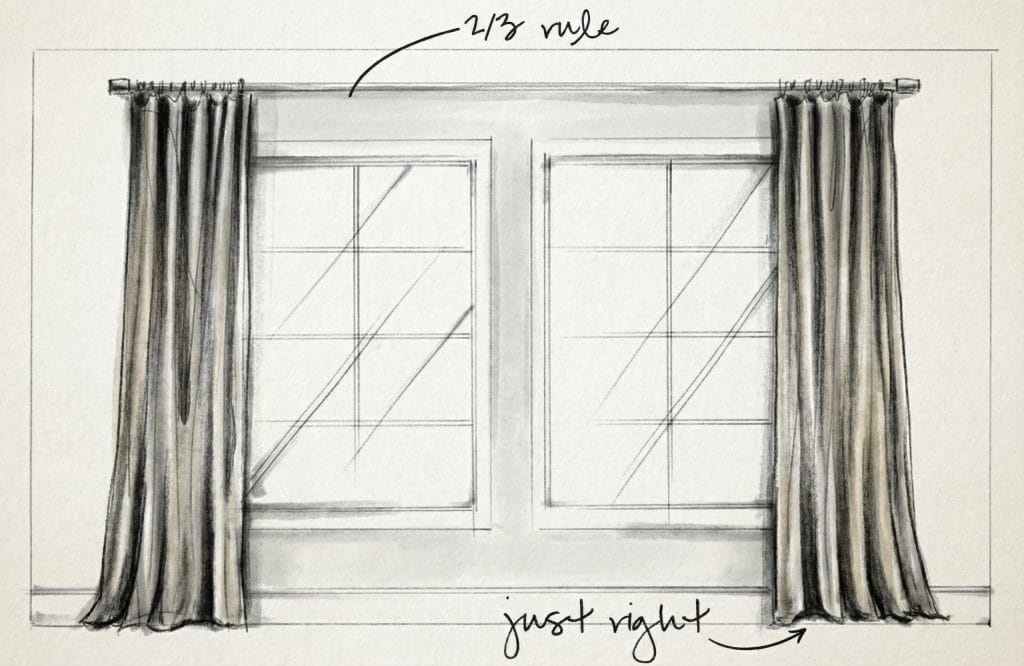
Before even looking into what drapes you like and curtain hanging options, take the correct measurements. It’s important to double-check your numbers a few times before committing the drill to the wall.
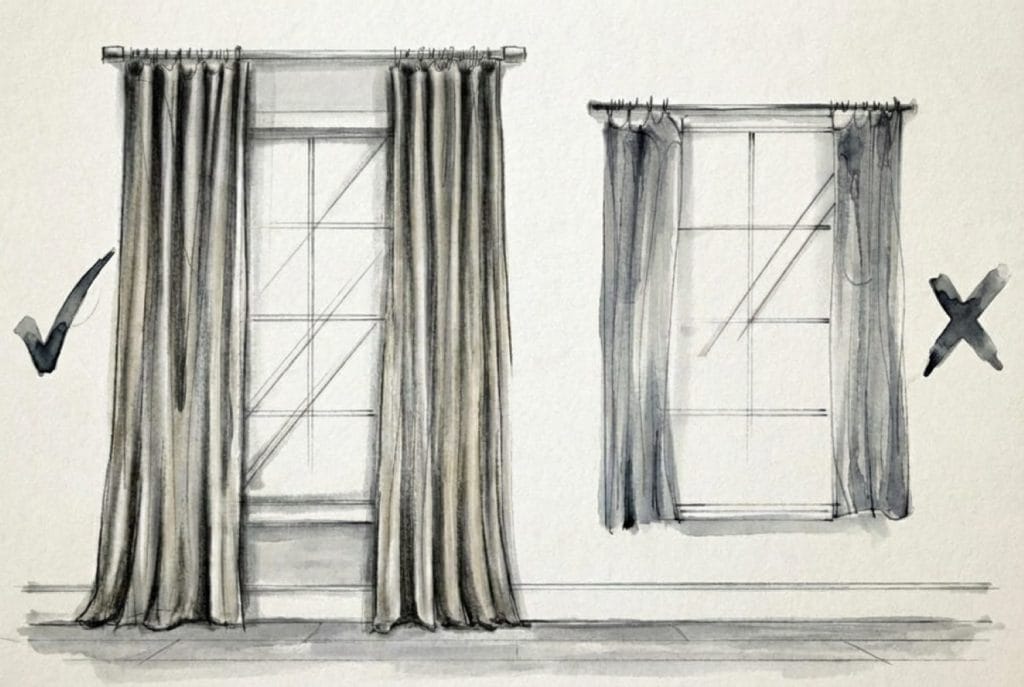
- Start by measuring all windows that require drapery.
- In order to see how long a curtain rod needs to be, add 8 to 12 inches to that measure on either side. You want a curtain rod to extend beyond the sides of the window.
- To find how high you need to install the hardware, measure the space between the top of the window and the ceiling. The curtain rod should sit two-thirds of the way to the ceiling, and depending on the ceiling height, this can translate to between 4 and 10 inches. Sometimes, crown molding or the ceiling may prevent you from hanging the curtains close to the ceiling. In these cases, place it as high as possible. For a more dramatic effect, get longer than necessary curtains to pool on the floor.
- Remember, a curtain panel must be wider than the width of the window. So, when shopping around for curtains, pick a width of two to three times wider than the window.
Pro Tip: Choose curtains that complement your design style! Not sure what yours is? Try our Free Interior Design Style Quiz to discover your ideal style today!
Pro Tips on How to Hang Curtains
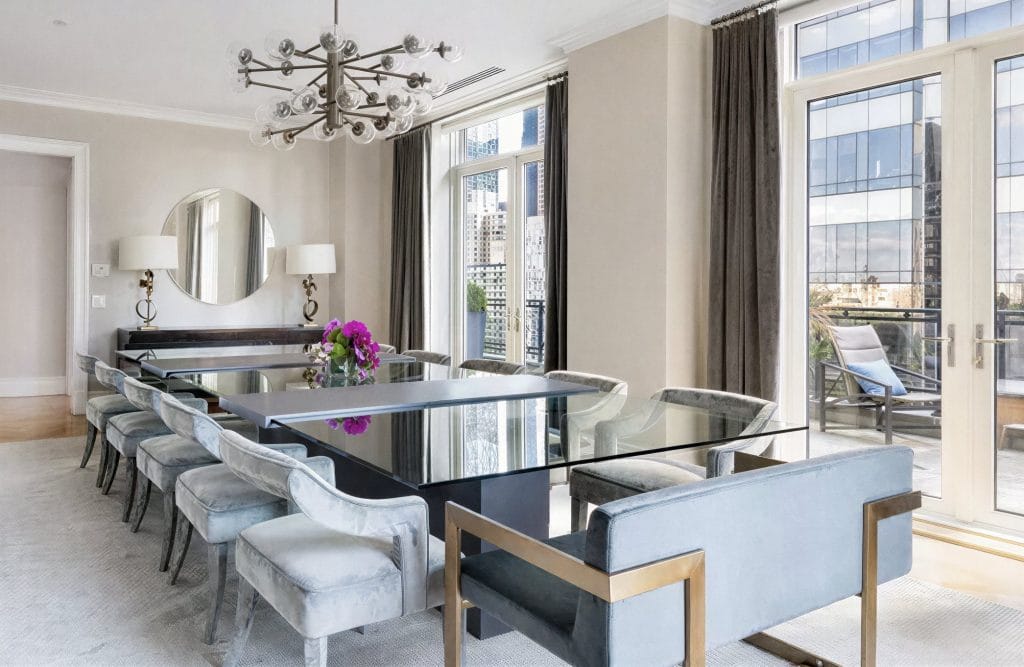
Curtains are far more than privacy-giving light blockers – they also add warmth, color, and texture to a room, amongst other things. In other words, window treatment ideas do a great deal more for your interior design than you may initially expect. Get the most out of your drapes with tips from the pros on curtain rod placement and how long to let curtains hang.
Curtain Rod Placement Hack for a Roomier Space
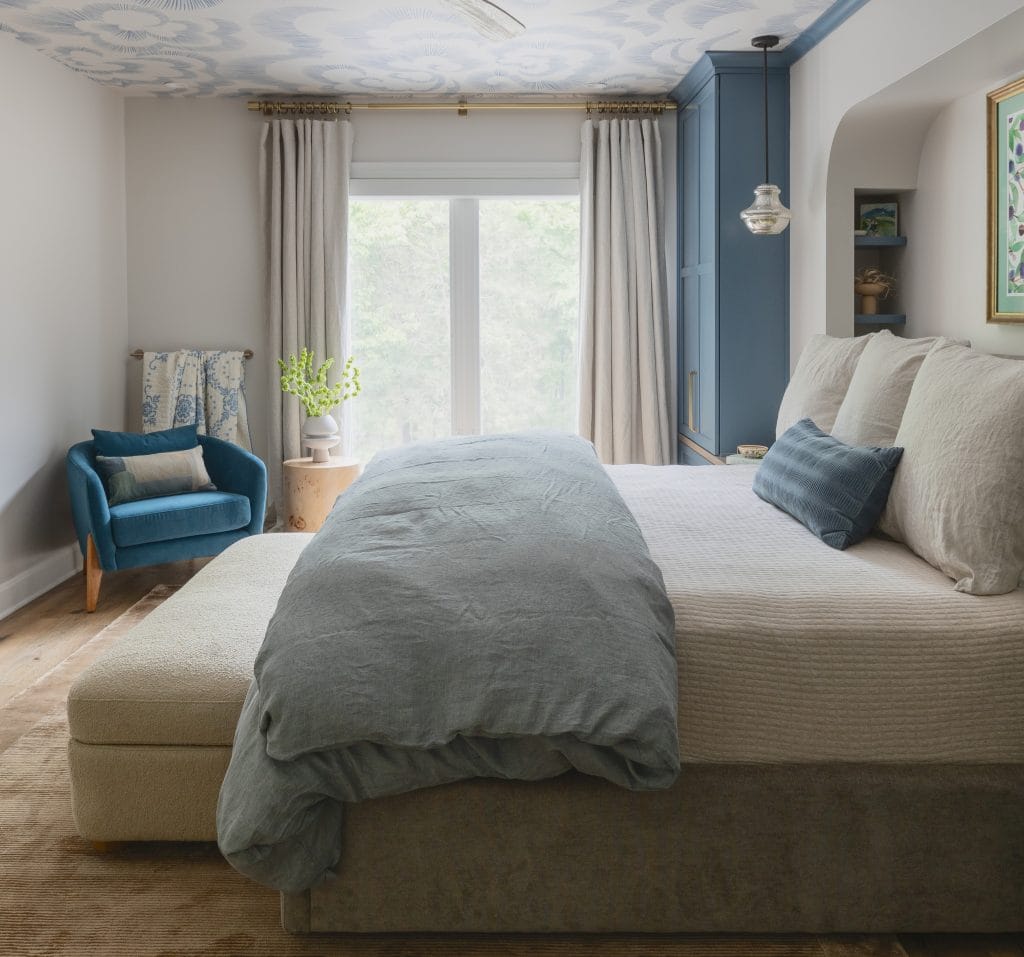
Depending on the height at which the rod is installed and where you subsequently hang curtains, it can create the illusion of a higher or lower ceiling. Interior designers recommend increasing the curtain rod height (i.e., installing it closer to the ceiling) for rooms that feel small. This particular placement makes the walls seem bigger, visually expanding the space.
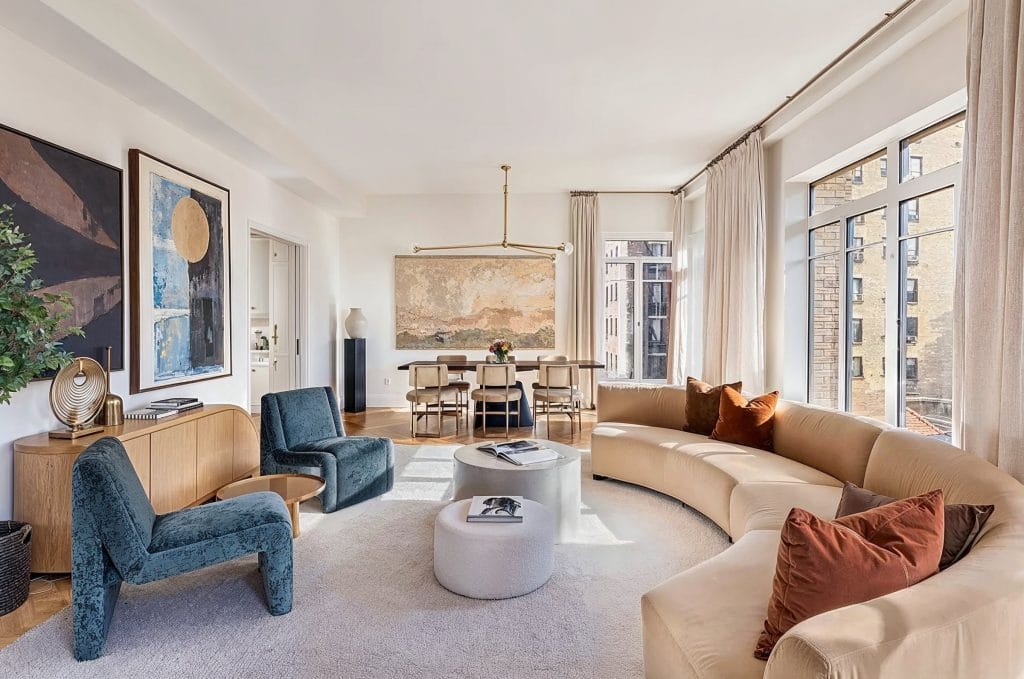
This is a trick that Valerie D., Decorilla designer and founder of Brexton + Cole, has been sharing with clients since the start of her career. “Many of my clients were buying homes for the first time – slightly older, more affordable homes built in the 70’s, 80’s, and 90’s that notoriously have lower 8-foot ceilings,” she says. “A key solution to making a room appear larger has to do with where we hang window rods and drapes.”
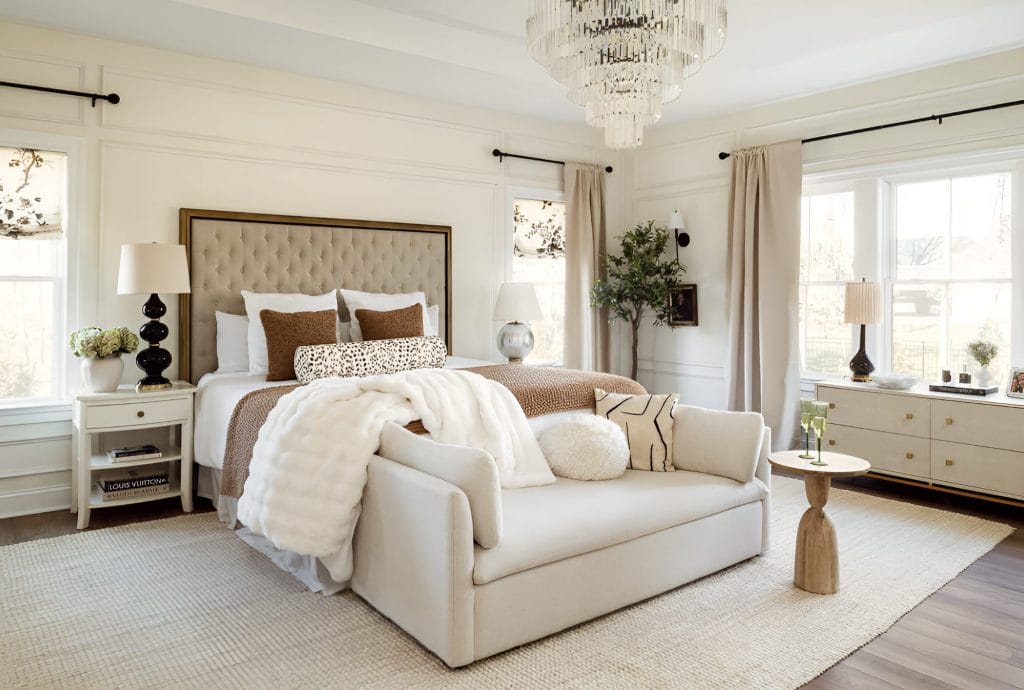
Her tried-and-true tip? “Hang window drapes about 4–6 inches above the window frame, or at least halfway between the window and the ceiling. Hanging the drapes higher than the frame draws the eye up and makes the windows appear taller and rooms more spacious.” Valerie also recommends extending the rod 6–10 inches beyond each side of the frame. “This will cause the curtains to cover more wall space, and the window itself will seem larger than it actually is.”
How long should curtains hang?
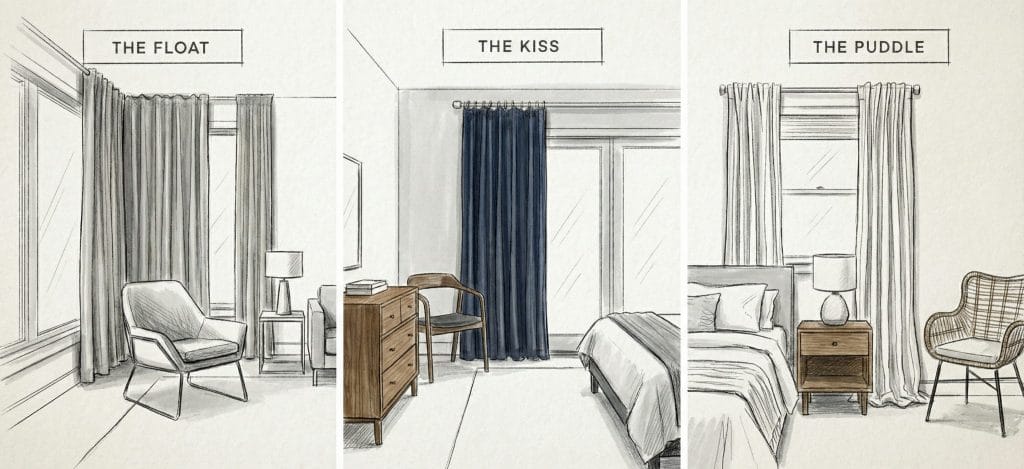
For a classic yet practical look, opt for a curtain placement where the drapes only slightly kiss or hover just above the ground. Curtains should float less than an inch from the floor, as drapes that are too short by a couple of inches look tacky. This applies doubly if you’re transforming a double-height living room. Some puddling is ideal for creating a soft, romantic look. However, keep in mind that this will lead to the curtains becoming dirty faster.
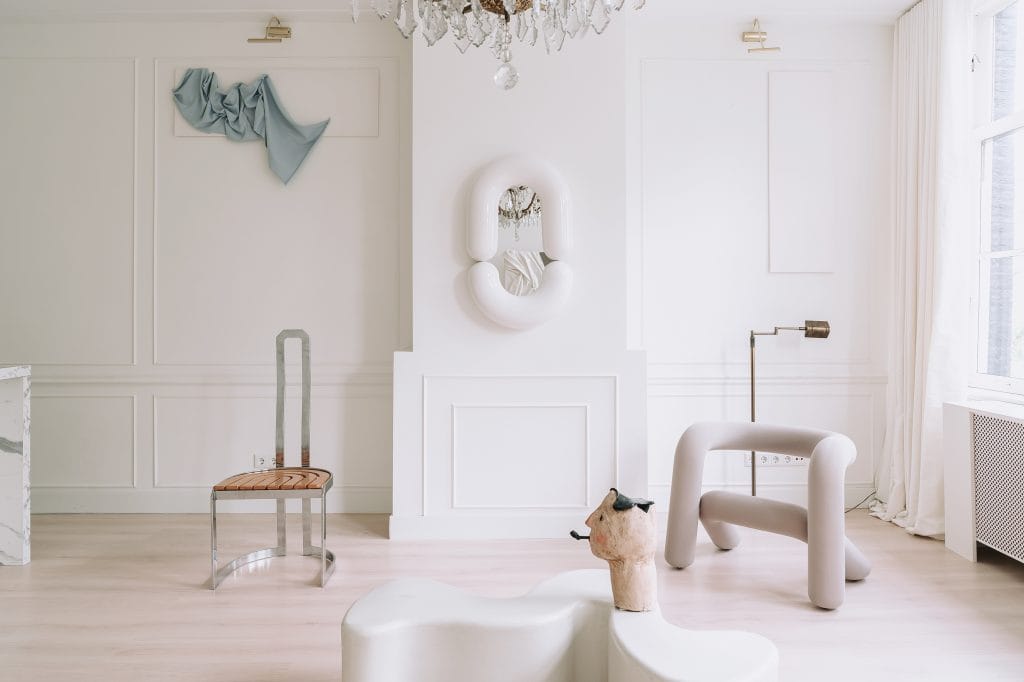
Our designer, Valerie, agrees that length is just as important as height. “When curtains are long enough to touch the floor, they create an unbroken line from ceiling to floor,” she explains. “This exaggerates the room’s vertical size.” By contrast, she warns, “shorter curtains will also shorten the height of your walls and make the entire room look more compact. It’s all about eye tricks!”
Curtain Styling Advice
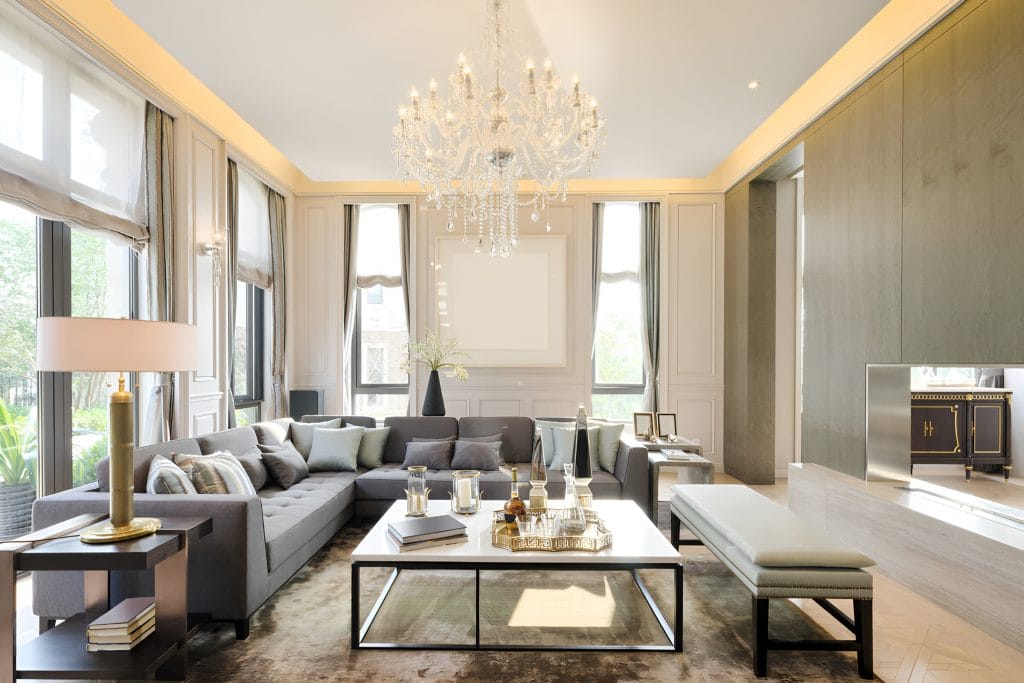
Before setting out to buy curtains and hardware for a room, consider tips from interior design industry professionals. After all, you want to enjoy the best results possible. Be patient in finding the right items, do your research, and your desired look will come together beautifully.
Take Your Time with Fabric Selection
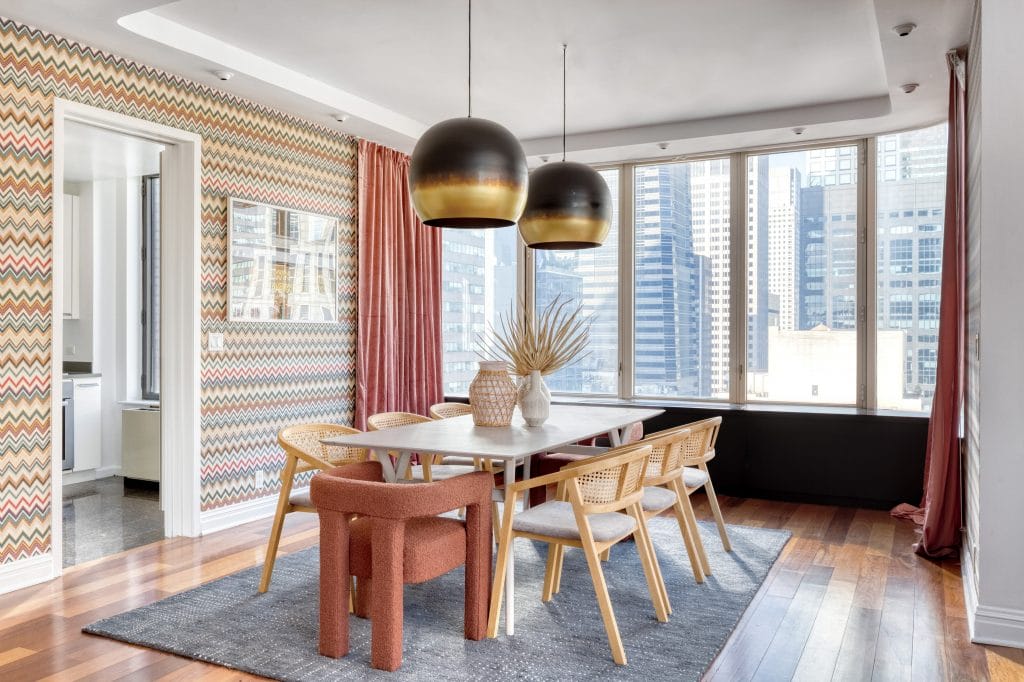
For those who desire tailor-made curtains, start by ordering samples of your favorite curtain materials. It’ll allow you to identify which fabric is best. Above all, you want your curtains to look nice and full, not limp and lifeless. Test your preferred fabrics by holding them at the top to see what shape they have while hanging.
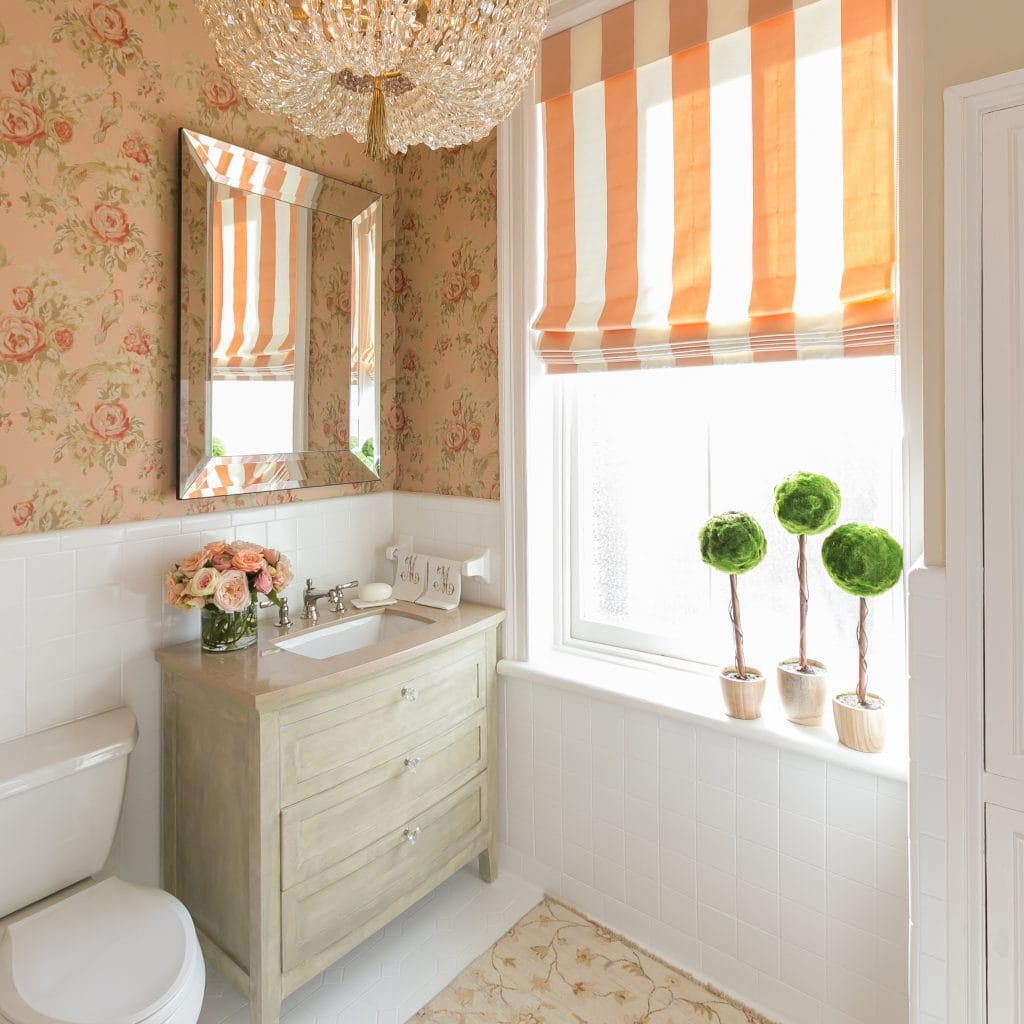
Also, ensure that your choice of fabric suits the intended space. Heavy fabrics are perfect for enhancing privacy, blocking light, and retaining heat. On the other hand, delicate materials allow more brightness and create a relaxed, cool atmosphere.
Pick Colors & Patterns Mindfully
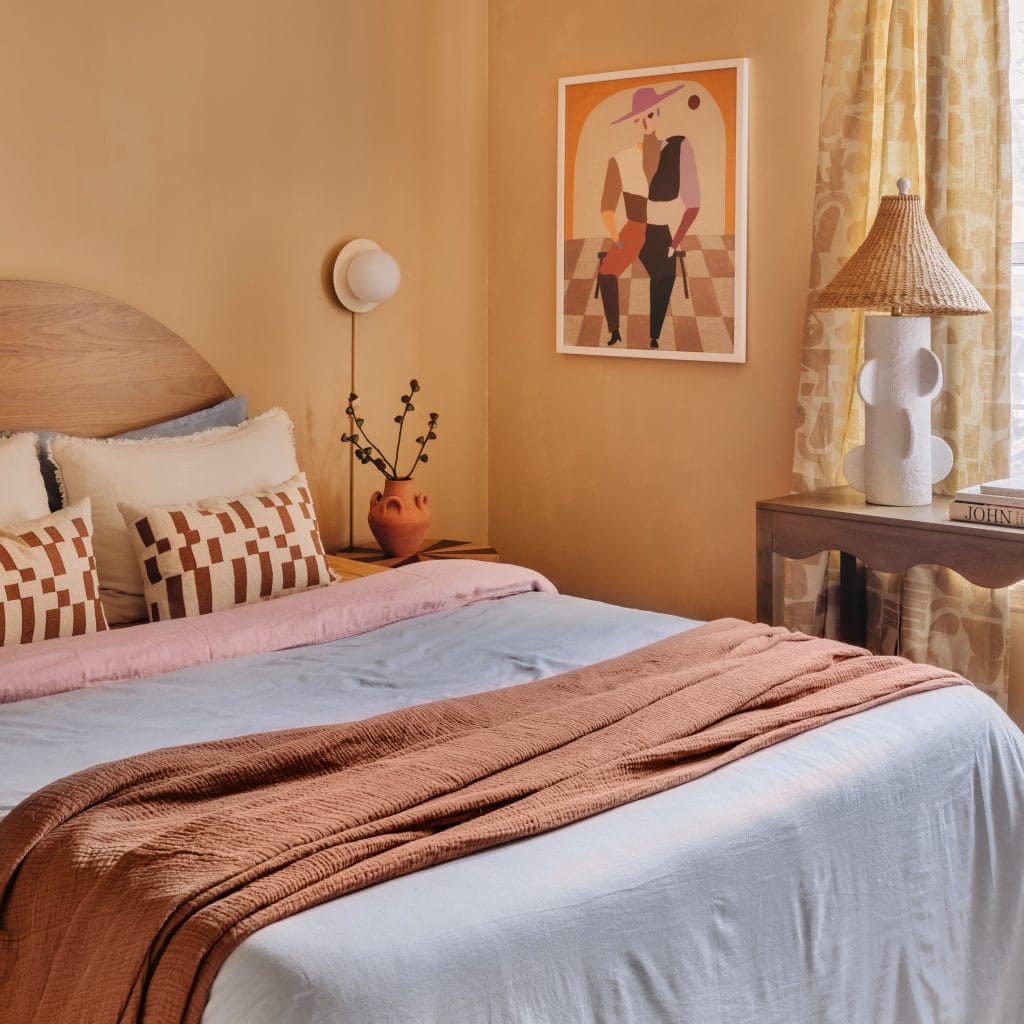
Curtains are one of the more enduring additions to a space, which is why it’s a good idea to choose something classic. Anything neutral and in a solid color is likely to remain in style for a long time. Don’t rush shopping for drapery. Instead, keep looking until you find fuss-free, timeless curtains.

Of course, you can hang colorful and patterned curtains – they’re just harder to pull off than neutral fabrics. Opt for bold colors or prints if you want the curtains to be a focal point.
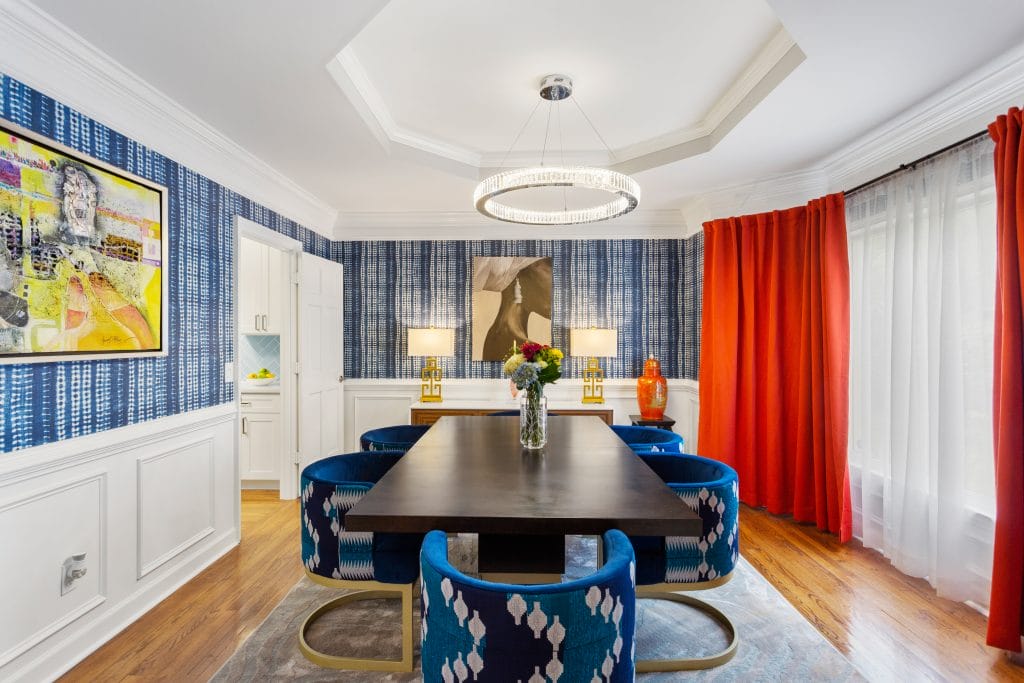
Damask, fleur-de-lis, and Greek key motifs are great in luxe and formal interiors with a glam or transitional style. And for other casual styles, like boho or eclectic, chinoiserie, ikat, medallion, or paisley patterns are perfect. Even French Country or shabby chic designs can benefit from a pattern. Toile and florals are among the many motifs to fit these romantic interiors.
Choose Hardware to Fit the Room
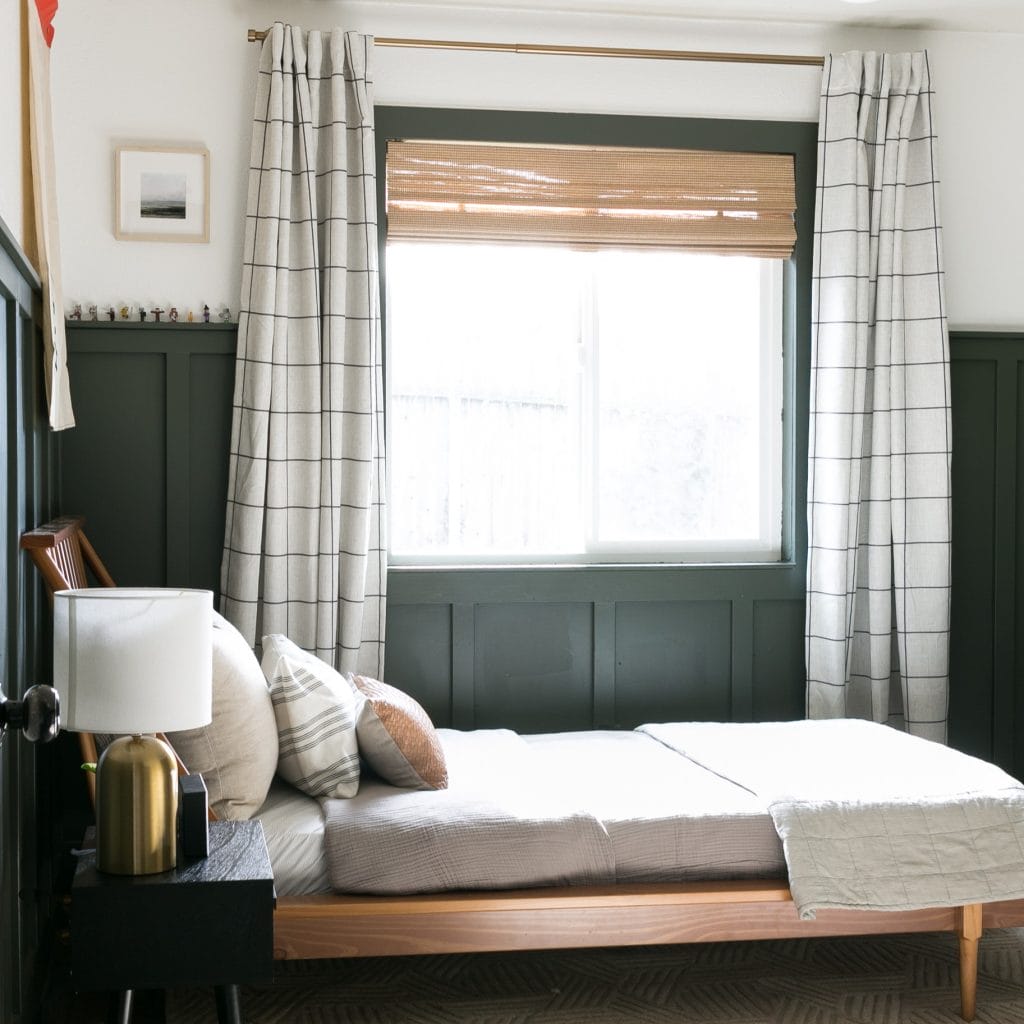
You want curtain hardware and accessories to not only go well with the space’s existing accents but with the drapery and its fabric as well. For example, sheer curtains pair well with slim rods, while heavy curtains pair well with thicker rods. Try to procure hardware in a similar material to any wooden or metallic finishes in a room.
How to Hang Curtains Per Room
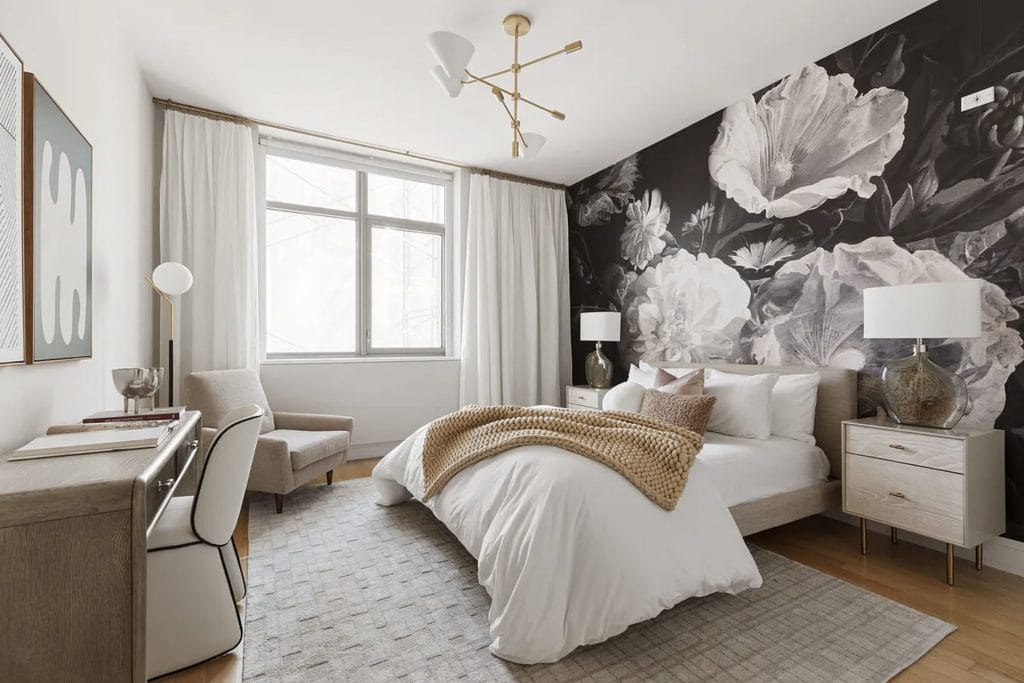
Curtain styling has a substantial impact on an interior’s overall look and feel. Apart from perfecting the curtain rod height, you must also choose the best style and type of window dressing per room.

First, consider the following aspects: level of privacy, amount of light, temperature, and décor. Heavier drapes will ensure privacy, block out light, retain warmth, and provide decoration. Lightweight curtains, on the other hand, are great for a warmer climate and to let in natural light.
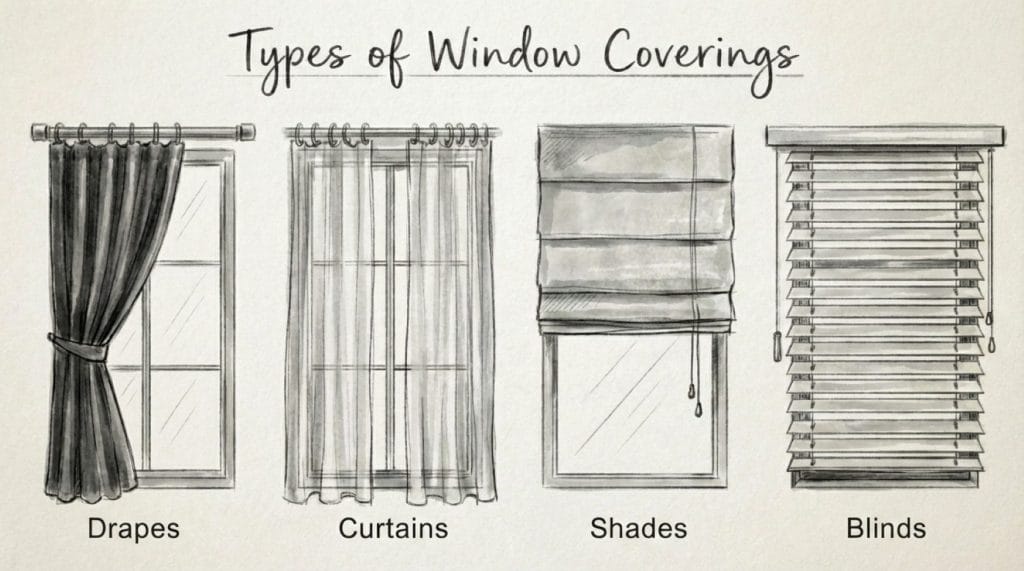
Not all window coverings consist of soft material. Of course, blinds, screens, and shutters feature too, but for this guide, we’ll only focus on fabric curtains and hanging options. Less decorative and more functional options include roman and roller shades – great for kitchens, bathrooms, or as a base layer.
Curtain Heading Styles
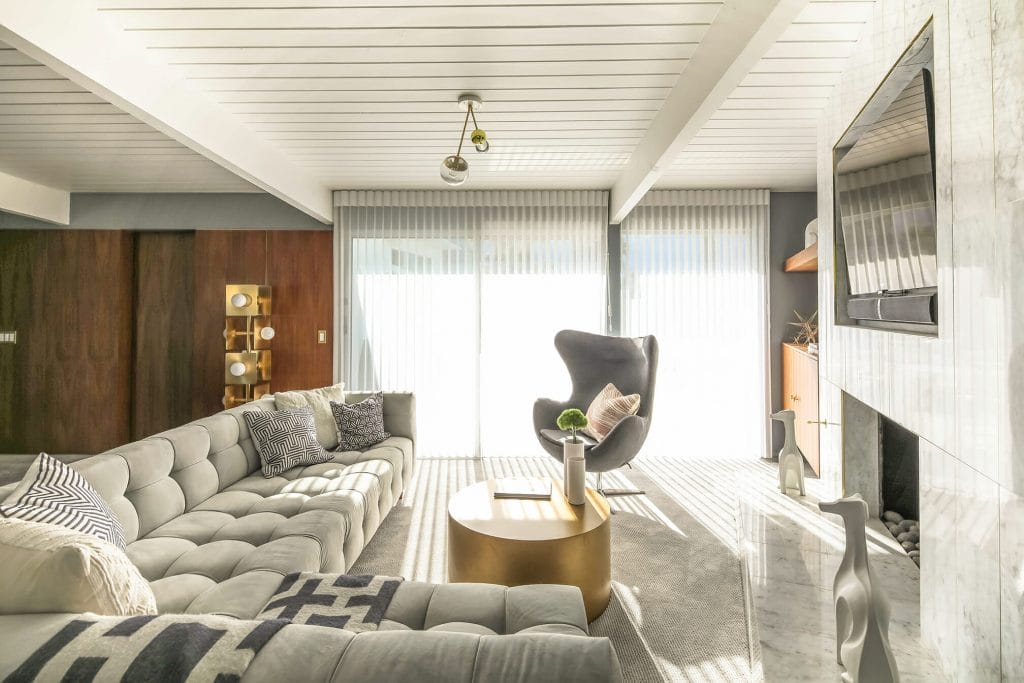
Curtain heading styles include curtain rings, pinch and box pleats, goblet, eyelet, tab top, and tie top. Rod pocket is another curtain style that looks great but is less practical and best suited to small windows or in-frame café curtains.
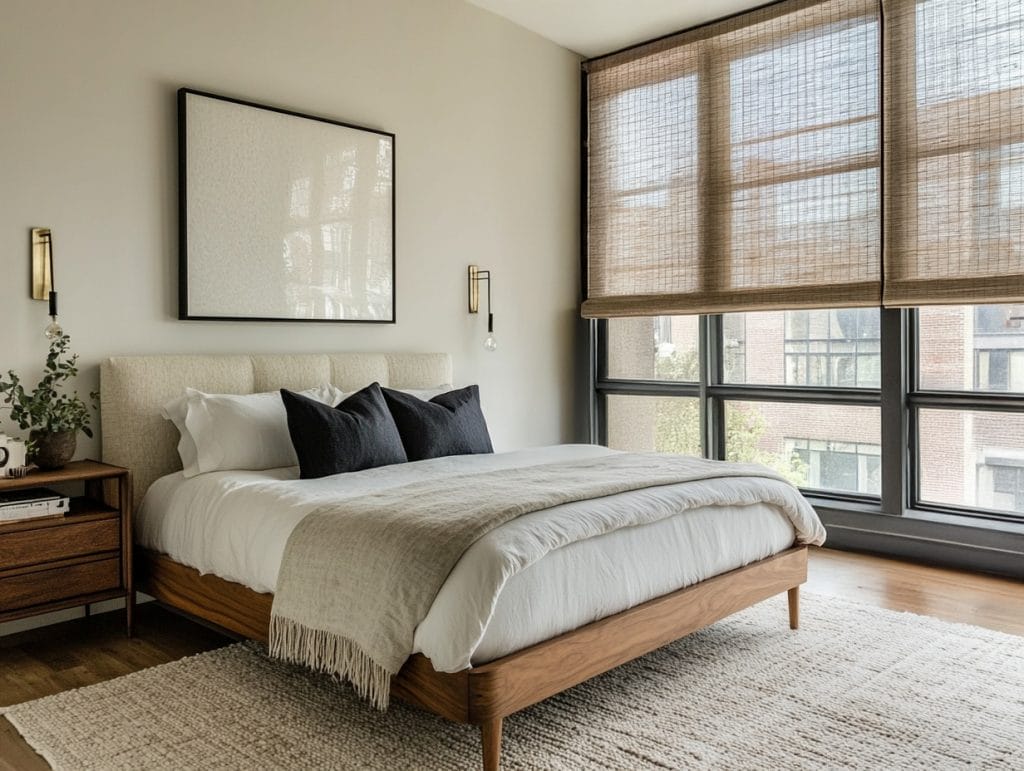
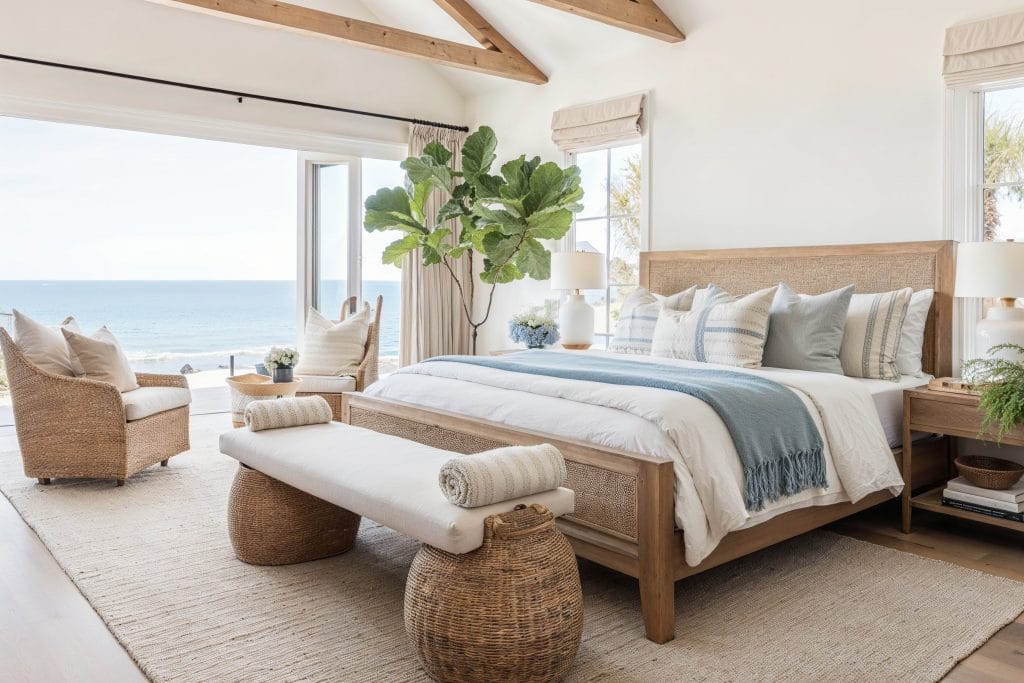
Armed with this guide, you can select different ways to hang curtains according to the room and look you want. For example, when looking for formal living room curtains, you can pick subtly patterned curtains in a luxurious fabric. In a bedroom, you may want to hang dreamily soft, flowy curtains; either tied back or puddled will create a romantic ambiance. Another option is pinch pleat blackout curtains to ensure a great night’s sleep.
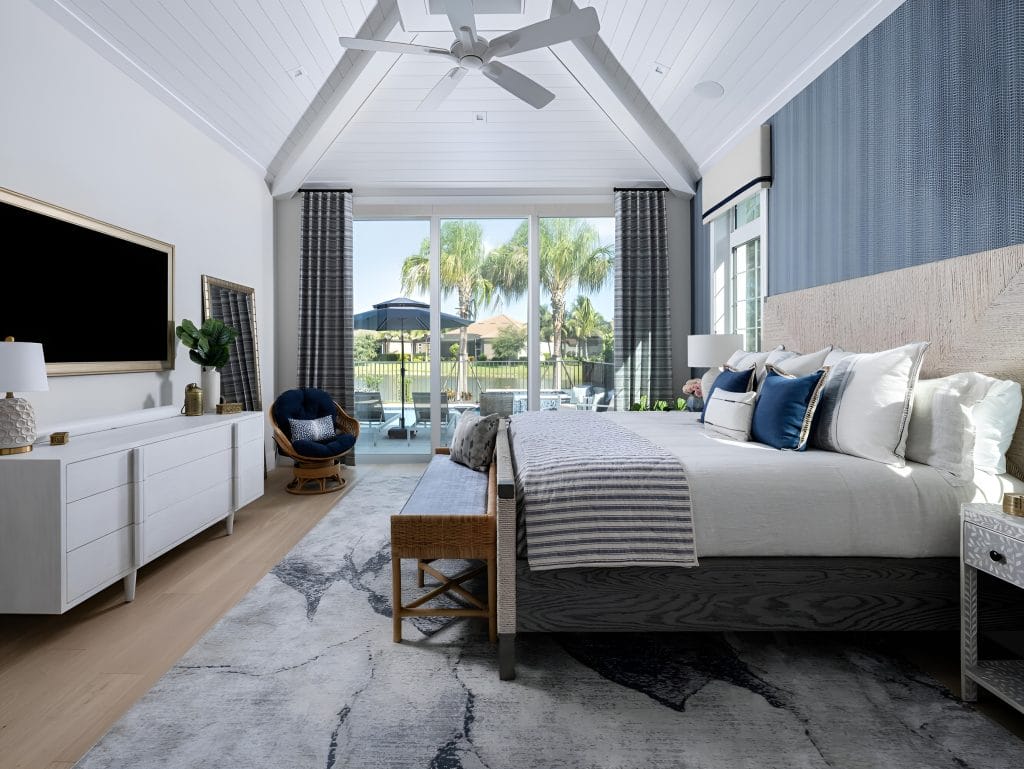
Don’t forget: it’s important to consider a room’s other furnishings when selecting curtains. And you’ll want the drapes to be flattering as well as practical.
Ready to Transform Your Space with the Perfect Curtains and More?
Let our expert designers help you create the fully-designed space of your dreams! Schedule a Free Interior Design Consultation to get started today!





Comments