


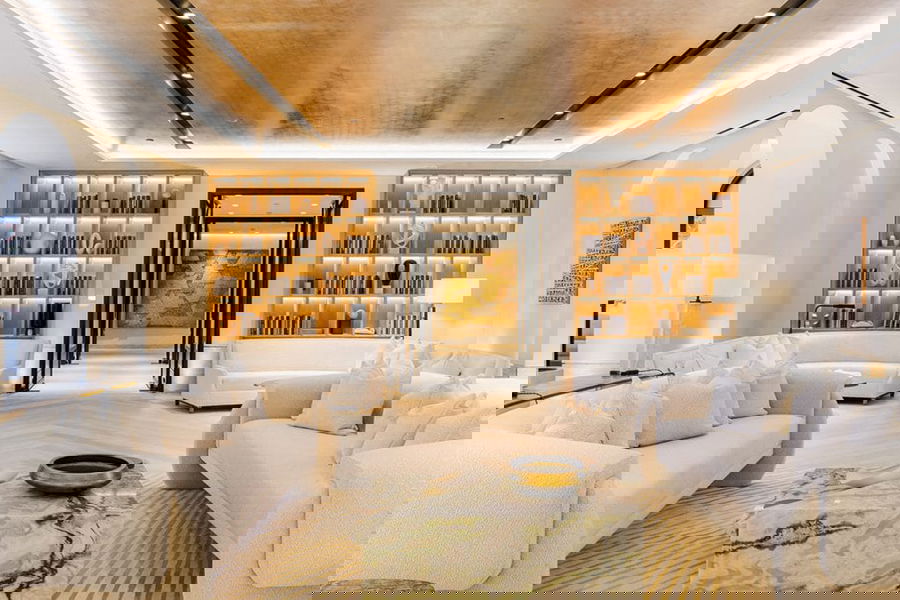
New Year’s resolutions are sometimes too vague to succeed. So why not start from something specific and actionable, like the spaces you already inhabit? We all wish to improve our habits and routines, and the physical environment shapes how those routines unfold. A few intentional changes to how rooms are organized or used can recalibrate daily life from the inside out.
1. Introduce Color for Energy

A home interior that’s been neutral for years can feel dull and tiring, thus it offers an easy target for the New Year’s resolution. Start by identifying the room where you spend the most passive time, and choose one surface to begin with. Painting an accent wall takes a weekend and costs less than a new piece of furniture; the impact is immediate and reversible if the hue doesn’t work. However, if painting feels like too much commitment, a large rug with a colored field achieves something similar at floor level.
Textiles offer the fastest feedback loop. Swap neutral cushion covers for ochre or rust. Bring in a throw with actual pigment rather than another shade of cream. These pieces can rotate seasonally, changing your feeling of being in a space.
Here’s more on how to introduce vibrant color in your home.
Pro Tip: Clear about your New Year’s design resolutions, but unsure what look to choose? Try our Free Interior Design Style Quiz to discover your ideal style today!
2. Designate a Tech-Free Zone
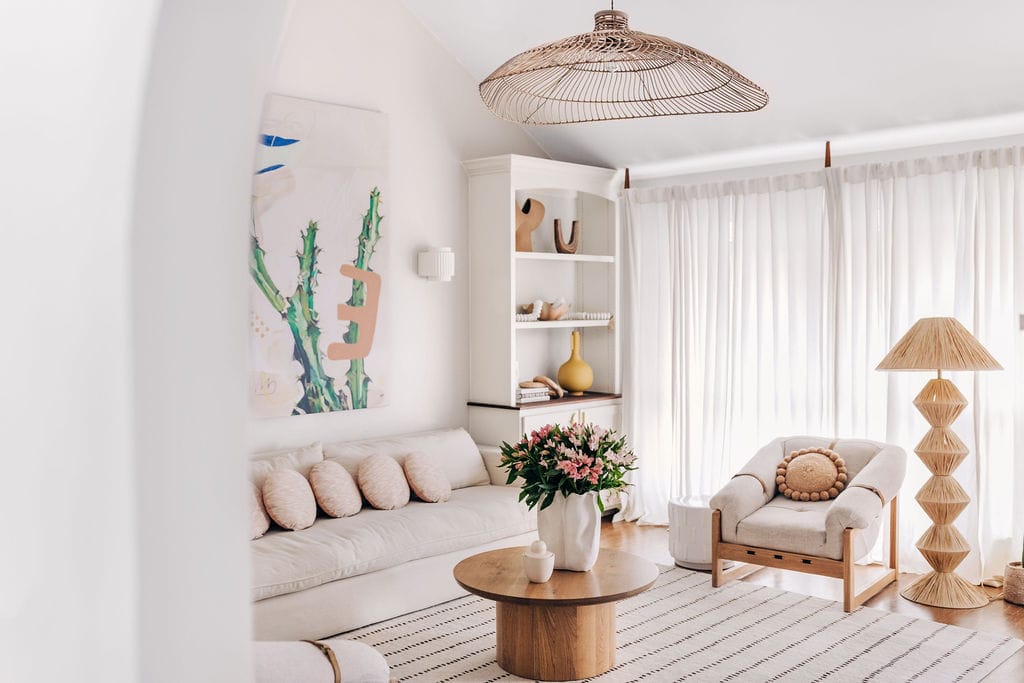
Screens have a way of following movement through the home. At some point, every seat becomes a spot where content arrives. The architecture of the place finally stops offering any resistance to this pattern.
Tackle this in your New Year’s resolutions, and carve out one zone that stays offline. The location matters less than its distance from outlets and chargers, since proximity to power tends to pull devices back in. Over time, the zone will begin to function differently than anywhere else in the house and become a space for genuine relaxation.
3. Establish a “One In, One Out” Rule
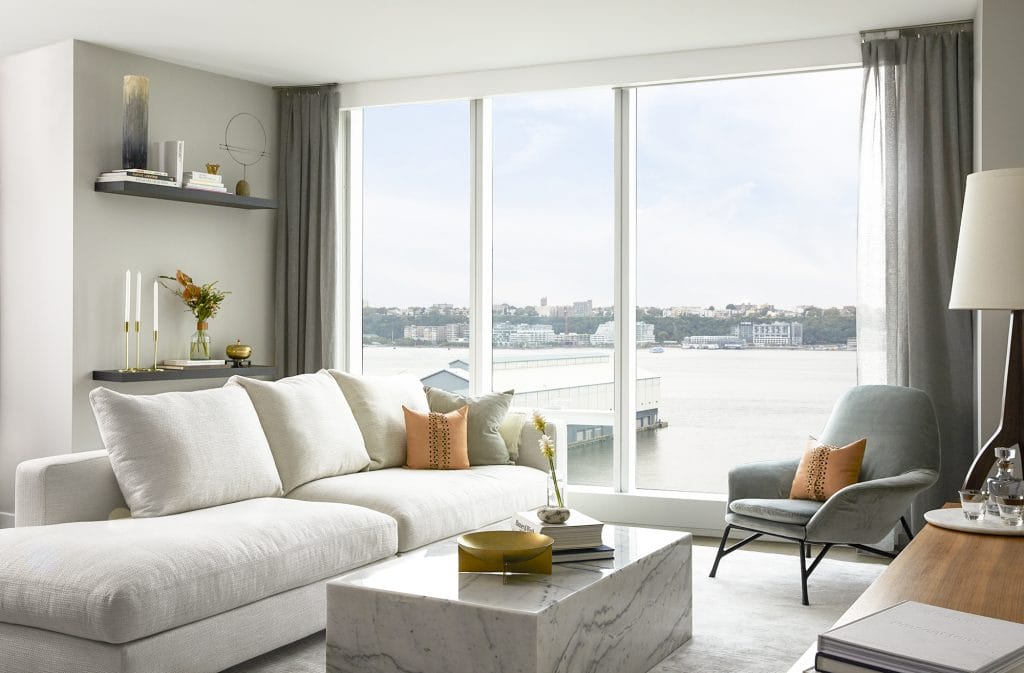
Homes grow dense over time. A new throw pillow typically joins the existing arrangement, adding to the pile on the sofa; decorations find space on a shelf that was already crowded. Of course, each addition seems minor on its own, but the overall effect compounds until rooms feel noticeably heavier.
New Year’s resolutions are a good time to put an end to this. Think this way: bringing a new lamp home means identifying one to let go of. Soon enough, instead of things, you’ll accumulate benefits. Impulse purchases happen less often when each one demands a trade-off. On top of that, when everything has to earn its place, it leaves you with only what is really meaningful.
4. Invest in One Quality Everyday Item Per Quarter
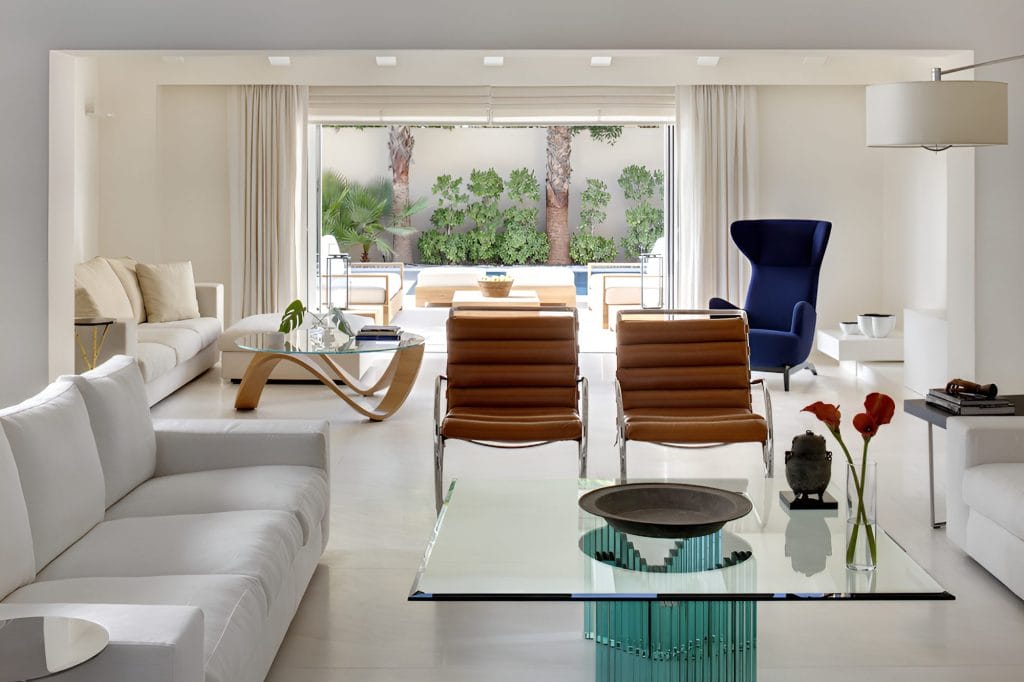
Quarterly investment in quality is another great New Year’s resolution. It works because it creates an occasion to examine familiar spaces with a fresh view. You know the way a buzzing lamp or a stained dish towel becomes part of a room’s background? This kind of slow decline shapes how routines feel.
Furniture belongs on this list, too, particularly pieces designed to serve more than one function. Investing in three high-quality items at once can be costly; replacing a worn-out ottoman and a dated coffee table with one design that can serve as both (and offer some storage as well) is more manageable.
5. Refresh Your Decorative Accents
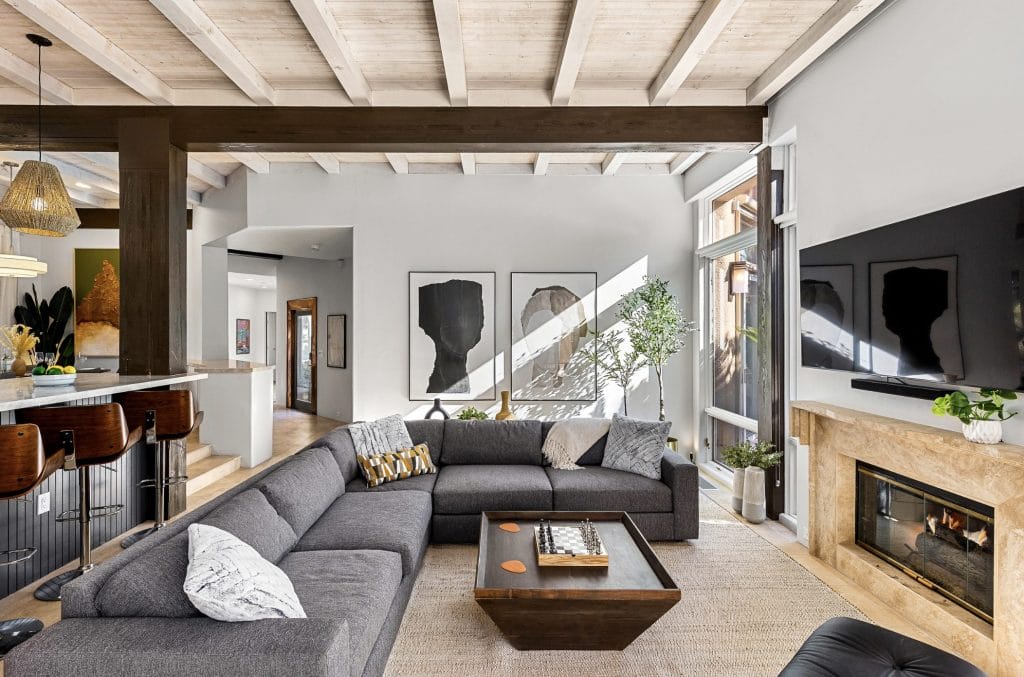
Let your New Year’s resolutions push you to actually look at the decorative objects in your home and decide whether they’re still doing anything for you. Evaluate vases, candles, trays, throws, artwork. Pull everything off a shelf or side table and see how it feels empty, then put back only what you’d choose today. The rest can go.
The shift from decorated to considered is often just a matter of editing. Fewer accents, better ones, placed where they actually get noticed. Think also about what the room needs in terms of texture or color or visual weight, and look for one or two objects that do that job well.
6. Go Minimalist for Mental Clarity
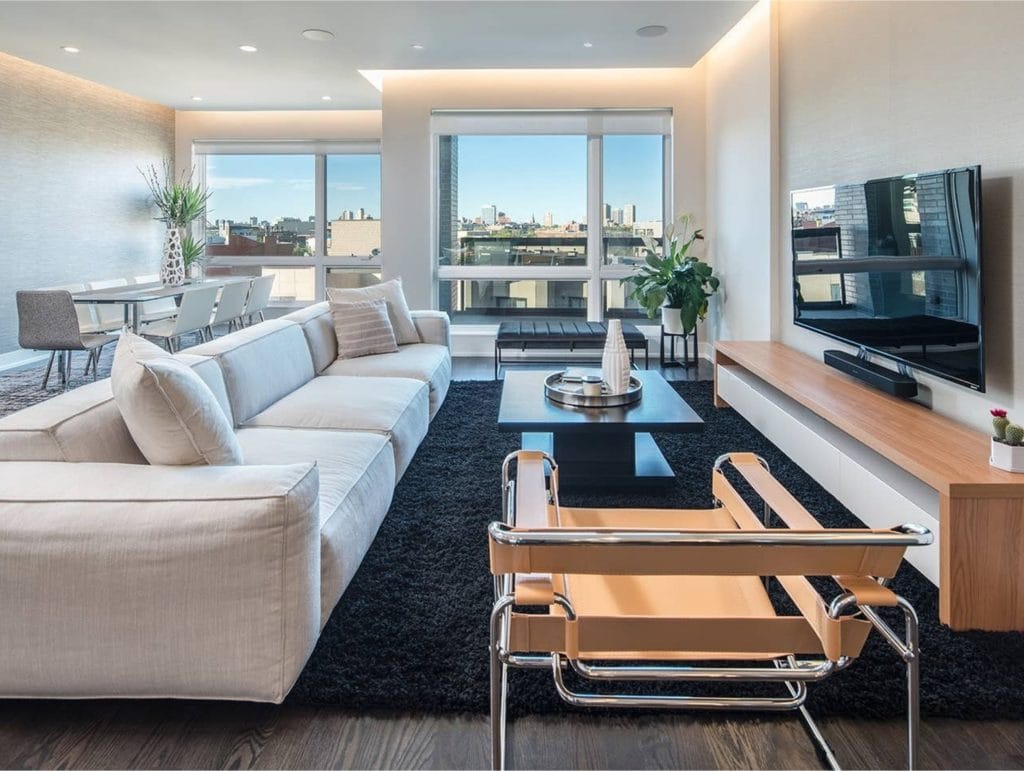
A busy room asks the eye to work constantly. Every object on a surface competes for attention, even when we believe we’ve tuned it out. The mind processes these visual interruptions whether we’re conscious of them or not. If you find it hard to relax in your interior, consider editing it with the same care you might apply to a schedule or a diet.
Pick the room where you spend the most time or the one that’s been bothering you longest, and appoint it as your new year‘s design project. Think about what the layout would look like if every piece of furniture had breathing space around it, then work backward from there. Replacing a fussy sofa with something low and clean-lined, for example, is a good start.
7. Create a Functional Entryway
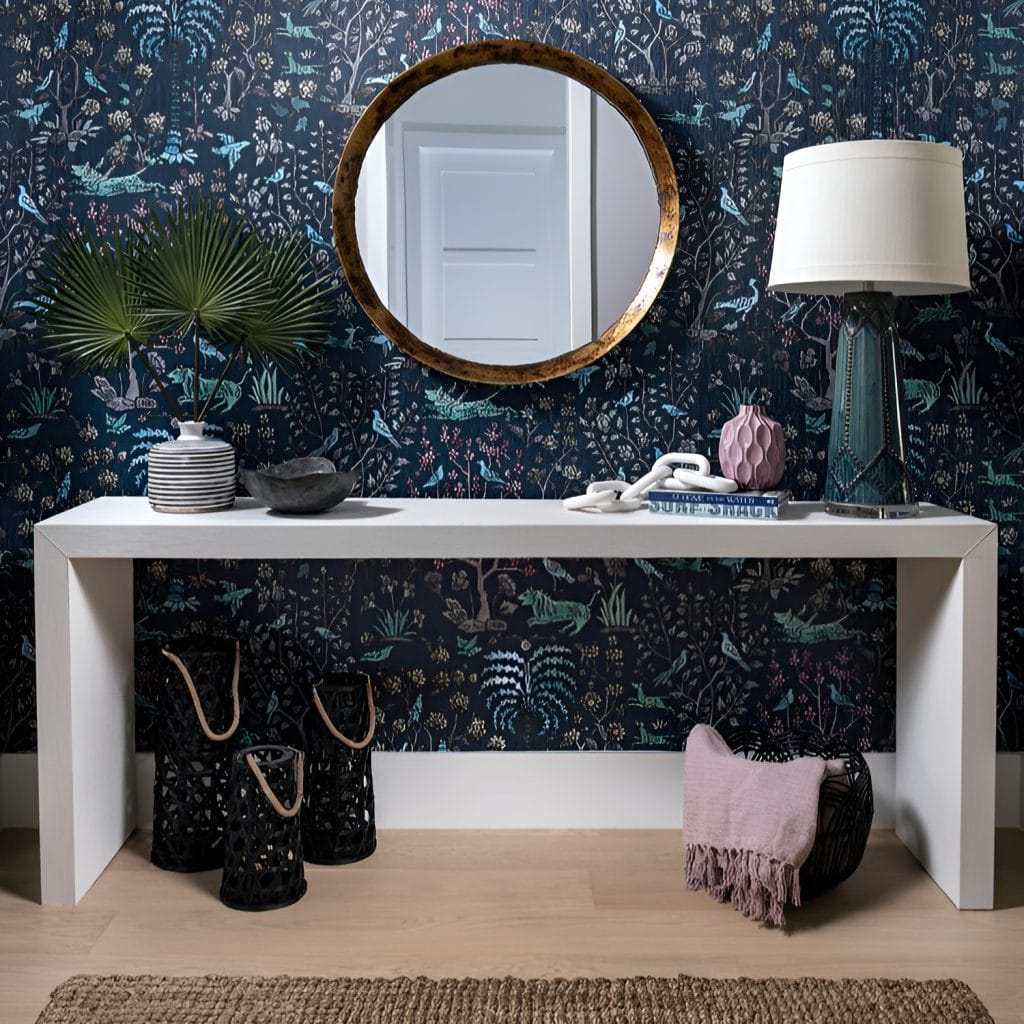
The entryway handles everything that moves between outside and in. Coats, keys, bags, and accessories pass through this space constantly, and without somewhere to land, they drift into rooms where they don’t belong. Finding a system to manage these items this year can save you a lot of stress in the long run.
The entryway’s compact footprint makes every material choice visible, so think multifunctional. A brass hook on a white wall becomes a focal point, and so does a marble tray on the console surface. But these elements need coherence to work their best. Wood tones should relate to nearby flooring, and metal finishes could echo hardware in adjacent rooms. Texture contributes too—woven baskets soften even the cold, utilitarian layouts.
Need a helping hand with your New Year’s design resolutions?
A professional designer can help you get there faster and more cost-efficiently. Book your Free Online Interior Design Consultation to start your project today!

Comments
1 Comment
Most Voted
10 years ago
[…] A beautiful interior with bold colours. Image credit; Decorilla. […]
[…] A beautiful interior with bold colours. Image credit; Decorilla. […]