


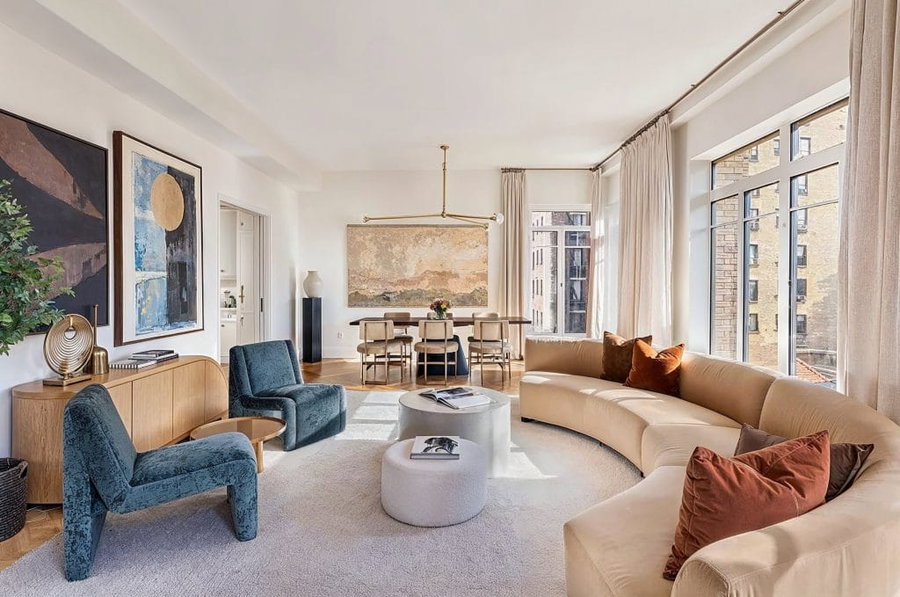
Welcome to one of our favorite furniture design trends that keeps on making waves in interiors. Functional yet oh-so elegant, these forms bring visual intrigue with seamless flow and graceful contours. But for many of our clients, the question remains: how the style curved furniture? So let’s answer it, one point at a time.
What Is Curved Furniture
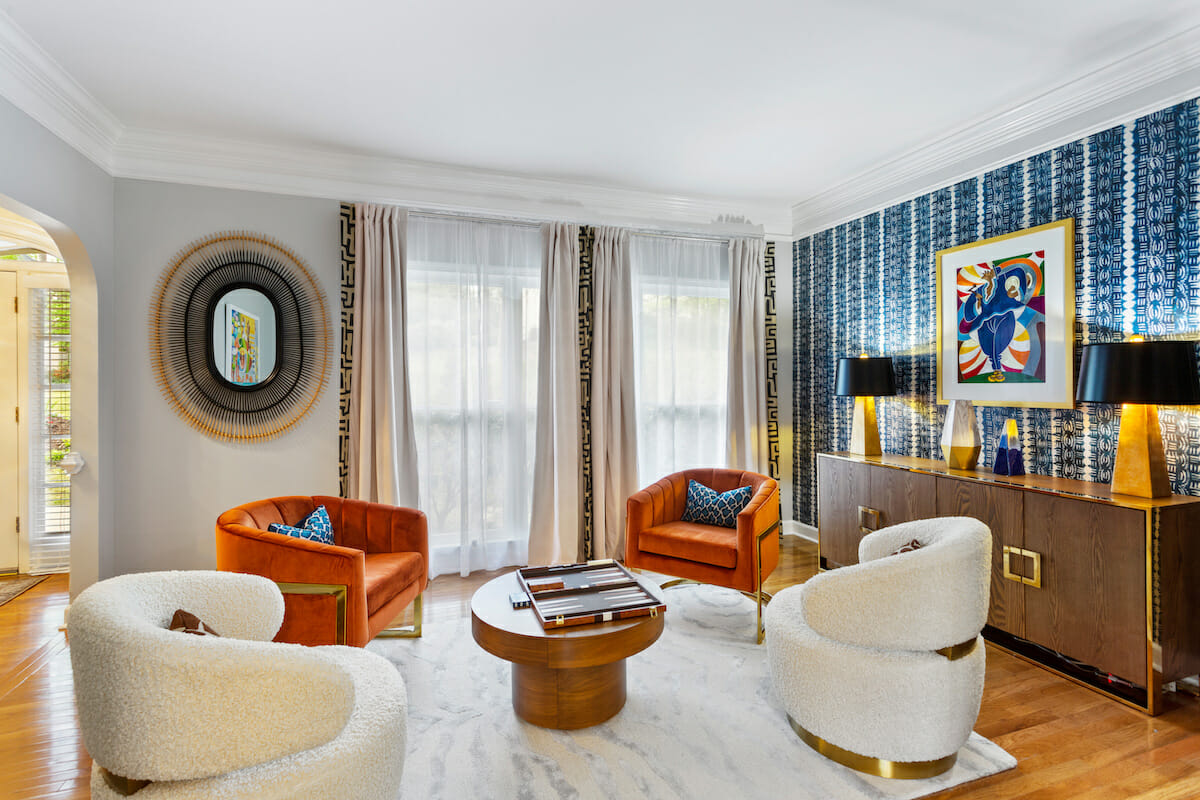
The answer is quite obvious here. This contemporary furniture trend celebrates radiused and organic shapes in design. The forms break from straight-angled construction, using soft arcs and gentle bends that redirect sightlines within a typically rectangular room.
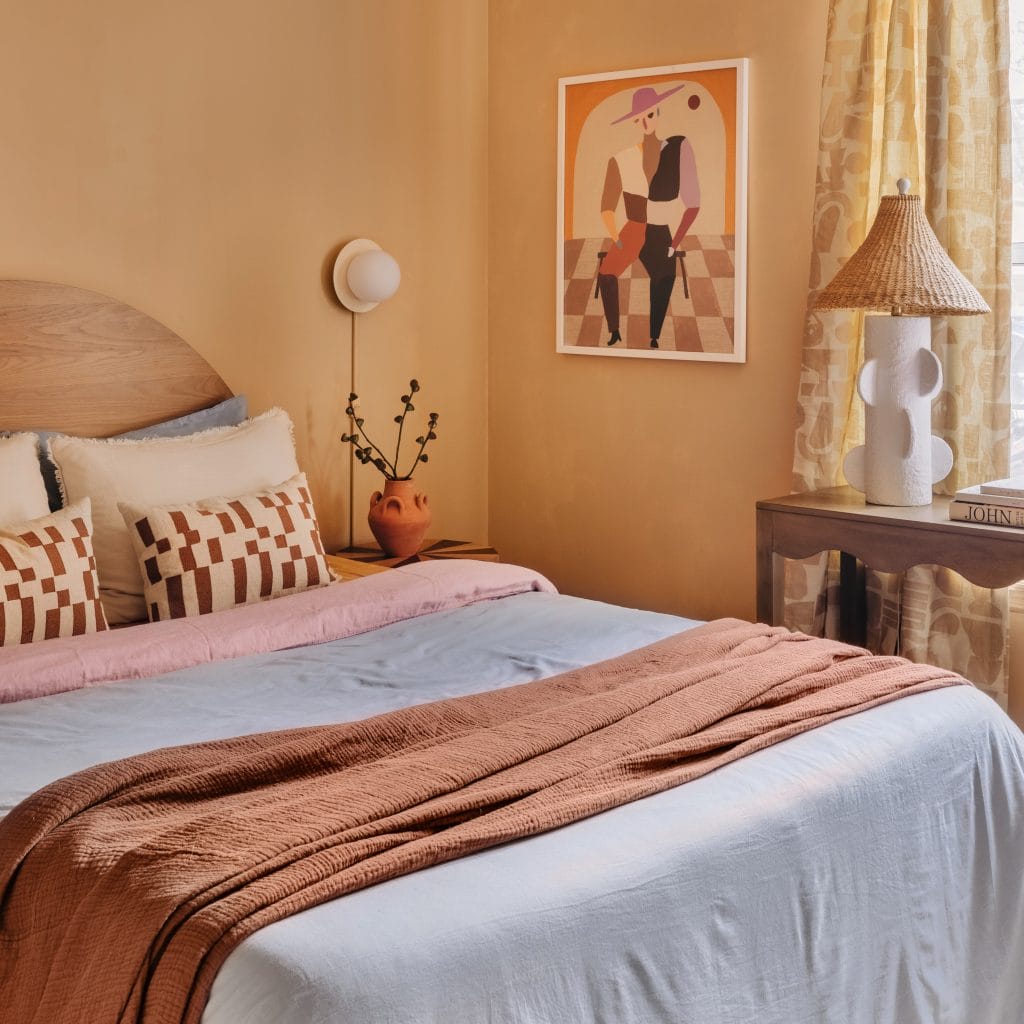
The arc might appear as a detail (e.g., along the back of a sofa) or through the full circumference of a drum-shaped side table. The range in between covers everything from a slight bow on a console front to a deep barrel curve on a lounge chair. So before deciding how to style curved furniture or buying it online, you first need to read that arc correctly. Because the radius determines how much floor space the piece claims and how the eye travels across its surface.
Tip: Styling curved furniture is easier when you pick a design style. Know yours? Try our Free Interior Design Style Quiz to pinpoint your true style!
Why Choose Curved Furniture
- Radiused seat backs follow the natural contour of the spine, which makes deep seating more comfortable over long periods.
- Rounded edges on coffee tables and consoles eliminate sharp corners in high-traffic zones, reducing collision risk in tighter floor plans.
- A single curved piece can break the visual repetition in a room dominated by rectangular forms, giving the eye a resting point along the sightline.
- The arc of a curved sofa or sectional creates a natural conversational grouping by angling seated positions toward each other.
- Curved case goods like bow-front dressers and demilune consoles fit into alcoves and rounded architectural niches where standard rectangular furniture leaves dead space at the sides.
How to Style Curved Furniture for Any Room and Function
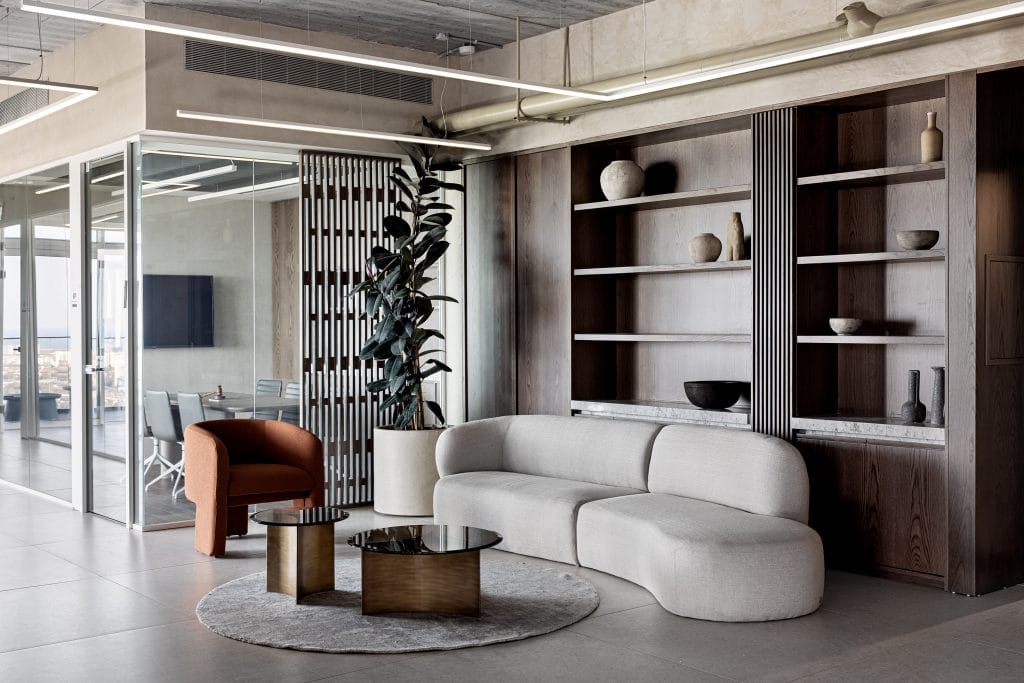
When it comes to styling curved items, the possibilities are endless. The key is harmonizing the curves with your overall aesthetic, creating a balanced composition. Keep these tips in mind when browsing online furniture stores! A curved sofa can easily become the focal point of a room with enough space to stand out. Let’s explore how to experiment and create a captivating interior.
1. How to Place a Curved Coffee Table
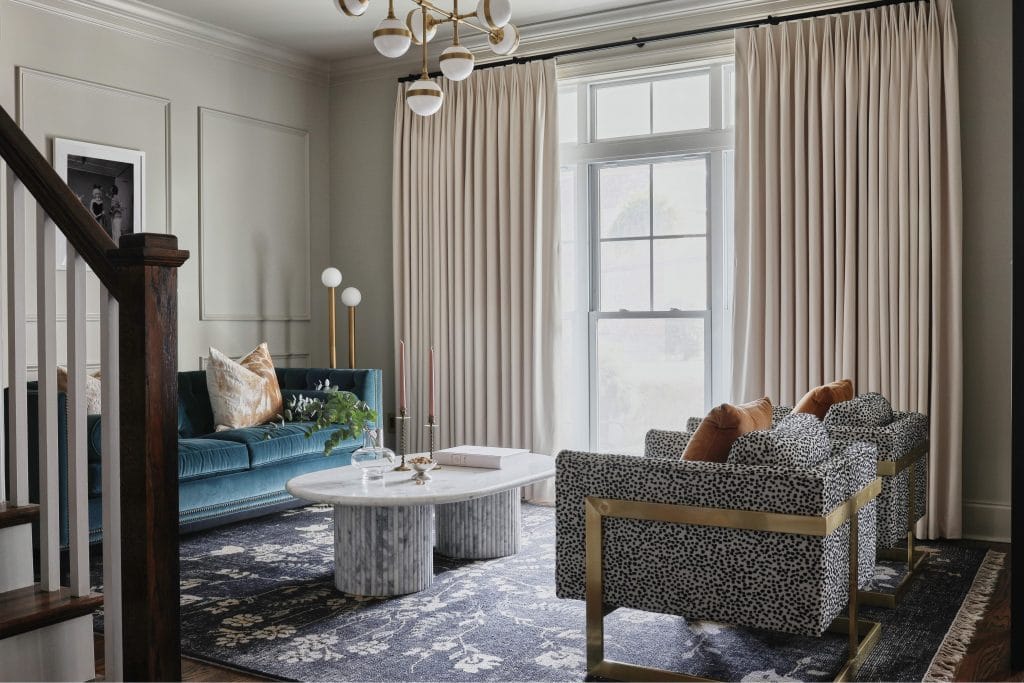
A round coffee table is a practical addition to many furniture placing schemes. It creates a different relationship with surrounding seating than a rectangular one does, pulling chairs inward and equalizing the distance from every seat position at the same time. And as for how to style curved furniture at this scale—keep the tabletop decor minimal and letting contrasting forms do the work. Use straight-lined candles or angular objects on the round surface to create dialogue between geometries.
Designer Insight: The round footprint improves circulation in tighter floor plans, since there are no corners to navigate around.
2. A Curved Sofa To Unwind In Style
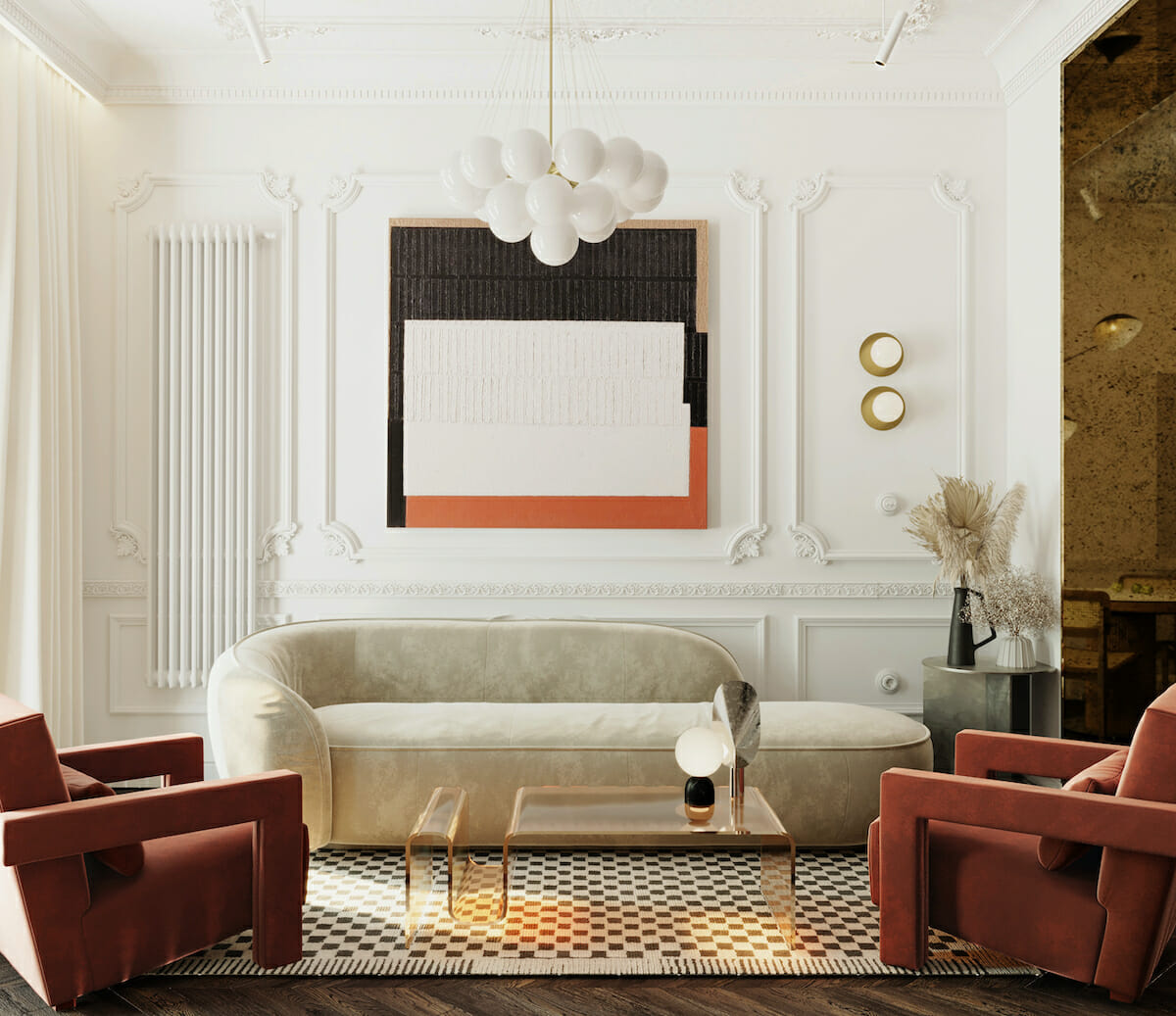
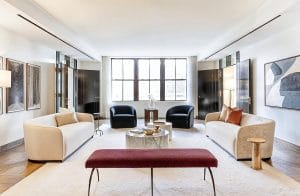
A curved sofa’s contour reads strongest when viewed from the front, which means its placement should account for the room’s main entry point. The smooth arc invites you inward and works well paired with scatter cushions and a textured throw. These work best in odd numbers along the curve, spaced unevenly so they follow its natural rhythm.
Designer Insight: In neoclassical or transitional rooms, this trendy sofa’s form echoes the molding profiles and archway geometries already present in the architecture. Center it on the room’s longest sightline for maximum effect.
3. Adding a Chic Yet Comfy Curved Accent Chair
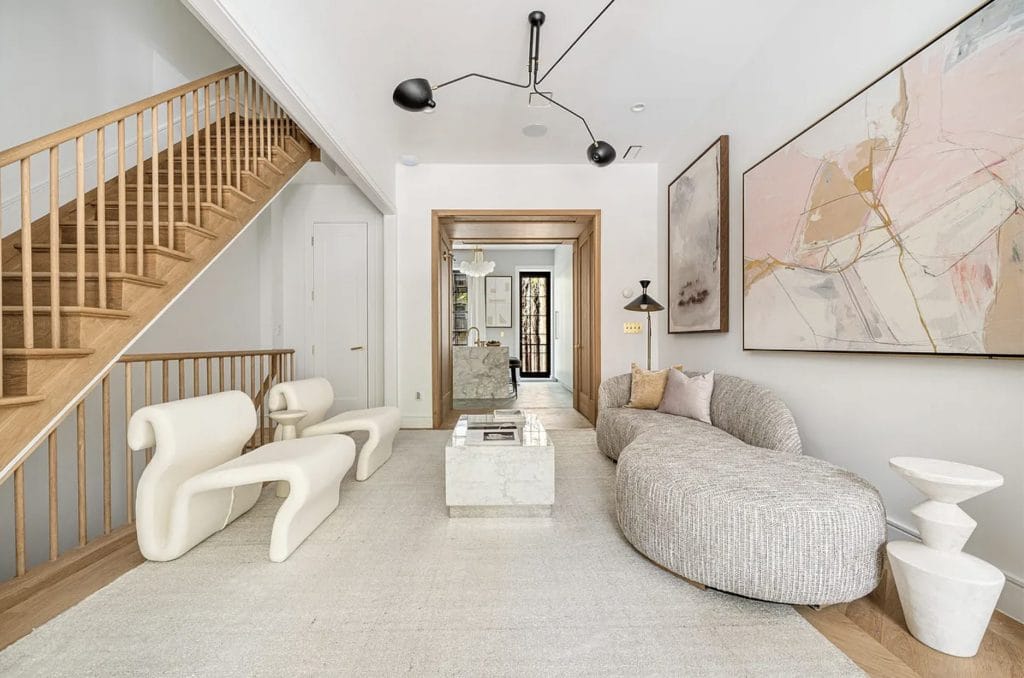
Besides being a hot furniture trend and a cozy sitting spot, a curved accent chair is a visual delight. The curvaceous lines and sleek finish add an effortless focal point to a living room corner or reading nook. It works best when it has some open floor around it, giving the arc room to register from across the space. Just add a small pedestal or drink table beside it to complete the vignette.
Designer Insight: The curves also provide ergonomic support through the seat back, which follows the natural arch of the spine.
4. Sculptural Comfort with a Curved Sectional Sofa
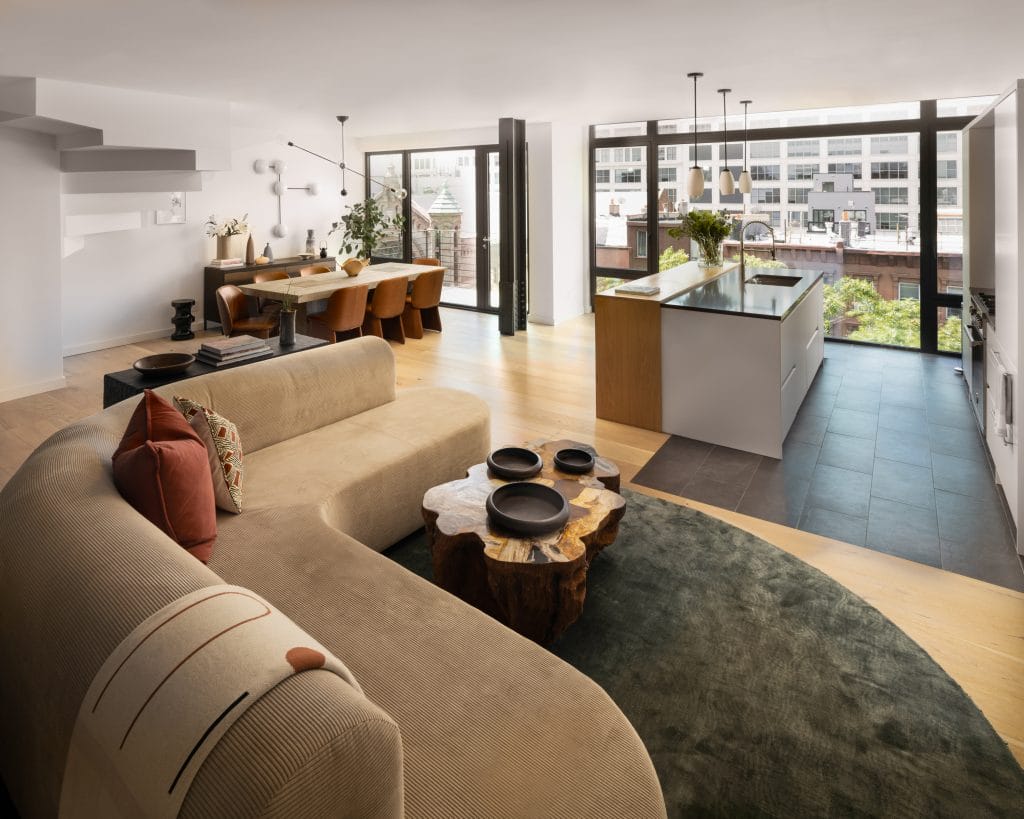
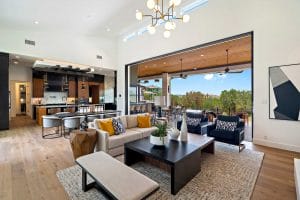
A curved sectional needs at least eight to ten inches of clearance from the wall behind it so the back’s arc reads as a deliberate shape in the room. Anchor the center of the arc with a round coffee table sized to sit within arm’s reach of every seat position. If the sectional floats in the middle of the room, place a console table flush against the back. Area rug shape also matters here: an oval or round rug under the sectional reinforces the geometry, while a rectangular one grounds the piece against the room’s straight walls.
Designer Insight: Knowing how to style curved furniture at this level means giving the piece open floor on at least two sides.
5. A Curved Dining Table for an Artistic Twist
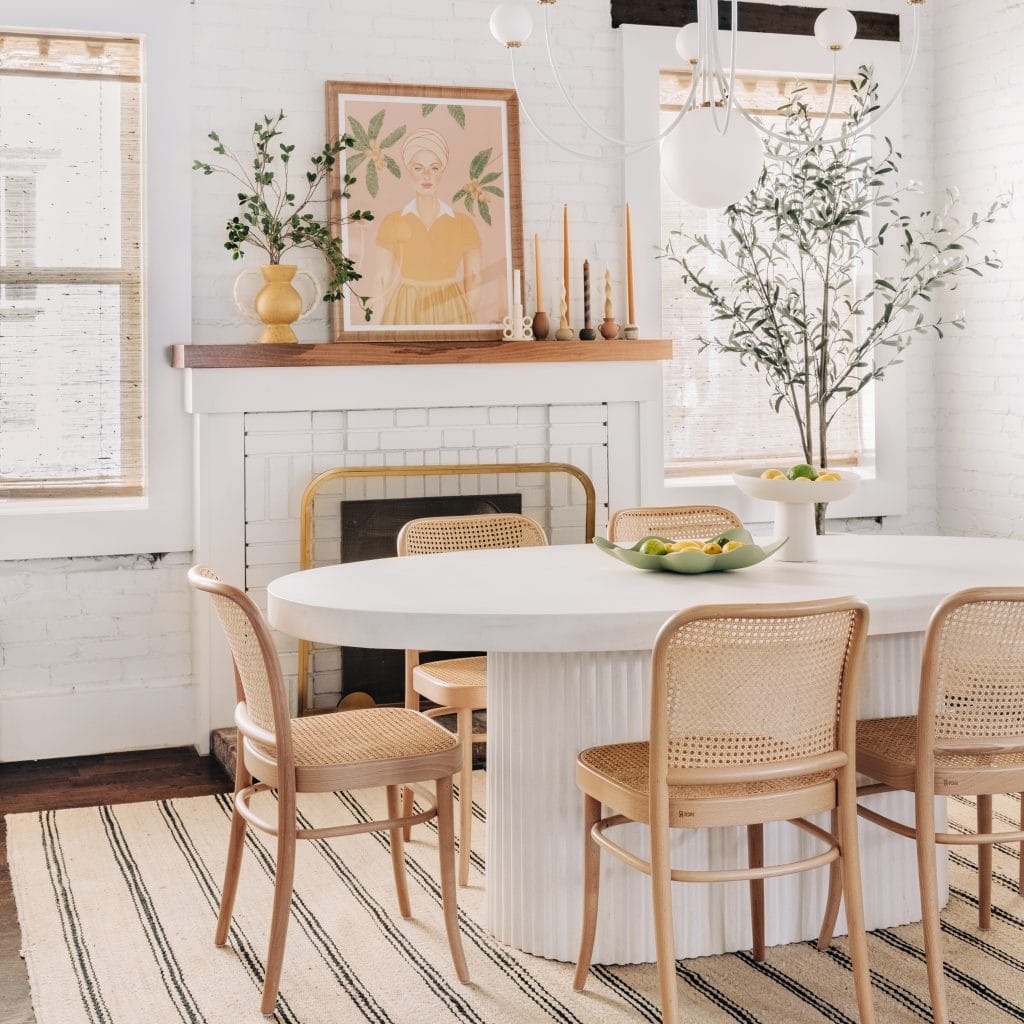
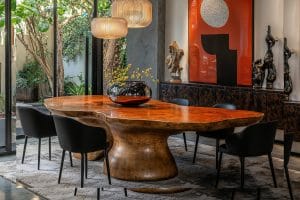
How to style curved furniture in the dining room often comes down to chair-to-table relationship and the pendant or chandelier centered above. A curved dining table changes the seating dynamic by placing every chair at roughly equal distance from the center. Combine it with round-backed dining chairs to echo the table’s geometry, or use upright modern designs to create a deliberate contrast. On the nearest wall, a bow-front sideboard can pick up the table’s curvature and tie the room together at a second height level.
Designer Insight: Hang the pendant directly above center so the light pool follows the table’s circumference. A drum shade or globe fixture reinforces the round motif, while a linear chandelier works if you want to counterpoint it.
6. How to Style Curved Chaise Lounge Chairs
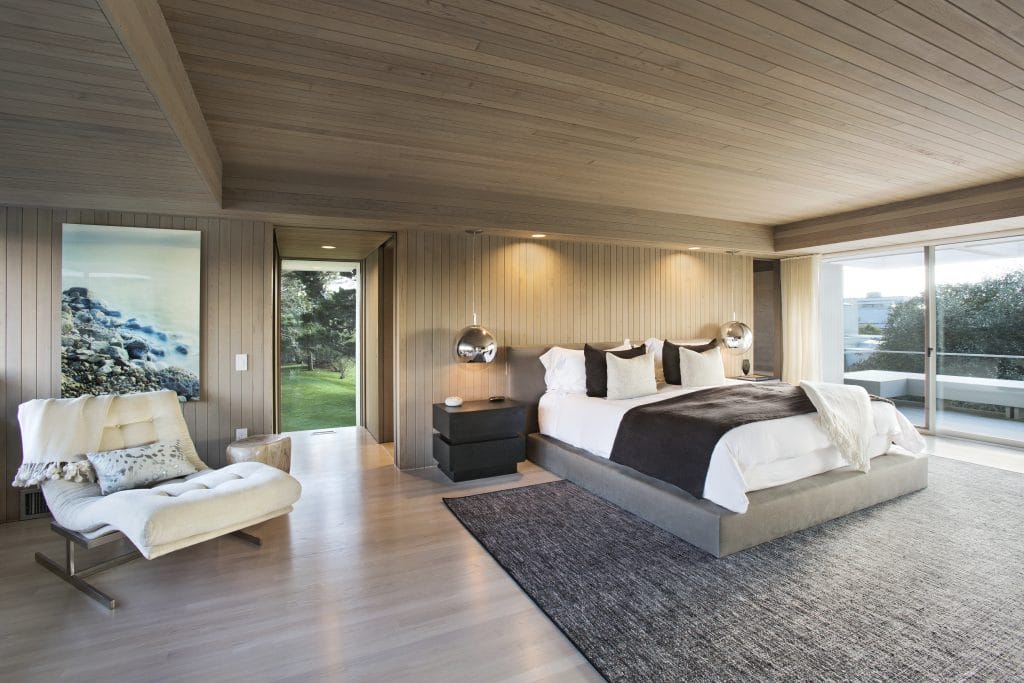
A curved chaise lounge needs open floor on its outer edge so the arc remains visible from across the room. Angle it toward the main seating group at roughly 30 to 45 degrees off the sofa line to create a conversational position that still feels independent. Keep the throw draped along the inner curve to follow the shape, pulling the textile tight enough that it doesn’t flatten the silhouette.
Designer Insight: A floor lamp placed at the head end serves both as a reading light and a vertical marker that frames the piece.
7. Styling a Rounded Headboard
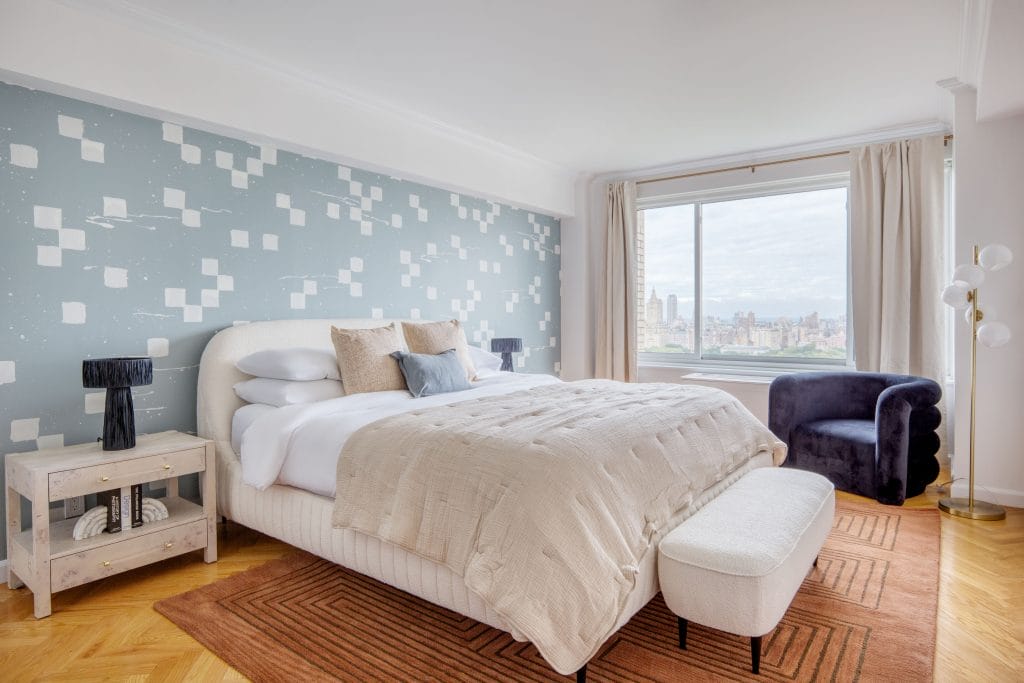
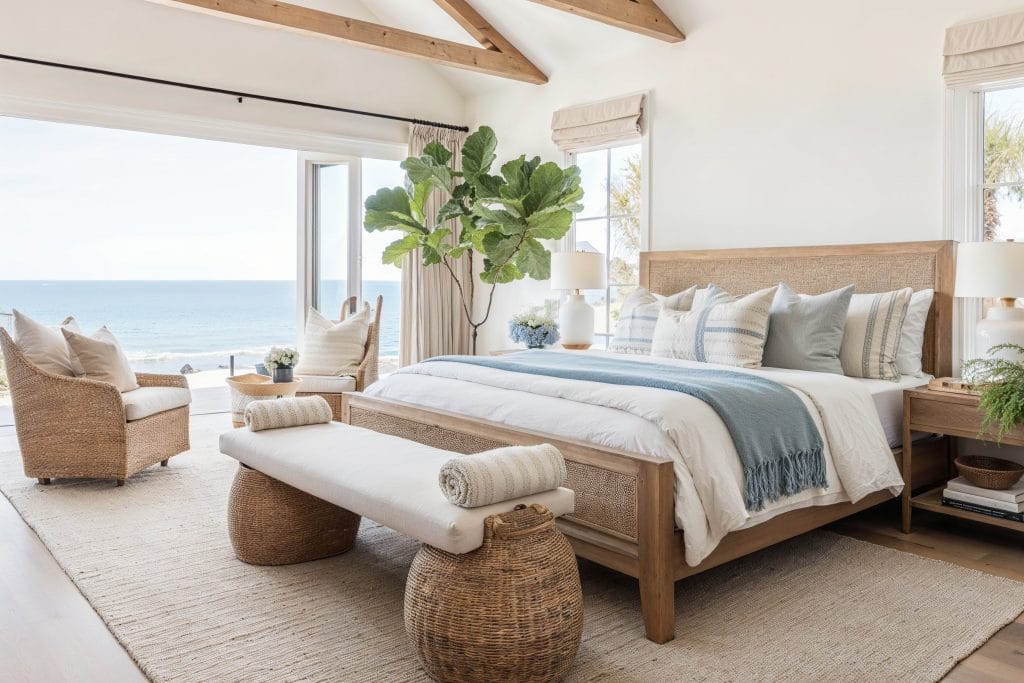
A rounded headboard introduces a curved line at the room’s visual center, where it sits directly behind the pillows. Besides being a stylish backdrop for the bed, it offers a sense of coziness and comfort. The arc softens the junction between wall and bed, which works especially well in rooms with hard ceiling angles or exposed beams.
Designer Insight: Natural woven wood grains complement a wide range of bedroom styles, making the headboard a flexible anchor for the rest of the room’s layering.
8. Balancing Form and Function with a Curved Nightstand
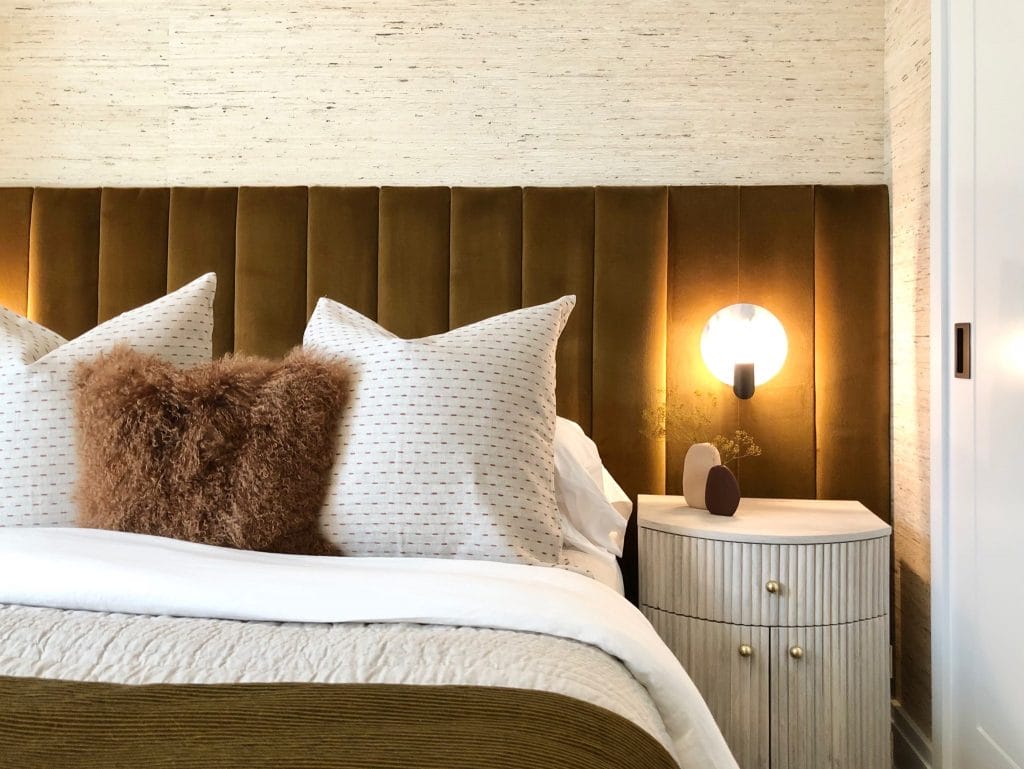
A trendy curved nightstand softens the bedside zone, where most surfaces tend to be rectangular. Its contours bring visual relief to a space designed primarily for rest. Match the nightstand height to the top of the mattress so the lamp base sits at the right level for bedside use. A low-profile lamp with a drum shade reinforces the rounded geometry, while a taller cylindrical shade introduces vertical contrast.
Designer Insight: A curved nightstand pairs most effectively with a headboard that shares some degree of arc, since the two forms read as a single compositional line along the bed wall.
9. How to Style a Curved Dresser or Armoire
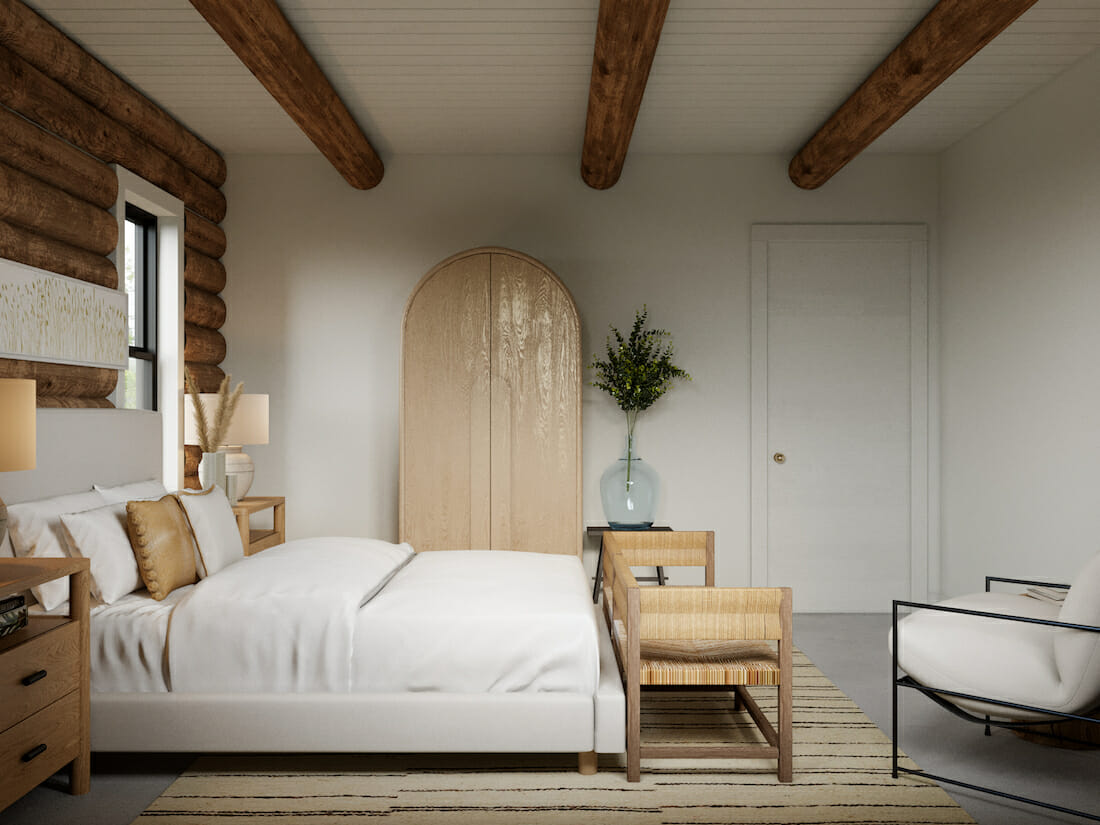
A curved dresser brings a fluid silhouette into the bedroom, where most surrounding furniture runs on straight edges. The curvature adds a sculptural quality that works as a focal point on a flat wall. If you’re going to emphasize its visual presence, place it along the longest unbroken wall in the room.
Designer Insight: Pair it with a neutral color scheme to let the form stand out, or set it within a maximalist arrangement where the curve plays off angular wall art and eclectic decor.
10. Inspired Elegance with a Curved Writing Desk
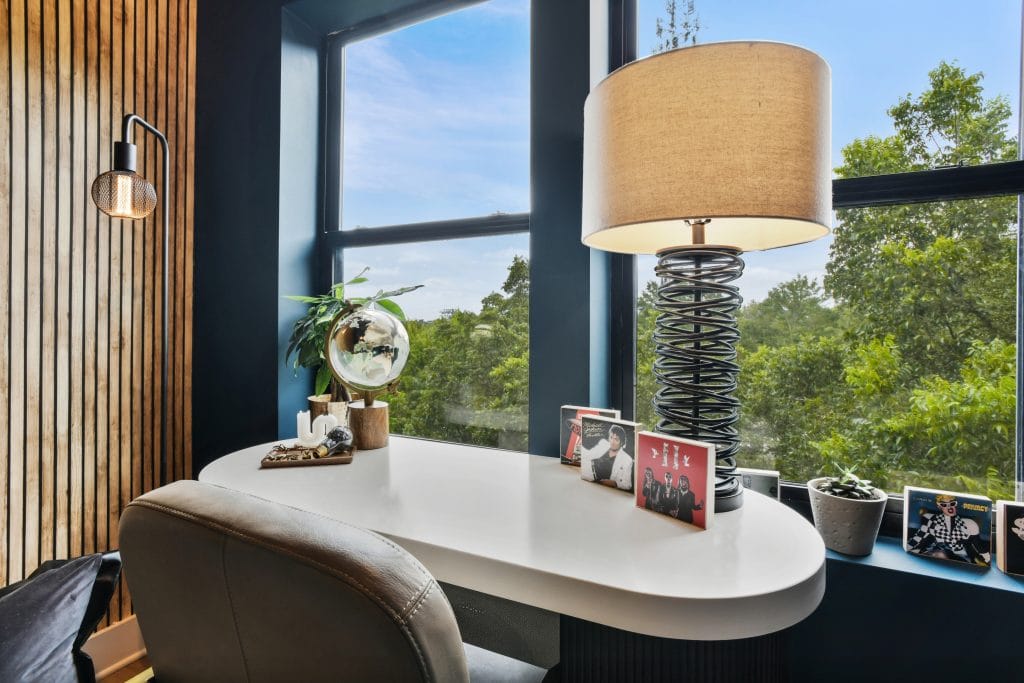
Curved office furniture combines practicality with an artistic flair. Position the desk at an angle to the wall so the oval front edge stays visible from the doorway. Flat against a wall, the curve disappears. A task lamp with an adjustable arm works better here than a fixed shade, since the curved edge shifts the usable surface area toward the sides.
Designer Insight: Choose a desk chair with a straight back to create a geometric counterpoint, and keep the wall behind the desk simple so the eye stays on the furniture’s profile.
Curved Furniture Styling FAQs
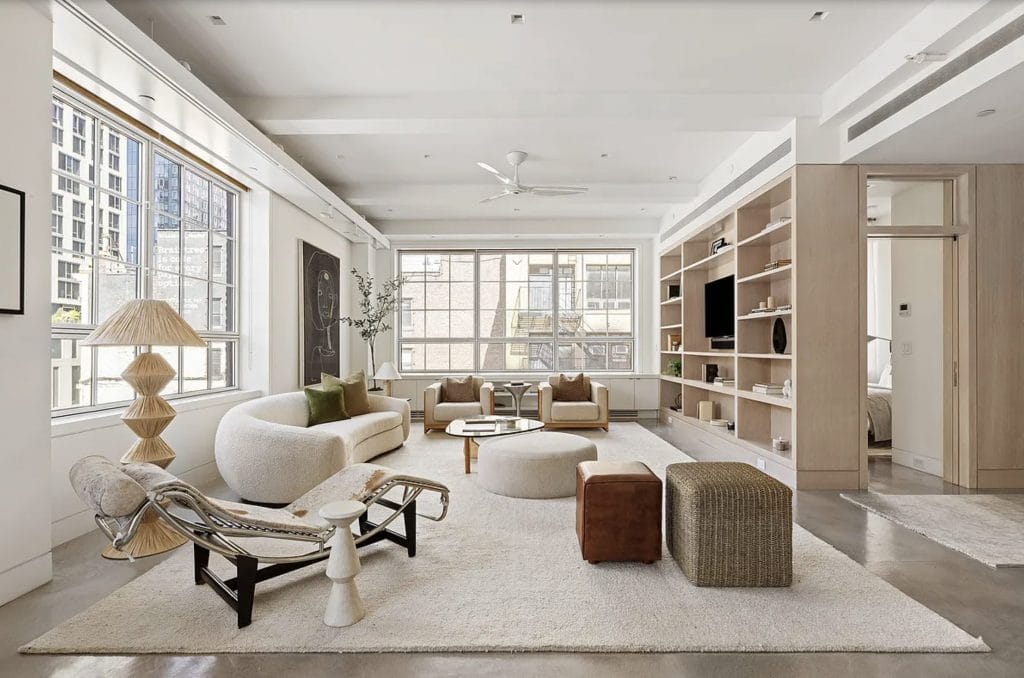
Place the curved piece where it can command the most sightline—usually the center of the room or the longest wall—and let the straight-lined furniture frame it from the perimeter. The contrast works when the curved piece reads as the focal point and the angular ones serve as supporting structure around it.
The curve needs enough clearance to be seen as a curve. In a room under 12 by 12 feet, stick to smaller pieces like an accent chair or a round side table. Larger arcs, like a curved sectional or a semicircular sofa, need at least 14 feet of open run along the wall or floor where the piece sits.
Match the rug to the piece’s primary geometry. A round or oval rug under a curved coffee table or dining table reinforces the form. Under a curved sofa, a rectangular rug can work if it’s wide enough to extend past both ends of the arc. If too narrow, it will cuts the curve short visually.
Still unsure how to style curved furniture?
Our talented designers can help you create a perfect layout with its own personality. Schedule a Free Interior Design Consultation to find out more today!

Comments