


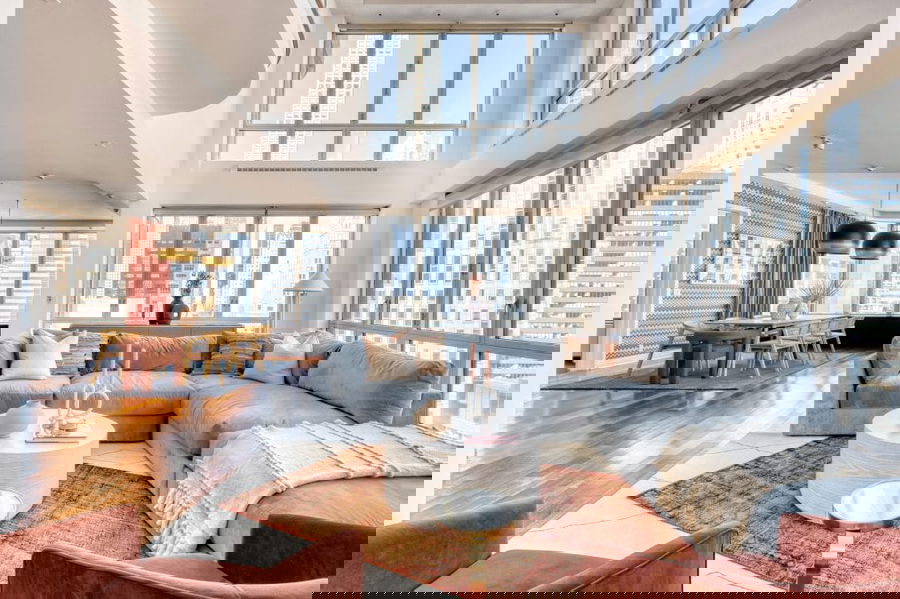
Do you feel like your living room could absorb daily life better? Weekend mornings, hosting, movie nights, quiet reading hours, it all happens here. Such a wide range can make living room interior design so challenging. Our top interior designers have rounded up 10 essential tips on how to nail it from scratch, so be ready to take notes!
Living Room Interior Design Quick Tips
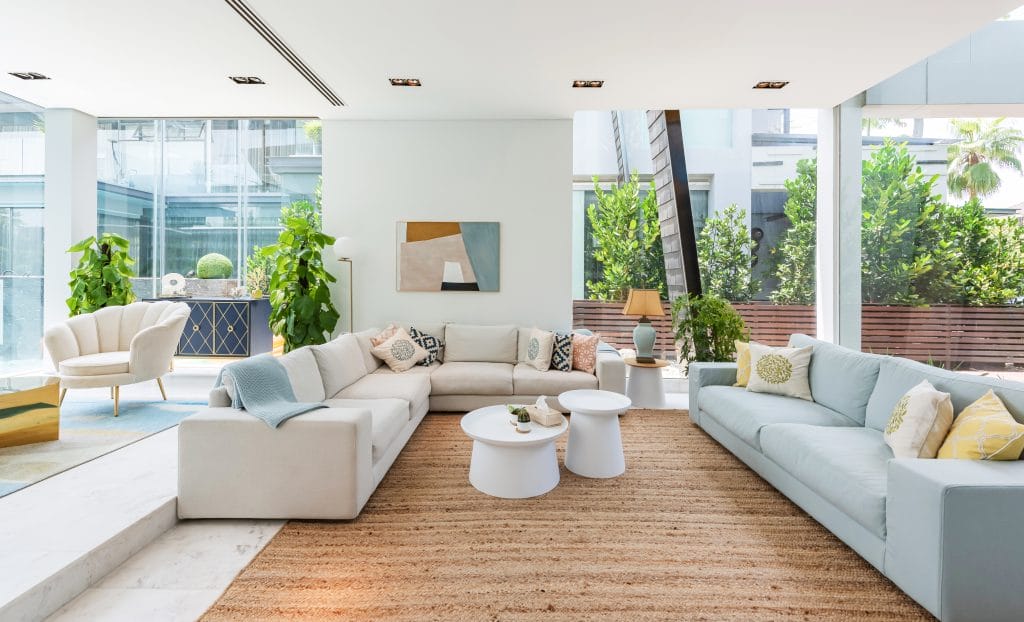
As the most-used room in a home, the living room benefits from deliberate early planning. A handful of foundational steps simplify every choice that follows. So, here’s how to design a living room that works from day one:
- Determine the aim of your living room interior design. Identify how the space will function day to day—socializing, quiet evenings, watching movies, hosting gatherings. This is essential for shaping the layout and making a proper selection of living room furniture.
- Pinpoint your favorite look. Collect rooms that appeal to you in a folder or Pinterest board. Check out also the latest living room trends. Favorite patterns emerge quickly once examples sit side by side.
- Create a mood board. Organize the intended feel of the room alongside specific furniture and décor references.
Tip: Still trying to figure out what you want? Then take our interior design style quiz to find your ideal living room décor style!
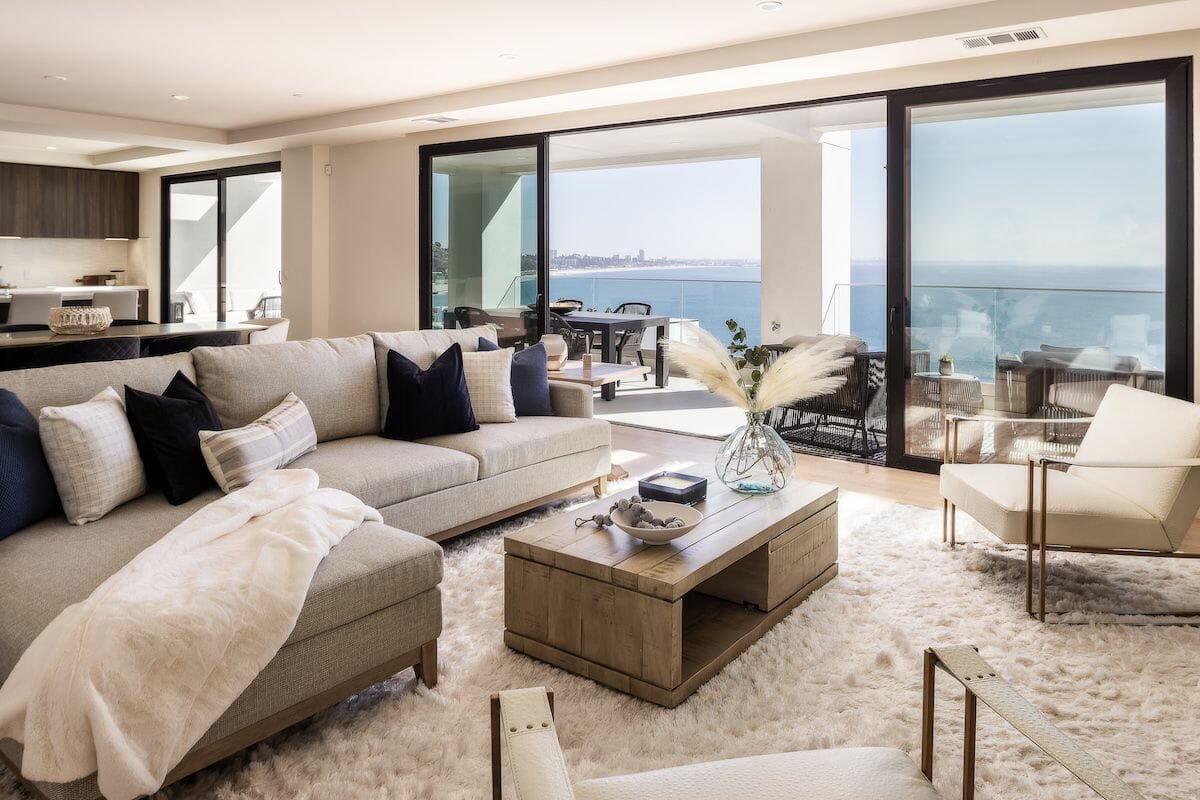
- Measure your room. Floor dimensions are easy to overlook (and costly to get wrong). Make sure that every piece under consideration fits.
- Plan different living room layouts. Sketch the room by hand or with a free layout app, then position furniture within it. Play with combinations to see which ones could work for your goals.
- Be prepared for shopping. Set a budget, list the room’s needs, and address the largest items first. Vintage shops and a fresh look at what you already own can keep costs well in check.
Essentials for a Living Room Interior Design
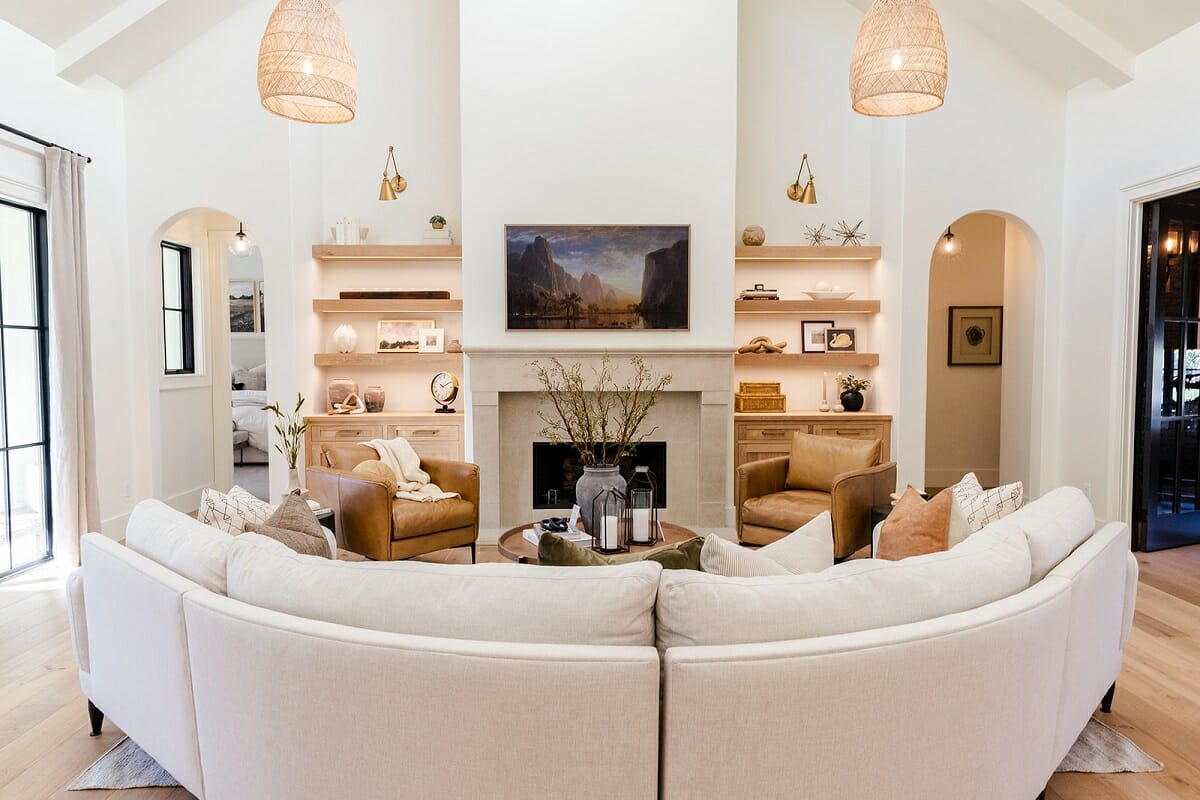
With the planning covered, the room’s character starts to emerge. These ten elements are where living room design ideas turn from abstract to tangible.
1. Create a Cohesive Living Room Interior Design
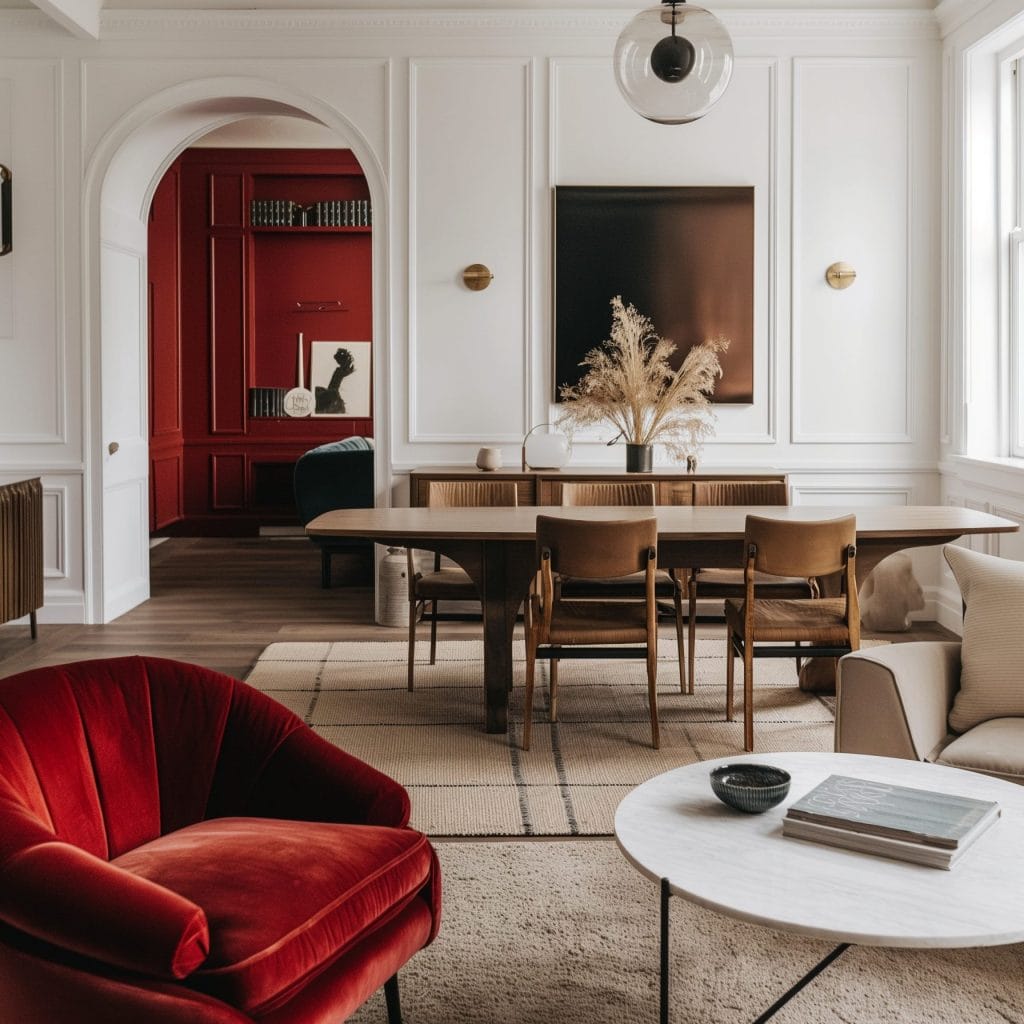
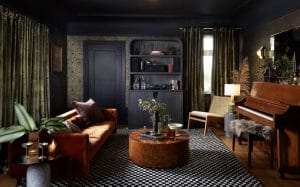
Rooms filled with unrelated pieces picked up over the years tend to feel scattered, no matter how good each item is on its own. Cohesion comes from having a clear visual thread early on with a consistent material palette and tonal range. Also, a sense of shared proportion. If you’re not using a professional hand, build a Pinterest library of formal living room ideas and zero in on what actually belongs together.
2. Choose Comfort
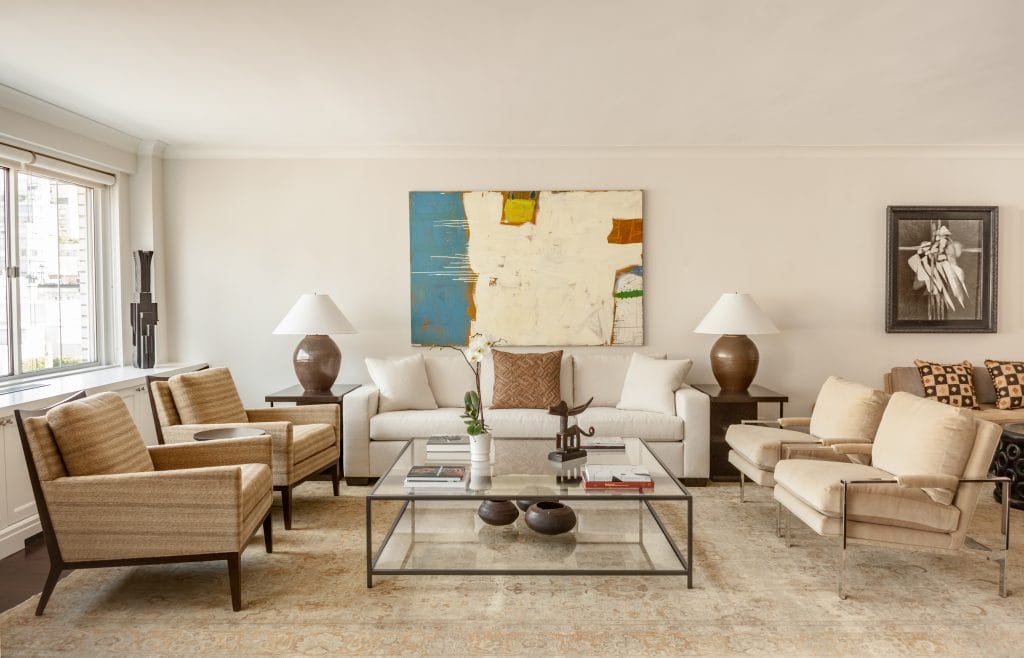
Even the best-looking rooms lose their allure quickly if the seating feels rigid. Look beyond the give of an upholstery fabric. Cushion depth and how a sofa supports the lower back during a long evening are equally important in the long run. Opt for living room furniture that holds its place after many hours, when the initial impression has worn off, and the body has settled in.
3. Use Flexible Living Room Furniture Ideas
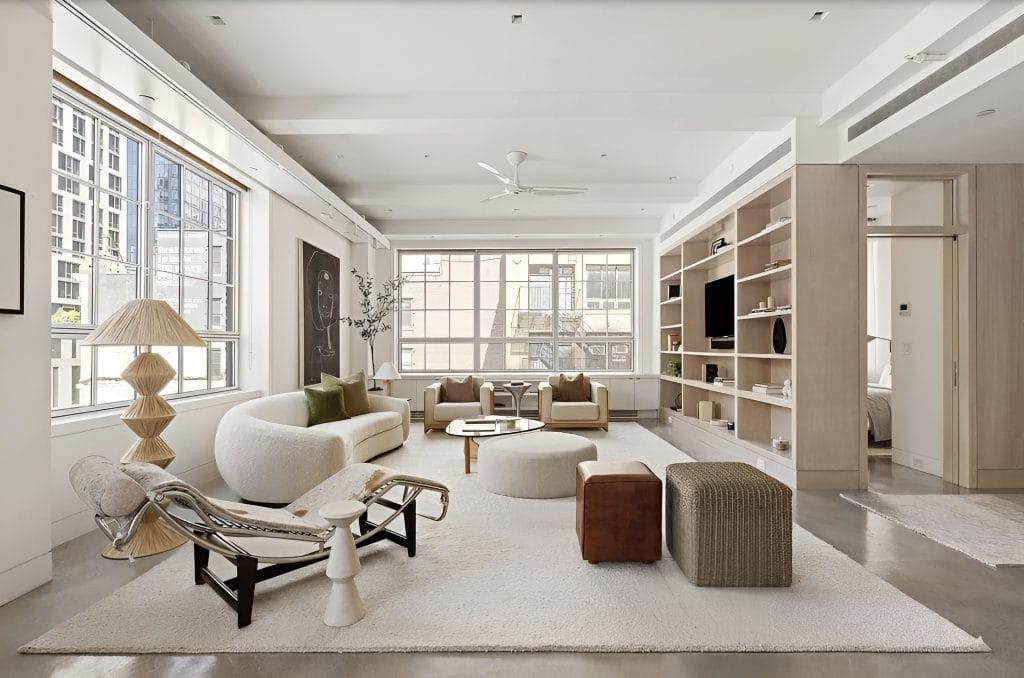
Poufs, low stools, and floor cushions pull double duty in any living room. For most of the week, those pieces fill out the color palette and soften transitions between larger living room furniture. And when guests arrive, the overflow seating is already there.
4. Go Big with Seating
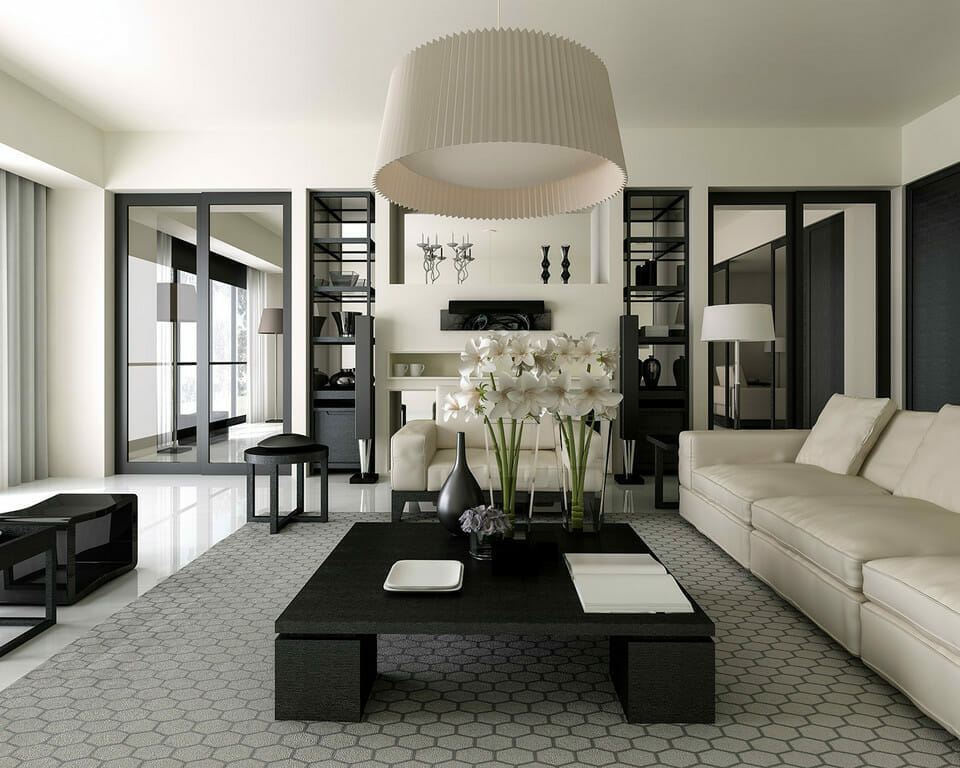
Small rooms tempt people toward small furniture, and the result almost always feels fragmented. One well-proportioned sofa can anchor a floor plan far more effectively than several undersized pieces scattered across the same area. The trick is that the room reads as bigger because the eye moves in longer lines.
5. Consider Texture-Rich Living Room Interior Design
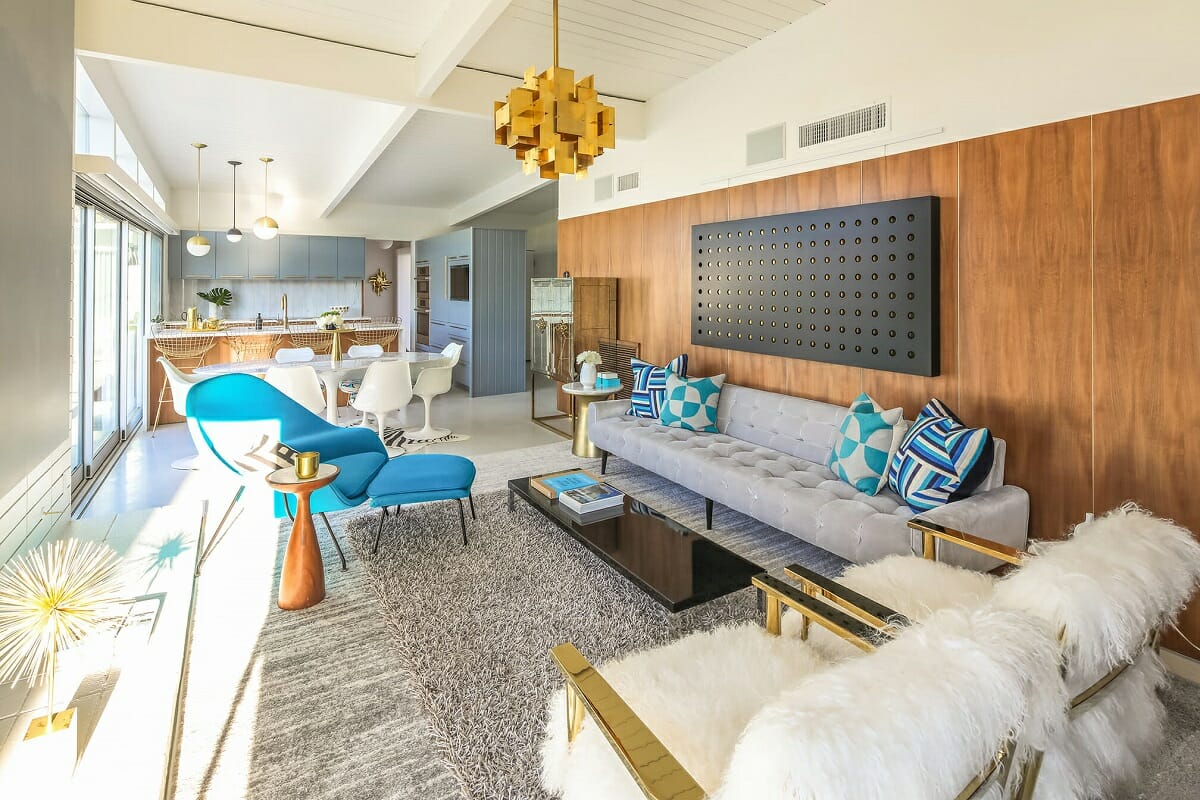
Textiles give a living room interior design its tactile identity, and they’re also among the easiest elements to swap seasonally. A wool rug underfoot changes the entire feel of a room the moment you step in. Linen cushions across the sofa build on that warmth, and a chunky knit throw draped over the armrest deepens it further.
6. Add Greenery to Living Room Decor Styles
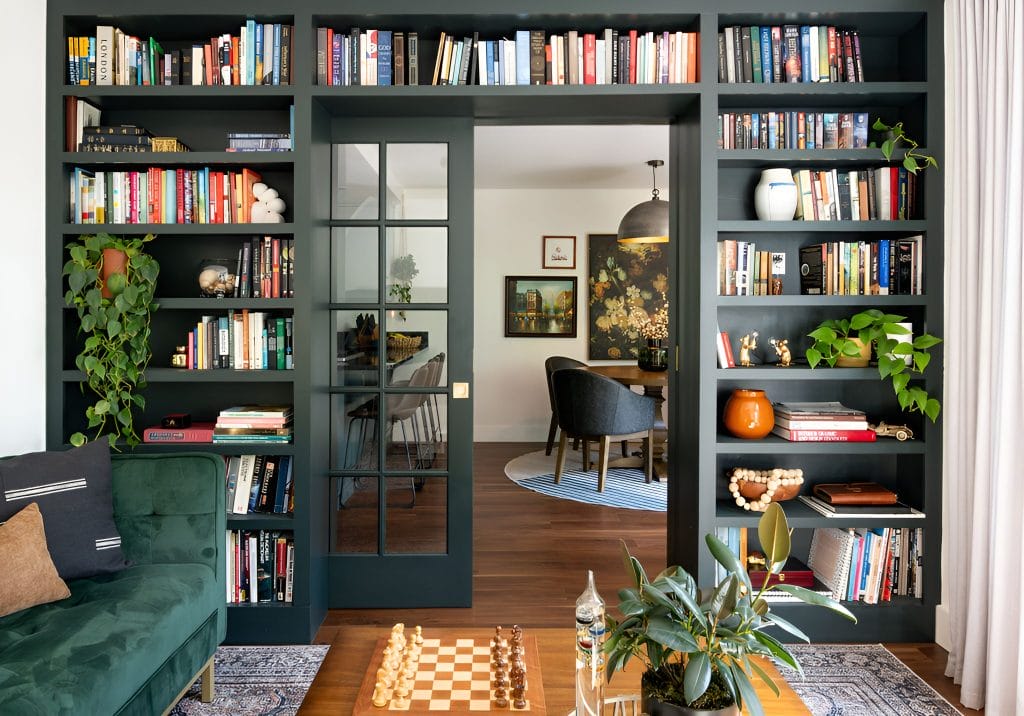
This is a no-brainer that really applies to all rooms. Plants introduce organic form into spaces shaped mostly by manufactured geometry and ease transitions between furniture groupings. Certain varieties, such as snake plants and peace lilies, also measurably improve indoor air quality.
7. Let Sunlight Highlight Your Living Room Design Ideas
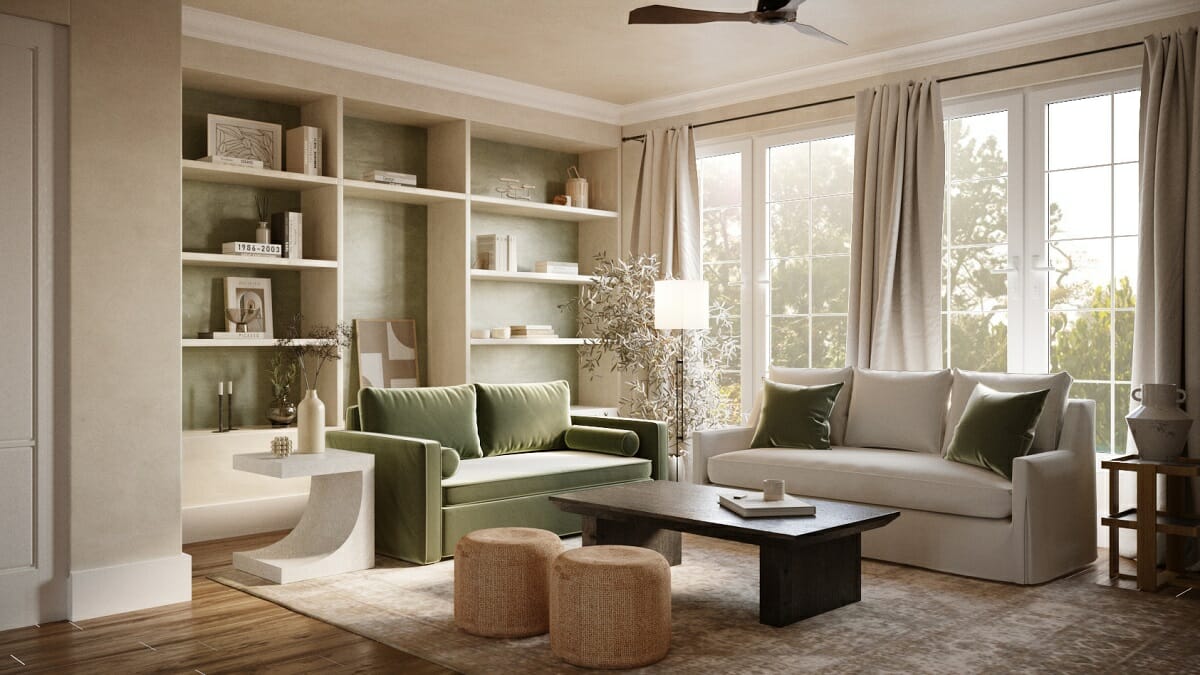
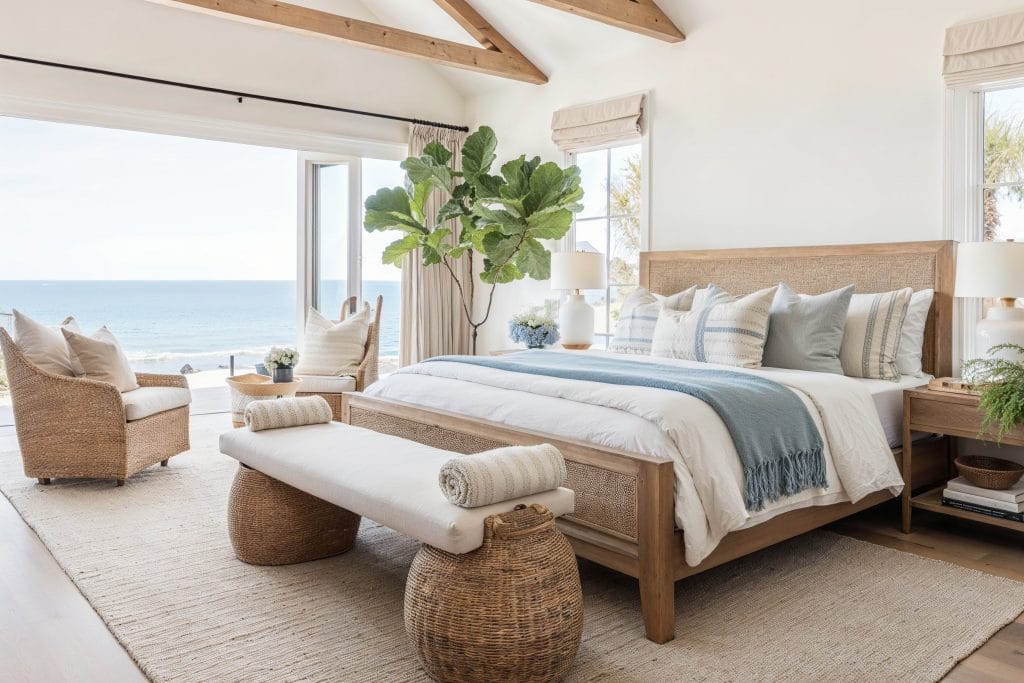
Natural sunlight is always good for energizing a room. Moreover, it changes how every finish and fabric reads throughout the day. A walnut coffee table looks entirely different at noon than it does at five, and upholstery shifts tone depending on how the sun hits it. So open the curtains and let the room show its full range.
8. Use Various Artificial Lighting at Night
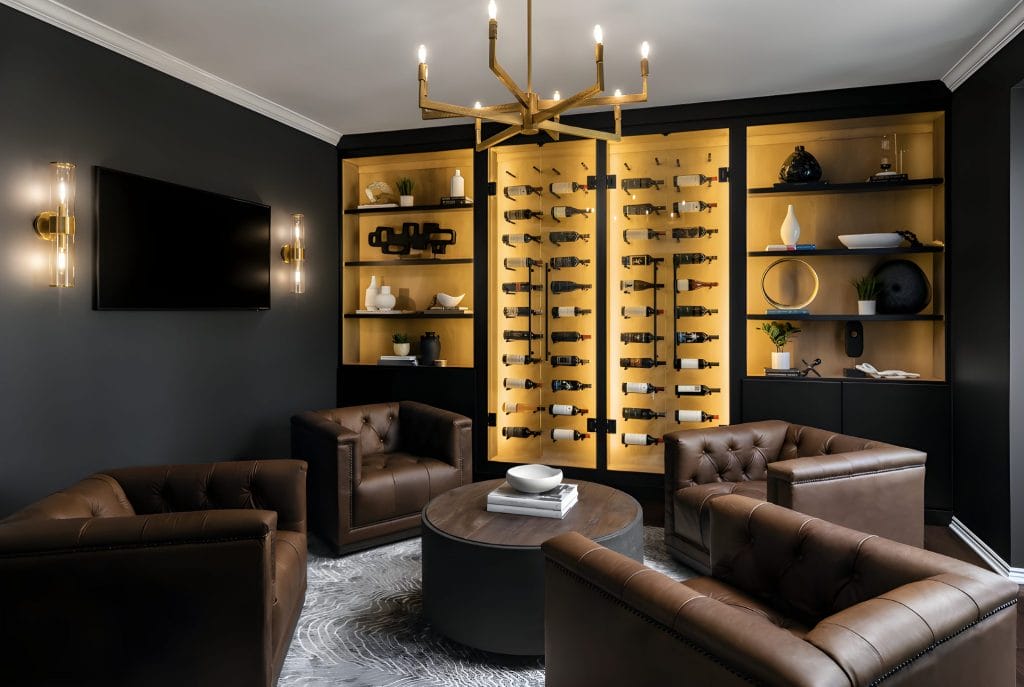
Plan your lighting strategy in advance and account for several options. A sole overhead fixture leaves most of a living room in the same flat wash. On the contrary, a focused floor lamp beside the reading chair changes the vibe immediately, and lower accent lighting along a console shifts it again after dark. Dimmable bulbs tie it together and let the room adjust to any hour.
9. Layer Your Living Room Design Ideas
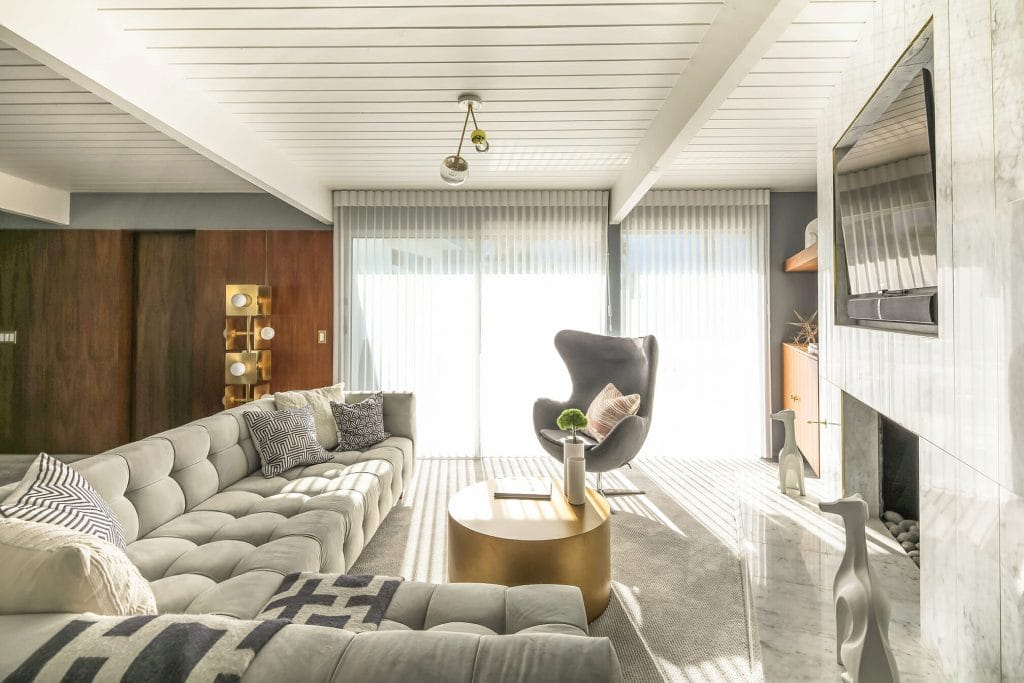
Layering is what gives living room interior design a lived-in quality. Stack cushions at varied depths on a sofa to emphasize softness. A smaller rug overlapping a larger one creates unexpected ground-level texture, and a cluster of ceramics across a side table builds visual weight from there. The resulting design delivers the space you actually want to sit down in.
10. Repurpose Your Living Room Furniture
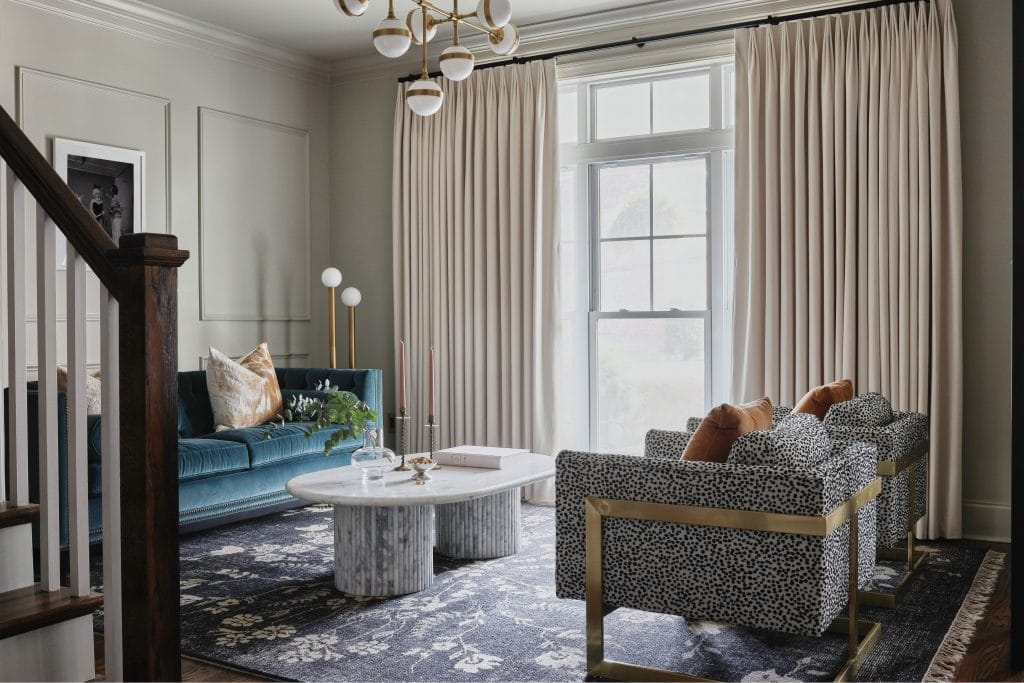
Some of the best living room design ideas are already there, waiting to be seen differently. A coat of fresh paint can completely transform a dated side table, for example. And sometimes, just rearranging the same pieces in a fresh layout shifts how the whole space feels. So before replacing everything, take stock of what’s already in.
Need help with your living room interior design?
Spruce up your living room design the easy way – leave it to the interior experts! Schedule a Free Interior Design Consultation to get started!


Comments