


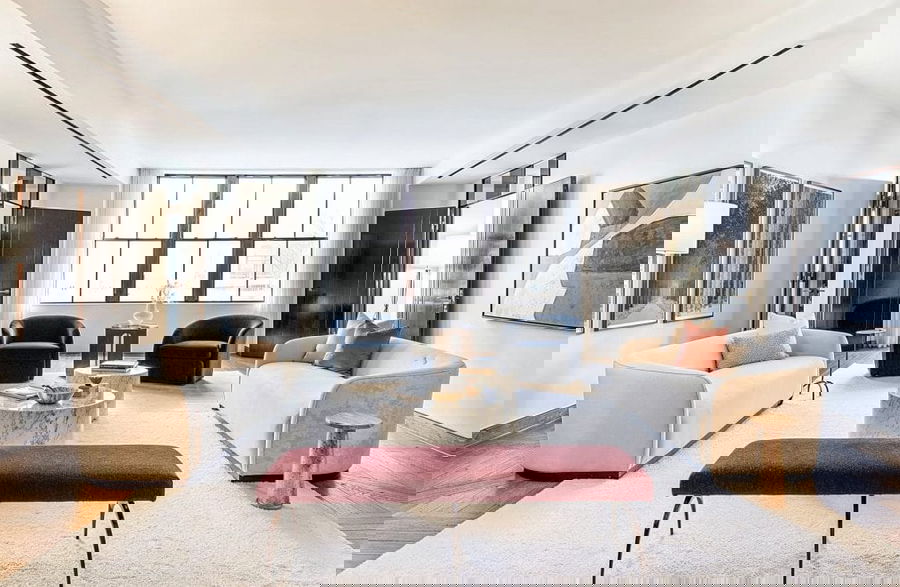
Ever wonder why some homes look refined without trying too hard? That quiet confidence is the heart of old money interior design. Instead of flashy trends, this style focuses on quality, tradition, and spaces that feel collected over time.
What is Old Money Style?
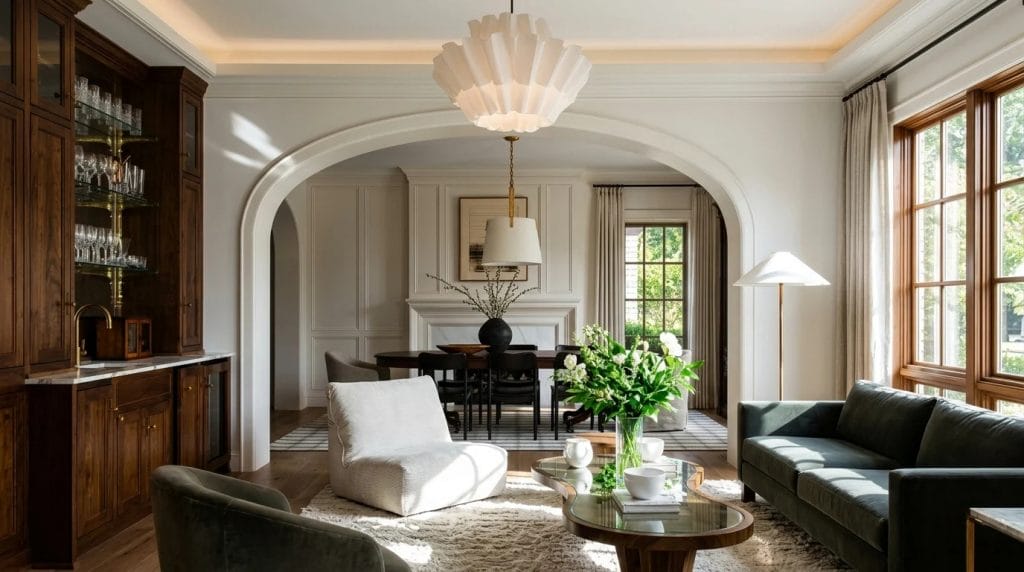
Old money style reflects quiet luxury and interiors that value heritage in design and restraint over showiness. The look often appears in long-established family homes such as historic estates and classic townhouses. However, the idea is not about wealth alone. It is about thoughtful choices that last for decades. In old money interior design, pieces are chosen mainly for their craftsmanship or history.
Another important part of the old money decor style is balance. Artwork, books, and heirlooms sit beside practical items used every day. It’s this mix that makes these elegant interiors feel so natural. Color palettes are also grounded, with muted hues and warm neutrals as a staple.
Pro Tip: Not sure if old money interior design is the best choice for you? Try our Free Interior Design Style Quiz to discover your ideal style today!
Key Characteristics of Old Money Interior Design
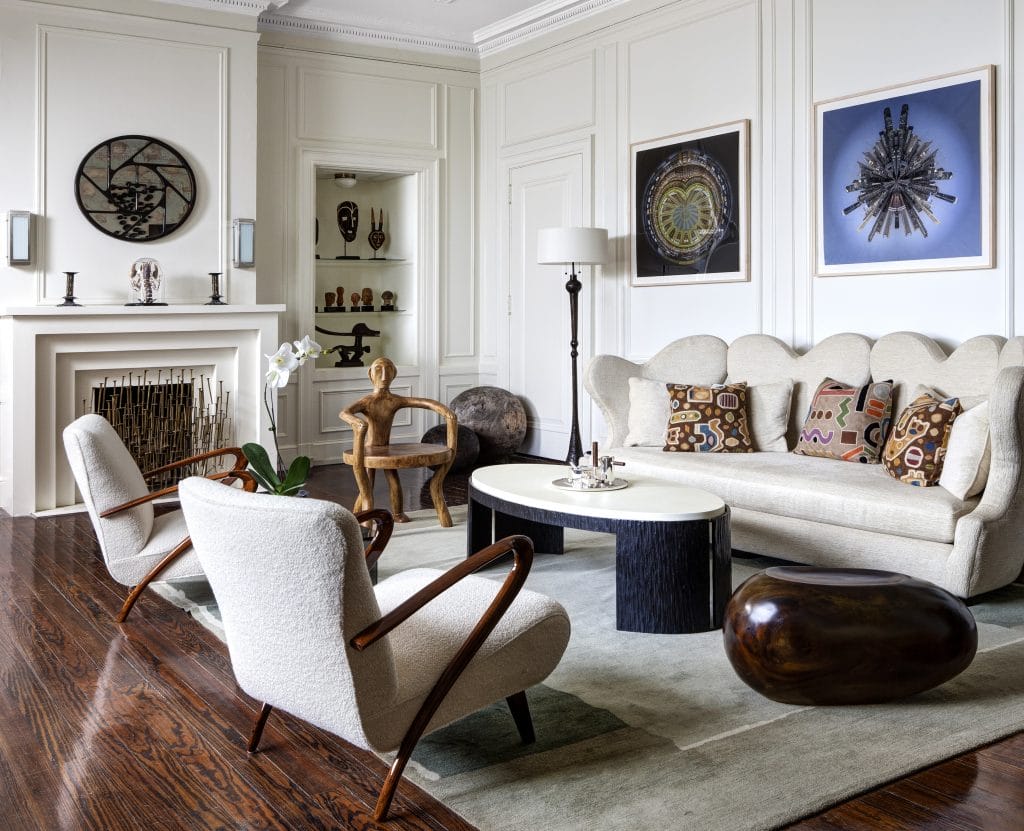
Certain design principles appear often in interiors inspired by old money home decor. While every space is unique, these elements shape the overall look.
- Quality materials with lasting finishes: Solid wood furniture, marble accents, wool rugs, and natural fabrics hold up for years and develop character with age.
- Architectural focus: Crown molding, wall paneling, fireplaces, and built-in cabinetry often form the backbone of an old money interior. These details create quiet refinement before furniture enters the room.
- Understated luxury: In old money style, expensive pieces rarely demand attention. Quality appears through craftsmanship and materials rather than bold display.
- Layered history with cultural influence: Many homes include inherited furniture, travel finds, libraries, and objects with meaning. This layered approach shapes authentic old money home decor.
- Timeless design: The old money style does not chase seasonal styles. Instead, it favors choices that remain relevant long after trends fade.
- Design consistency: Colors, materials, and finishes often repeat across rooms for a cohesive old money interior aesthetic.
How to Achieve Old Money Home Decor Style
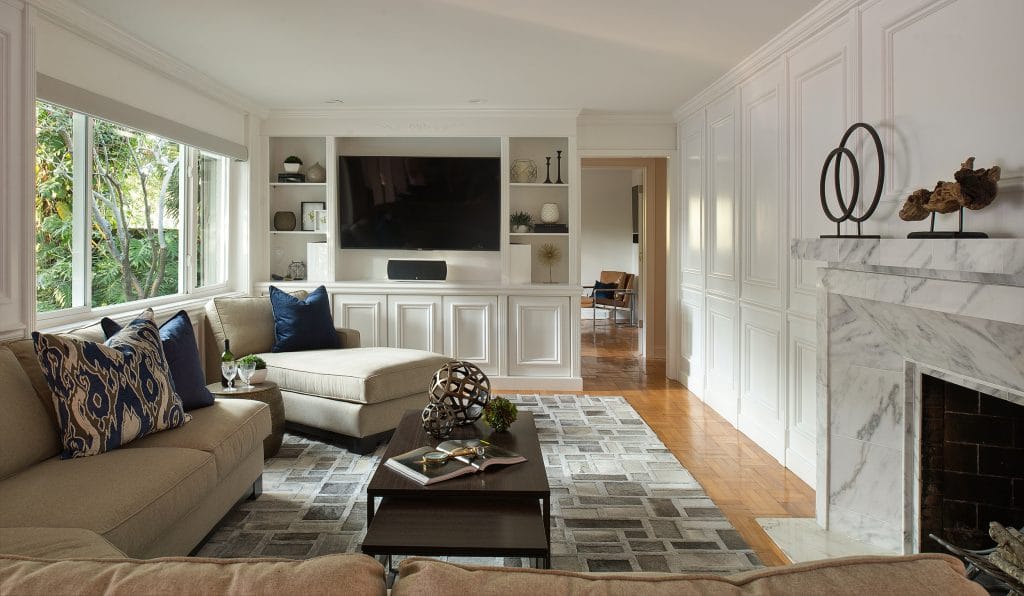
Creating an old money style home does not require a glamorous historic estate. In fact, many of those traditional design ideas can be applied in modern houses and apartments, with or without a twist. The trick is to curate quality pieces that feel timeless.
1. Start with Heritage-Inspired Furniture
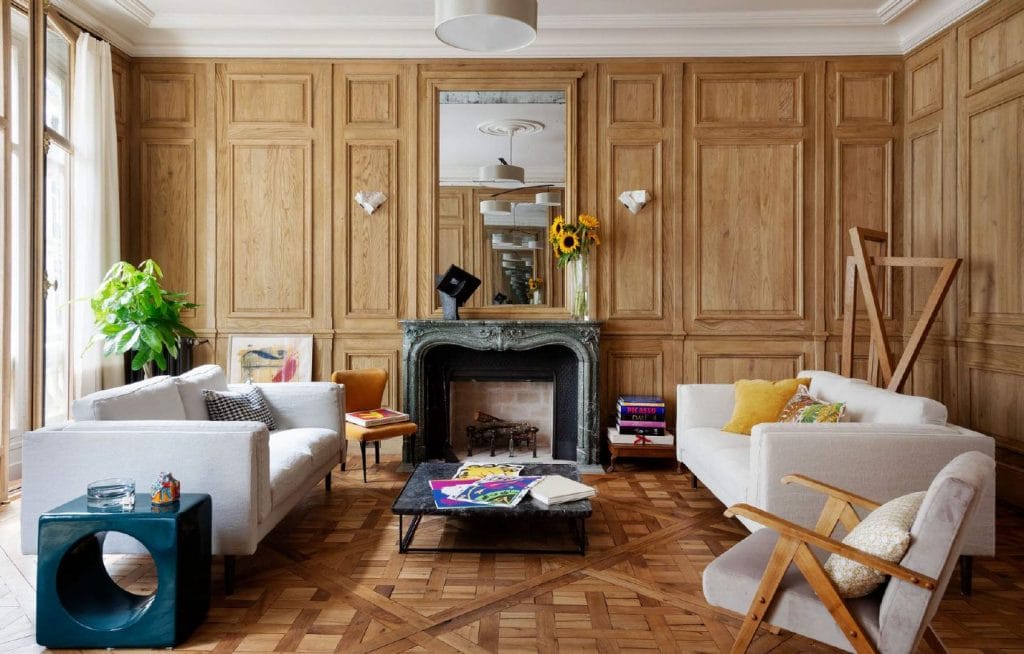
Furniture sets the tone for old money interior design. Instead of buying matching pieces, choose items like you were collecting them over time: a tufted sofa, a carved wooden coffee table, or a classic writing desk. Traditional chairs, such as wingbacks or club chairs, work well with these pieces. Their shapes have remained popular for generations, for a reason.
Wood finishes also matter. Walnut, oak, and mahogany are common choices in old money decor style. Their tones are established and pair well with neutral fabrics. Additionally, embrace thoughtful furniture layouts. Balanced placement tends to follow classic arrangements that support comfortable daily life.
2. Choose Rich but Restrained Color Palettes
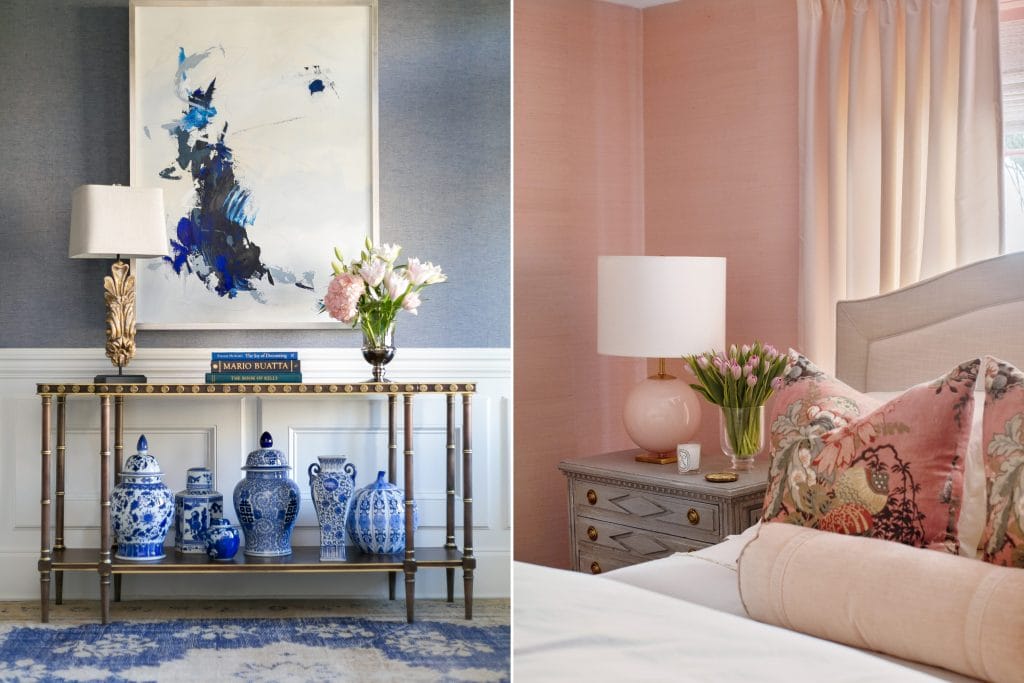
Color choices strongly influence the mood of an old money interior. The palette usually leans toward timeless shades. Deep greens, navy blue, cream, and soft gray are favored picks. These colors work well with wood furniture and traditional artwork.
However, even with neutrals, avoid too many competing colors in one space. Consistency across rooms maintains the upscale look of the entire home.
3. Decorate with Art That Feels Collected
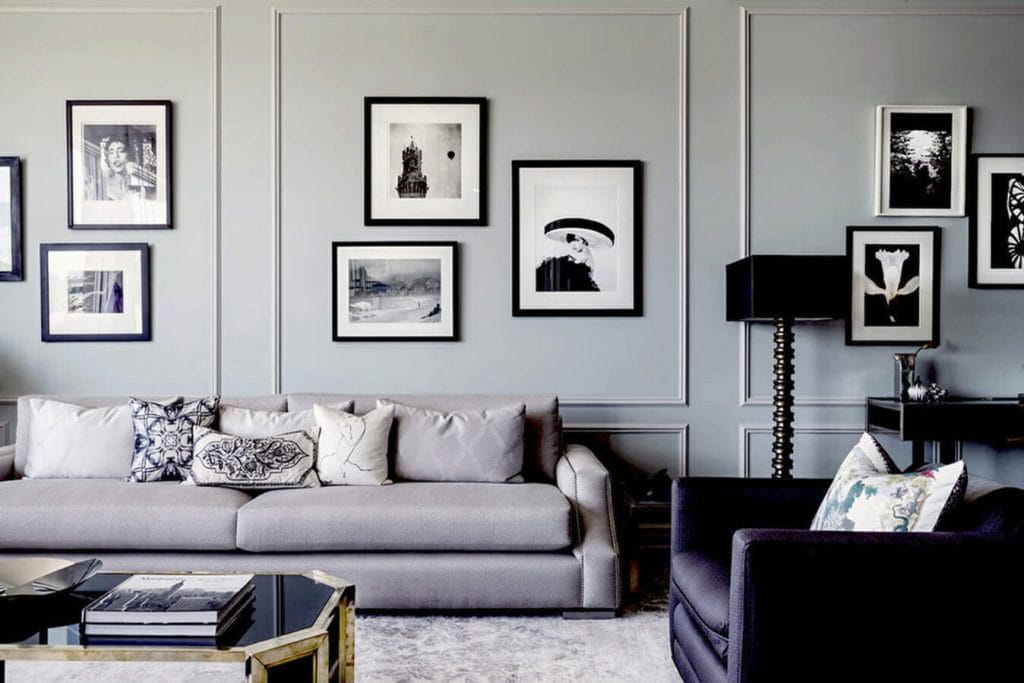
Artwork plays a major role in old money home decor. Instead of oversized statement pieces, display a mix of framed paintings, prints, and sketches. You can also incorporate gallery walls. Frames may vary slightly in style, but often share classic finishes such as gold or dark wood.
Alternatively, place leaning framed art on shelves or mantels. This creates a relaxed arrangement that avoids the look of a perfectly staged display.
4. Add Bookshelves and Personal Libraries
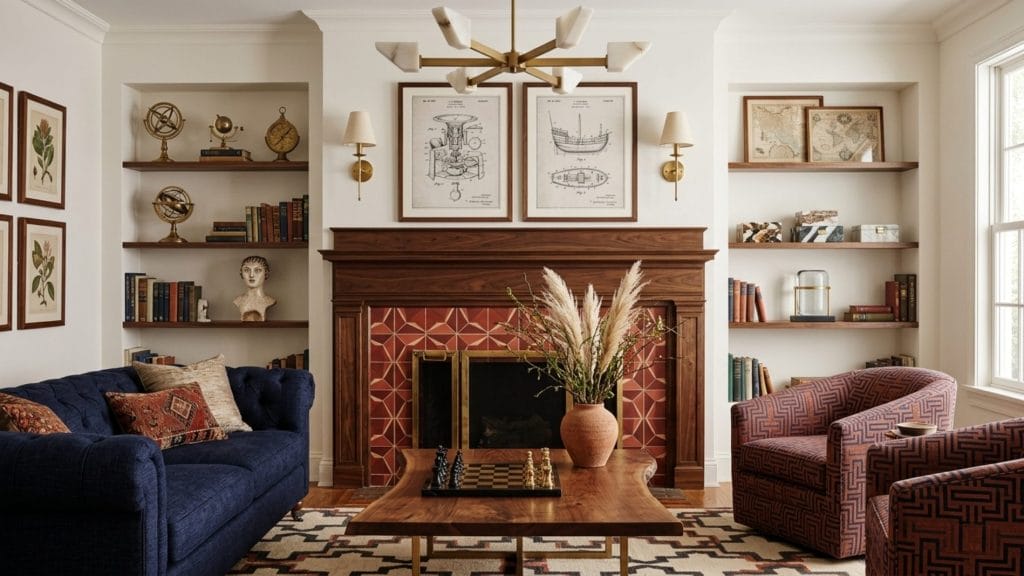
Books are one of the easiest ways to introduce old money decor style into a home. A well-stocked bookshelf immediately speaks volumes, in every meaning of the phrase. Arrange books both vertically and horizontally to create visual balance. In many old money interior design spaces, books also sit beside small sculptures, framed photos, or decorative objects.
Built-in shelves are ideal, but freestanding bookcases work just as well. A reading corner can also enhance the atmosphere. A comfortable chair and a table lamp will create a quiet retreat inside the home.
5. Layer Traditional Textiles
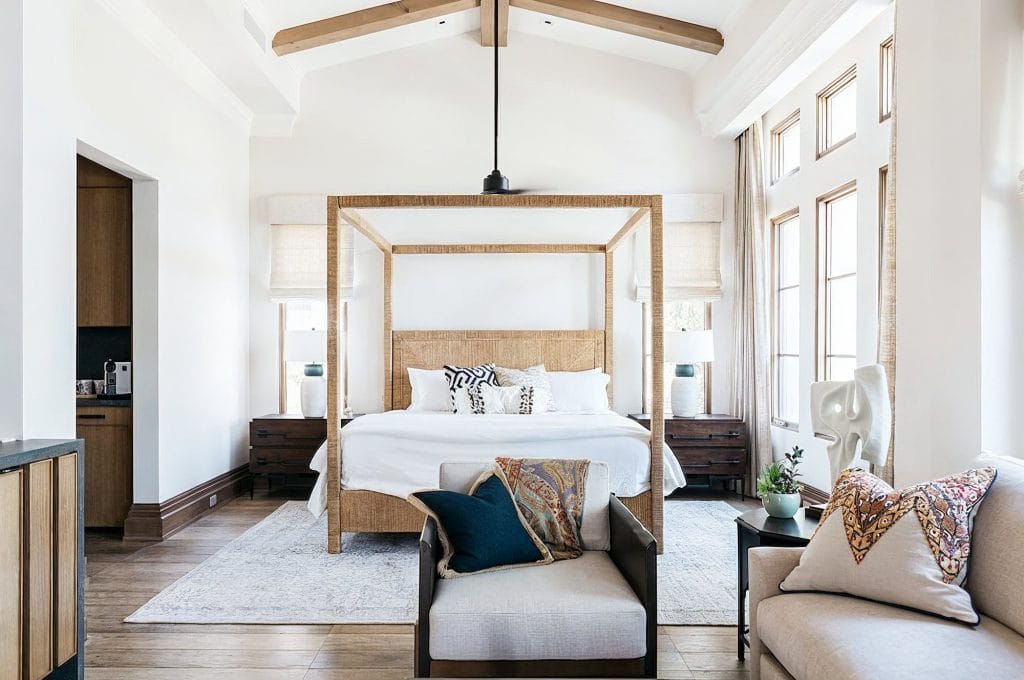
Textiles play a special role in old money home decor, and it’s essential to choose fabrics that lean more classic than trendy. Timeless Persian-style rugs often appear in living rooms and bedroom spaces. Curtains should also feel substantial. Floor-length drapes in neutral fabrics help frame windows and soften the room.
For upholstery, linen, silk, velvet, and cotton blends work well. These textile layers can make an old-money style bedroom feel comfortable even if you go for a minimalist look.
6. Prioritize Soft, Layered Lighting
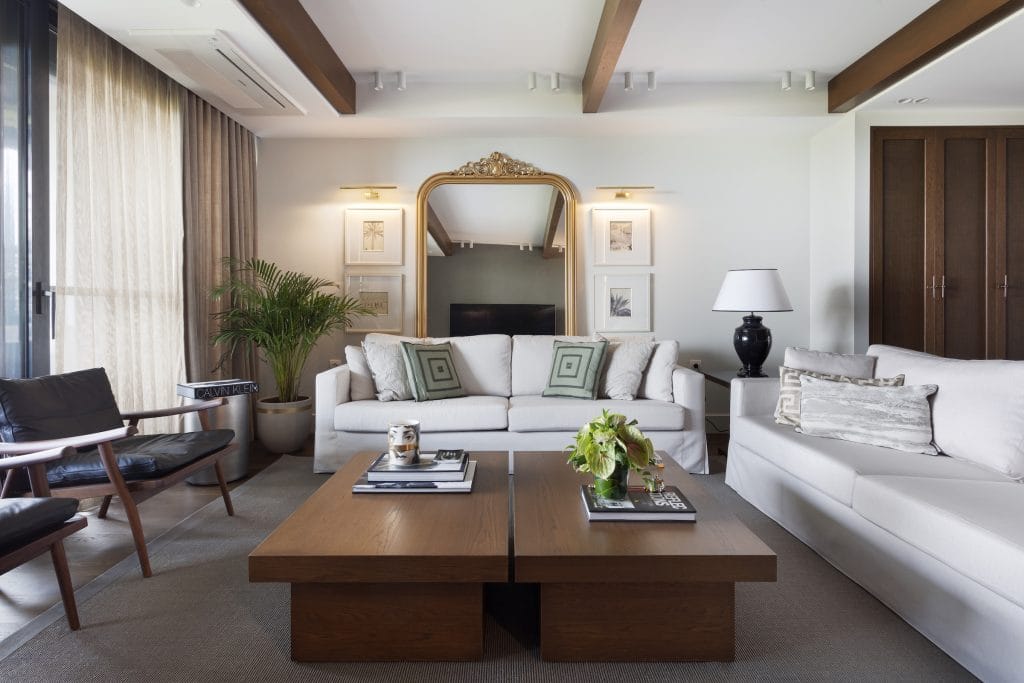
In old money interior design loves soft lighting sources are layered within the room. Table lamps, wall sconces, and shaded floor lamps all have their places in these layouts. For inspiration, look at those old money style homes with lamps on almost all surfaces, from walls to consoles.
Choose traditional lamp bases made of brass, ceramic, or stone, combined with fabric shades that soften the glow. This reflects well the restraint of old money home decor, where lighting is substantial but never dramatic.
Ready for an old money interior design makeover?
Work with an expert designer for help recreating this refined look to perfection. Book your Free Online Interior Design Consultation to start your project today!

Comments